Architekt
Ictinus
500 BC - obecnie
PL.WIKIPEDIA PAGE VIEWS (PV)

 Ictinus
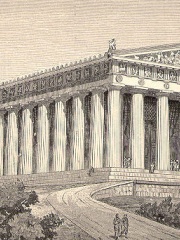
Iktinos, Ἰκτῖνος, łac. Ictinus (V wiek p.n.e.) – jeden z najwybitniejszych architektów greckich okresu klasycznego. Wraz z Fidiaszem i Kallikratesem był twórcą ateńskiej świątyni patronki miasta – Ateny Partenos, powstałej w latach 447-432 p.n.e. na miejscu starszego sanktuarium bogini, tzw. Czytaj więcej w Wikipedii
His biography is available in 38 different languages on Wikipedia (up from 37 in 2024). Ictinus is the 38th most popular architekt (down from 34th in 2024), the 127th most popular biography from Greece (down from 114th in 2019) and the most popular Greek Architekt.
Ictinus is most famous for designing the Parthenon.
Memorability Metrics
Page views of Ictinus by language
Among Architekts
Among architekts, Ictinus ranks 38 out of 518. Before him are Carlo Maderno, Henry van de Velde, Rem Koolhaas, I. M. Pei, Eugène Viollet-le-Duc, and Peter Behrens. After him are Jørn Utzon, Hippodamus of Miletus, Tadao Ando, Vladimir Tatlin, Kenzō Tange, and Giacomo Barozzi da Vignola.
Most Popular Architekts in Wikipedia
Go to all Rankings
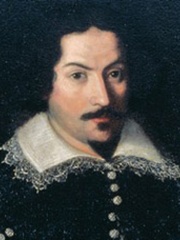
Carlo Maderno
1556 - 1629
HPI: 73.83
Rank: 32
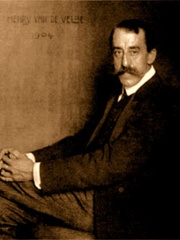
Henry van de Velde
1863 - 1957
HPI: 73.41
Rank: 33
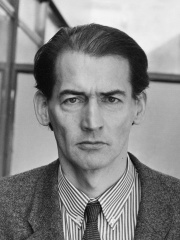
Rem Koolhaas
1944 - Present
HPI: 73.19
Rank: 34
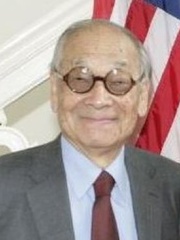
I. M. Pei
1917 - 2019
HPI: 73.13
Rank: 35
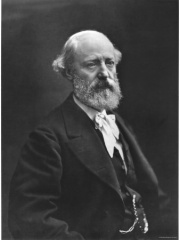
Eugène Viollet-le-Duc
1814 - 1879
HPI: 73.10
Rank: 36
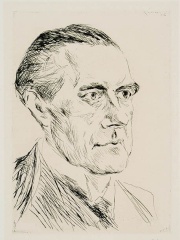
Peter Behrens
1868 - 1940
HPI: 72.86
Rank: 37
Ictinus
500 BC - Present
HPI: 72.84
Rank: 38
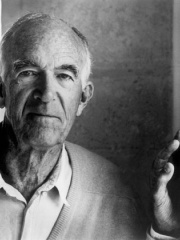
Jørn Utzon
1918 - 2008
HPI: 72.53
Rank: 39
Hippodamus of Miletus
498 BC - 408 BC
HPI: 72.46
Rank: 40
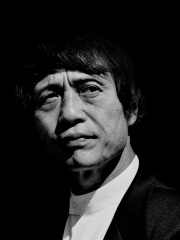
Tadao Ando
1941 - Present
HPI: 72.31
Rank: 41
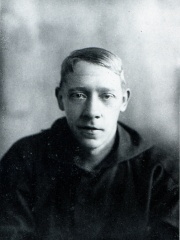
Vladimir Tatlin
1885 - 1953
HPI: 72.24
Rank: 42
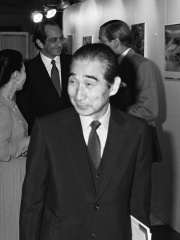
Kenzō Tange
1913 - 2005
HPI: 72.09
Rank: 43
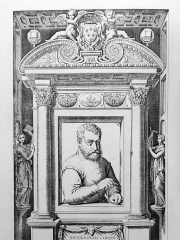
Giacomo Barozzi da Vignola
1507 - 1573
HPI: 72.02
Rank: 44

Contemporaries
Among people born in 500 BC, Ictinus ranks 13. Before him are Xerxes II of Persia, Brennus, Zeuxis, Artemisia I of Caria, Ajatashatru, and Myron. After him are Cyrus the Younger, Cratylus, Sogdianus of Persia, Meton of Athens, Pleistarchus, and Brasidas.
Others Born in 500 BC
Go to all Rankings
Xerxes II of Persia
POLITICIAN
500 BC - 424 BC
HPI: 77.43
Rank: 7
Brennus
POLITICIAN
500 BC - 390 BC
HPI: 75.70
Rank: 8
Zeuxis
PAINTER
500 BC - 400 BC
HPI: 74.74
Rank: 9
Artemisia I of Caria
POLITICIAN
500 BC - 500 BC
HPI: 74.58
Rank: 10
Ajatashatru
POLITICIAN
500 BC - 460 BC
HPI: 74.51
Rank: 11
Myron
SCULPTOR
500 BC - 500 BC
HPI: 74.09
Rank: 12
Ictinus
ARCHITECT
500 BC - Present
HPI: 72.84
Rank: 13
Cyrus the Younger
POLITICIAN
500 BC - 401 BC
HPI: 72.58
Rank: 14

Cratylus
PHILOSOPHER
500 BC - Present
HPI: 72.22
Rank: 15
Sogdianus of Persia
POLITICIAN
500 BC - 423 BC
HPI: 71.17
Rank: 16

Meton of Athens
MATHEMATICIAN
500 BC - 460 BC
HPI: 69.92
Rank: 17
Pleistarchus
POLITICIAN
500 BC - 458 BC
HPI: 69.76
Rank: 18
Brasidas
POLITICIAN
500 BC - 422 BC
HPI: 69.63
Rank: 19
In Greece
Among people born in Greece, Ictinus ranks 127 out of 1,024. Before him are Philomena (291), Quintus Curtius Rufus (41), Demetrius of Phalerum (-350), Scopas (-395), Phaedrus (-20), and Lysias (-445). After him are Necho II (-625), Katerina Sakellaropoulou (1956), Pittacus of Mytilene (-650), Nestor (null), Matthew Kantakouzenos (1325), and Antiphon (-480).
Others born in Greece
Go to all Rankings
Philomena
RELIGIOUS FIGURE
291 - 304
HPI: 73.04
Rank: 121
Quintus Curtius Rufus
HISTORIAN
41 - 53
HPI: 72.96
Rank: 122
Demetrius of Phalerum
PUBLIC WORKER
350 BC - 282 BC
HPI: 72.94
Rank: 123
Scopas
SCULPTOR
395 BC - 350 BC
HPI: 72.92
Rank: 124
Phaedrus
WRITER
20 BC - 50
HPI: 72.90
Rank: 125
Lysias
WRITER
445 BC - 380 BC
HPI: 72.87
Rank: 126
Ictinus
ARCHITECT
500 BC - Present
HPI: 72.84
Rank: 127
Necho II
POLITICIAN
625 BC - 595 BC
HPI: 72.82
Rank: 128

Katerina Sakellaropoulou
POLITICIAN
1956 - Present
HPI: 72.81
Rank: 129
Pittacus of Mytilene
MILITARY PERSONNEL
650 BC - 570 BC
HPI: 72.77
Rank: 130
Nestor
POLITICIAN
HPI: 72.73
Rank: 131
Matthew Kantakouzenos
POLITICIAN
1325 - 1383
HPI: 72.73
Rank: 132
Antiphon
POLITICIAN
480 BC - 411 BC
HPI: 72.65
Rank: 133
Among Architekts In Greece
Among architekts born in Greece, Ictinus ranks 1. After him are Callicrates (-470), Mnesikles (-500), Dinocrates (-400), Aristobulus of Cassandreia (-375), Callimachus (-500), and Anastasios Metaxas (1862).
Ictinus
500 BC - Present
HPI: 72.84
Rank: 1
Callicrates
470 BC - 420 BC
HPI: 71.98
Rank: 2

Mnesikles
500 BC - 460 BC
HPI: 68.38
Rank: 3

Dinocrates
400 BC - 360 BC
HPI: 64.98
Rank: 4

Aristobulus of Cassandreia
375 BC - 301 BC
HPI: 63.69
Rank: 5
Callimachus
500 BC - 460 BC
HPI: 62.79
Rank: 6
Anastasios Metaxas
1862 - 1937
HPI: 56.90
Rank: 7