Polityk
Goh Chok Tong
1941 - obecnie
PL.WIKIPEDIA PAGE VIEWS (PV)
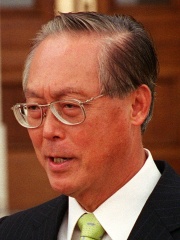
 Goh Chok Tong
Goh Chok Tong (chiń. upr. 吴作栋; chiń. trad. Czytaj więcej w Wikipedii
His biography is available in 48 different languages on Wikipedia (up from 44 in 2024). Goh Chok Tong is the 6,226th most popular polityk (down from 5,274th in 2024), the 8th most popular biography from Singapore (down from 5th in 2019) and the 8th most popular Singaporean Polityk.
Memorability Metrics
Page views of Goh Chok Tong by language
Among Polityks
Among polityks, Goh Chok Tong ranks 6,226 out of 19,576. Before him are Al-Mustakfi, Aziz Akhannouch, Infanta Benedita of Portugal, Lucius Mummius Achaicus, Harvey Milk, and En-anna-tum I. After him are Juan María Bordaberry, Hisham III of Córdoba, Barthélemy Boganda, John Henry, Margrave of Moravia, Einar Gerhardsen, and Princess Maria of Greece and Denmark.
Most Popular Polityks in Wikipedia
Go to all Rankings
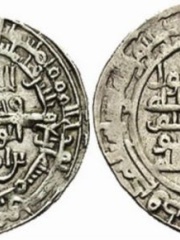
Al-Mustakfi
905 - 949
HPI: 65.03
Rank: 6,222
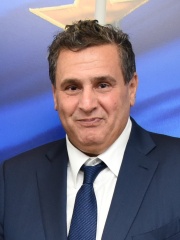
Aziz Akhannouch
1961 - Present
HPI: 65.03
Rank: 6,223
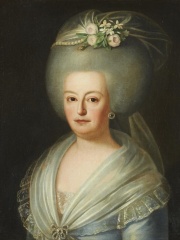
Infanta Benedita of Portugal
1746 - 1829
HPI: 65.03
Rank: 6,224
Lucius Mummius Achaicus
190 BC - 200 BC
HPI: 65.03
Rank: 6,225
Harvey Milk
1930 - 1978
HPI: 65.03
Rank: 6,226
En-anna-tum I
2500 BC - 2500 BC
HPI: 65.03
Rank: 6,227
Goh Chok Tong
1941 - Present
HPI: 65.03
Rank: 6,228
Juan María Bordaberry
1928 - 2011
HPI: 65.03
Rank: 6,229

Hisham III of Córdoba
975 - 1036
HPI: 65.03
Rank: 6,230
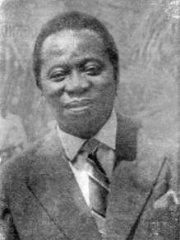
Barthélemy Boganda
1910 - 1959
HPI: 65.03
Rank: 6,231
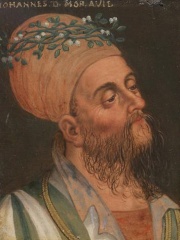
John Henry, Margrave of Moravia
1322 - 1375
HPI: 65.03
Rank: 6,232
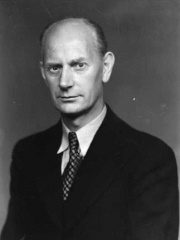
Einar Gerhardsen
1897 - 1987
HPI: 65.02
Rank: 6,233
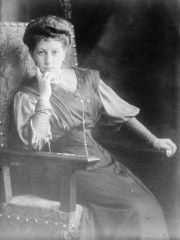
Princess Maria of Greece and Denmark
1876 - 1940
HPI: 65.02
Rank: 6,234

Contemporaries
Among people born in 1941, Goh Chok Tong ranks 141. Before him are Roger Lemerre, Ahmed Shafik, David Warner, Stacy Keach, Senta Berger, and Suzanne Mubarak. After him are Barbara Brylska, ʻAkilisi Pōhiva, G. A. Cohen, Dan Shechtman, David Hemmings, and Robert Wilson.
Others Born in 1941
Go to all Rankings
Roger Lemerre
COACH
1941 - Present
HPI: 65.44
Rank: 135
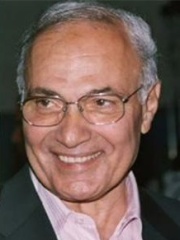
Ahmed Shafik
POLITICIAN
1941 - Present
HPI: 65.31
Rank: 136
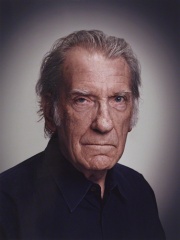
David Warner
ACTOR
1941 - 2022
HPI: 65.29
Rank: 137
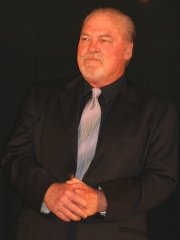
Stacy Keach
ACTOR
1941 - Present
HPI: 65.28
Rank: 138
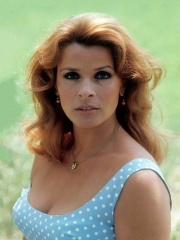
Senta Berger
ACTOR
1941 - Present
HPI: 65.17
Rank: 139
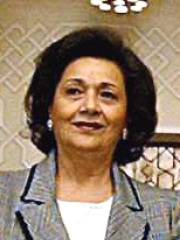
Suzanne Mubarak
COMPANION
1941 - Present
HPI: 65.05
Rank: 140
Goh Chok Tong
POLITICIAN
1941 - Present
HPI: 65.03
Rank: 141
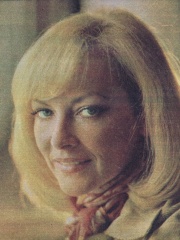
Barbara Brylska
ACTOR
1941 - Present
HPI: 65.02
Rank: 142
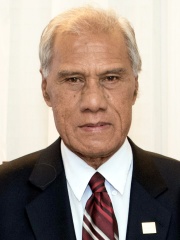
ʻAkilisi Pōhiva
POLITICIAN
1941 - 2019
HPI: 64.85
Rank: 143
G. A. Cohen
PHILOSOPHER
1941 - 2009
HPI: 64.80
Rank: 144
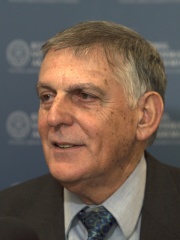
Dan Shechtman
CHEMIST
1941 - Present
HPI: 64.74
Rank: 145
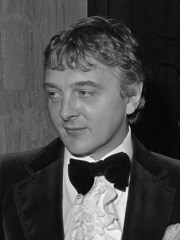
David Hemmings
ACTOR
1941 - 2003
HPI: 64.66
Rank: 146
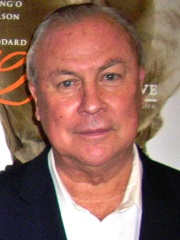
Robert Wilson
WRITER
1941 - 2025
HPI: 64.61
Rank: 147
In Singapore
Among people born in Singapore, Goh Chok Tong ranks 8 out of 42. Before him are S. R. Nathan (1924), Tony Tan (1940), Halimah Yacob (1954), Benjamin Sheares (1907), Lee Hsien Loong (1952), and Parameswara (1344). After him are Tharman Shanmugaratnam (1957), David Marshall (1908), Julia Nickson (1958), Vanessa-Mae (1978), Wee Kim Wee (1915), and Abu Bakar of Johor (1833).
Others born in Singapore
Go to all Rankings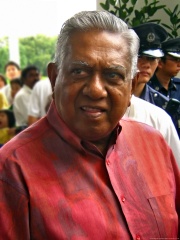
S. R. Nathan
POLITICIAN
1924 - 2016
HPI: 72.59
Rank: 2
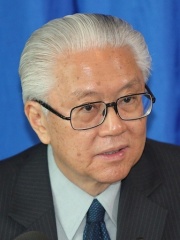
Tony Tan
POLITICIAN
1940 - Present
HPI: 72.37
Rank: 3
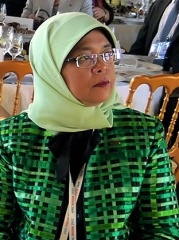
Halimah Yacob
POLITICIAN
1954 - Present
HPI: 68.11
Rank: 4
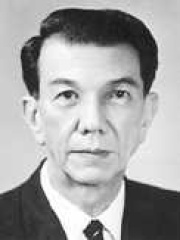
Benjamin Sheares
POLITICIAN
1907 - 1981
HPI: 67.29
Rank: 5
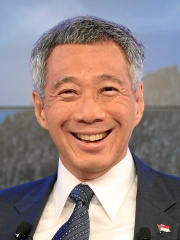
Lee Hsien Loong
POLITICIAN
1952 - Present
HPI: 67.14
Rank: 6
Parameswara
POLITICIAN
1344 - 1414
HPI: 65.39
Rank: 7
Goh Chok Tong
POLITICIAN
1941 - Present
HPI: 65.03
Rank: 8

Tharman Shanmugaratnam
POLITICIAN
1957 - Present
HPI: 63.04
Rank: 9
David Marshall
POLITICIAN
1908 - 1995
HPI: 61.69
Rank: 10
Julia Nickson
ACTOR
1958 - Present
HPI: 61.33
Rank: 11
Vanessa-Mae
MUSICIAN
1978 - Present
HPI: 60.03
Rank: 12
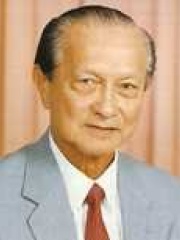
Wee Kim Wee
POLITICIAN
1915 - 2005
HPI: 59.79
Rank: 13
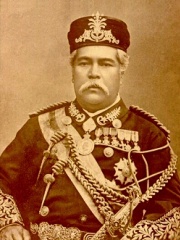
Abu Bakar of Johor
POLITICIAN
1833 - 1895
HPI: 58.60
Rank: 14
Among Polityks In Singapore
Among polityks born in Singapore, Goh Chok Tong ranks 8. Before him are S. R. Nathan (1924), Tony Tan (1940), Halimah Yacob (1954), Benjamin Sheares (1907), Lee Hsien Loong (1952), and Parameswara (1344). After him are Tharman Shanmugaratnam (1957), David Marshall (1908), Wee Kim Wee (1915), Abu Bakar of Johor (1833), Wan Azizah Wan Ismail (1952), and Ho Ching (1953).
S. R. Nathan
1924 - 2016
HPI: 72.59
Rank: 2
Tony Tan
1940 - Present
HPI: 72.37
Rank: 3
Halimah Yacob
1954 - Present
HPI: 68.11
Rank: 4
Benjamin Sheares
1907 - 1981
HPI: 67.29
Rank: 5
Lee Hsien Loong
1952 - Present
HPI: 67.14
Rank: 6
Parameswara
1344 - 1414
HPI: 65.39
Rank: 7
Goh Chok Tong
1941 - Present
HPI: 65.03
Rank: 8
Tharman Shanmugaratnam
1957 - Present
HPI: 63.04
Rank: 9
David Marshall
1908 - 1995
HPI: 61.69
Rank: 10
Wee Kim Wee
1915 - 2005
HPI: 59.79
Rank: 11
Abu Bakar of Johor
1833 - 1895
HPI: 58.60
Rank: 12
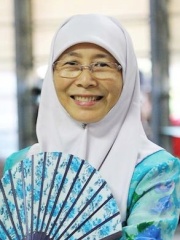
Wan Azizah Wan Ismail
1952 - Present
HPI: 58.14
Rank: 13
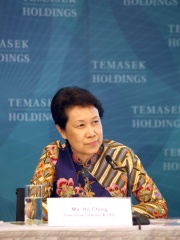
Ho Ching
1953 - Present
HPI: 57.18
Rank: 14




