Malarz
Giotto
1267 - 1337
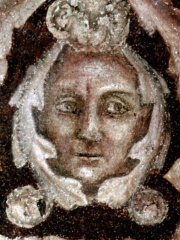
 Giotto
Giotto di Bondone, właśc. Angiolo di Bondone, zdrobniale Angiolotto (ur. ok. 1266, zm. Czytaj więcej w Wikipedii
His biography is available in 90 different languages on Wikipedia (up from 89 in 2024). Giotto is the 22nd most popular malarz (up from 36th in 2024), the 49th most popular biography from Italy (up from 78th in 2019) and the 5th most popular Italian Malarz.
Giotto is most famous for his frescoes in the Arena Chapel in Padua, Italy.
Memorability Metrics
Page views of Giotto by language
Among Malarzs
Among malarzs, Giotto ranks 22 out of 2,023. Before him are Diego Velázquez, Henri Matisse, Pierre-Auguste Renoir, Jean-Auguste-Dominique Ingres, Paul Cézanne, and Paul Gauguin. After him are Donatello, Titian, Gustav Klimt, El Greco, Wassily Kandinsky, and Piet Mondrian.
Most Popular Malarzs in Wikipedia
Go to all Rankings
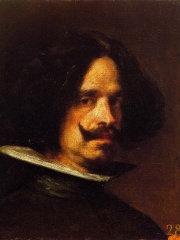
Diego Velázquez
1599 - 1660
HPI: 86.97
Rank: 16
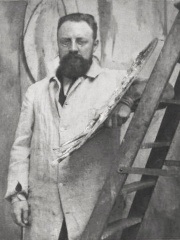
Henri Matisse
1869 - 1954
HPI: 86.28
Rank: 17
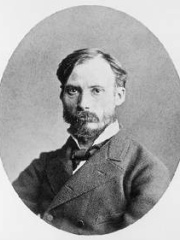
Pierre-Auguste Renoir
1841 - 1919
HPI: 86.02
Rank: 18
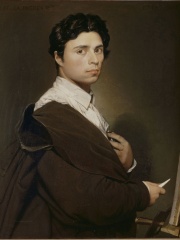
Jean-Auguste-Dominique Ingres
1780 - 1867
HPI: 85.42
Rank: 19
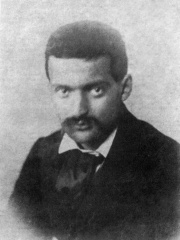
Paul Cézanne
1839 - 1906
HPI: 85.32
Rank: 20
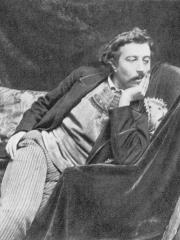
Paul Gauguin
1848 - 1903
HPI: 85.15
Rank: 21
Giotto
1267 - 1337
HPI: 85.03
Rank: 22
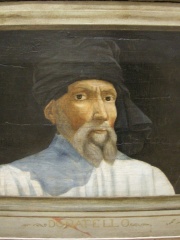
Donatello
1386 - 1466
HPI: 84.83
Rank: 23
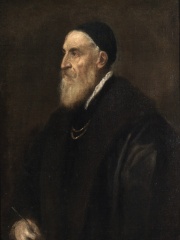
Titian
1488 - 1576
HPI: 84.62
Rank: 24
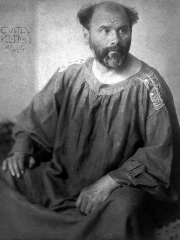
Gustav Klimt
1862 - 1918
HPI: 84.52
Rank: 25
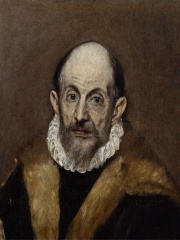
El Greco
1541 - 1614
HPI: 84.26
Rank: 26
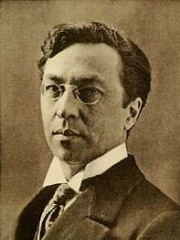
Wassily Kandinsky
1866 - 1944
HPI: 84.16
Rank: 27
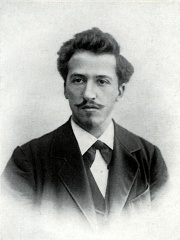
Piet Mondrian
1872 - 1944
HPI: 84.15
Rank: 28

Contemporaries
Among people born in 1267, Giotto ranks 1. After him are James II of Aragon, Roger de Flor, Rainier I of Monaco, Lord of Cagnes, Emperor Go-Uda, and Henry I, Duke of Brunswick-Grubenhagen. Among people deceased in 1337, Giotto ranks 2. Before him is Musa I of Mali. After him are Frederick III of Sicily, William I, Count of Hainaut, and Tino di Camaino.
Others Born in 1267
Go to all RankingsGiotto
PAINTER
1267 - 1337
HPI: 85.03
Rank: 1
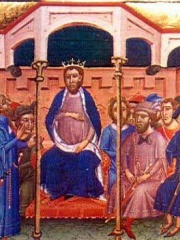
James II of Aragon
POLITICIAN
1267 - 1327
HPI: 72.09
Rank: 2
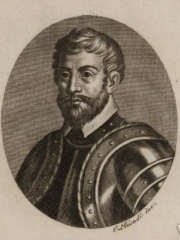
Roger de Flor
MILITARY PERSONNEL
1267 - 1305
HPI: 69.59
Rank: 3
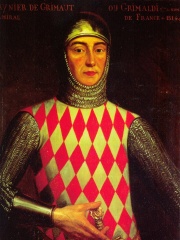
Rainier I of Monaco, Lord of Cagnes
POLITICIAN
1267 - 1314
HPI: 67.32
Rank: 4
Emperor Go-Uda
POLITICIAN
1267 - 1324
HPI: 66.53
Rank: 5

Henry I, Duke of Brunswick-Grubenhagen
NOBLEMAN
1267 - 1322
HPI: 61.56
Rank: 6
Others Deceased in 1337
Go to all Rankings
Musa I of Mali
POLITICIAN
1280 - 1337
HPI: 87.24
Rank: 1
Giotto
PAINTER
1267 - 1337
HPI: 85.03
Rank: 2
Frederick III of Sicily
POLITICIAN
1272 - 1337
HPI: 71.24
Rank: 3
William I, Count of Hainaut
POLITICIAN
1287 - 1337
HPI: 65.92
Rank: 4
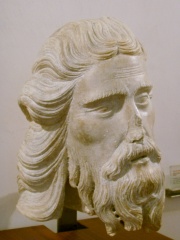
Tino di Camaino
SCULPTOR
1285 - 1337
HPI: 58.95
Rank: 5
In Italy
Among people born in Italy, Giotto ranks 49 out of 5,161. Before him are Pope Benedict XV (1854), Giacomo Puccini (1858), Alessandro Volta (1745), Brutus the Younger (-85), Ötzi (-3345), and Pope Urban VII (1521). After him are Pope Clement VII (1478), Juan Carlos I of Spain (1938), Donatello (1386), Tiberius (-42), Horace (-65), and Pope Gregory XVI (1765).
Others born in Italy
Go to all Rankings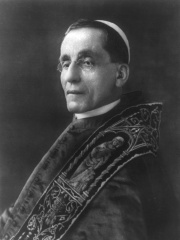
Pope Benedict XV
RELIGIOUS FIGURE
1854 - 1922
HPI: 85.96
Rank: 43
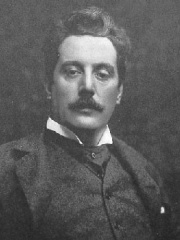
Giacomo Puccini
COMPOSER
1858 - 1924
HPI: 85.72
Rank: 44
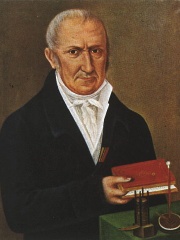
Alessandro Volta
PHYSICIST
1745 - 1827
HPI: 85.34
Rank: 45
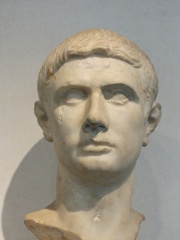
Brutus the Younger
POLITICIAN
85 BC - 42 BC
HPI: 85.32
Rank: 46
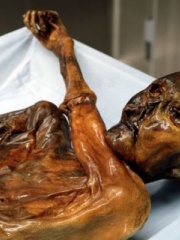
Ötzi
CELEBRITY
3345 BC - 3255 BC
HPI: 85.20
Rank: 47
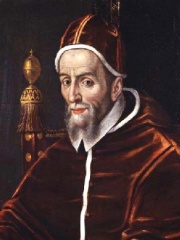
Pope Urban VII
RELIGIOUS FIGURE
1521 - 1590
HPI: 85.06
Rank: 48
Giotto
PAINTER
1267 - 1337
HPI: 85.03
Rank: 49
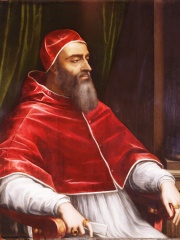
Pope Clement VII
RELIGIOUS FIGURE
1478 - 1534
HPI: 84.95
Rank: 50
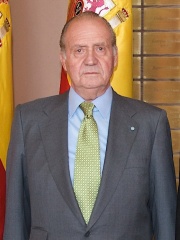
Juan Carlos I of Spain
NOBLEMAN
1938 - Present
HPI: 84.83
Rank: 51
Donatello
PAINTER
1386 - 1466
HPI: 84.83
Rank: 52
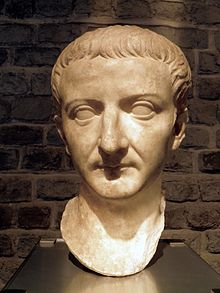
Tiberius
POLITICIAN
42 BC - 37
HPI: 84.83
Rank: 53
Horace
WRITER
65 BC - 8 BC
HPI: 84.80
Rank: 54
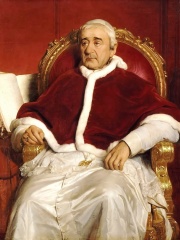
Pope Gregory XVI
RELIGIOUS FIGURE
1765 - 1846
HPI: 84.71
Rank: 55
Among Malarzs In Italy
Among malarzs born in Italy, Giotto ranks 5. Before him are Michelangelo (1475), Raphael (1483), Caravaggio (1571), and Sandro Botticelli (1445). After him are Donatello (1386), Titian (1488), Amedeo Modigliani (1884), Masaccio (1401), Tintoretto (1518), Paolo Veronese (1528), and Giuseppe Arcimboldo (1526).
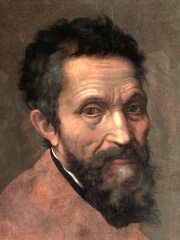
Michelangelo
1475 - 1564
HPI: 93.54
Rank: 1
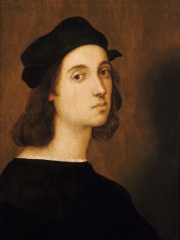
Raphael
1483 - 1520
HPI: 90.99
Rank: 2
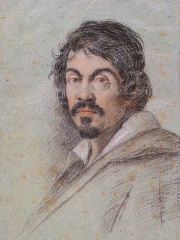
Caravaggio
1571 - 1610
HPI: 87.57
Rank: 3
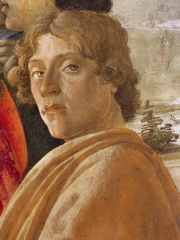
Sandro Botticelli
1445 - 1510
HPI: 87.24
Rank: 4
Giotto
1267 - 1337
HPI: 85.03
Rank: 5
Donatello
1386 - 1466
HPI: 84.83
Rank: 6
Titian
1488 - 1576
HPI: 84.62
Rank: 7
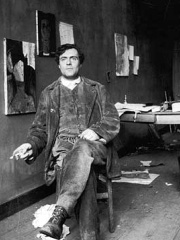
Amedeo Modigliani
1884 - 1920
HPI: 82.99
Rank: 8
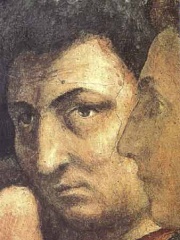
Masaccio
1401 - 1428
HPI: 82.16
Rank: 9
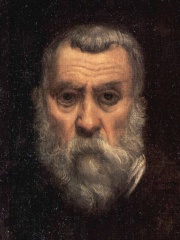
Tintoretto
1518 - 1594
HPI: 81.96
Rank: 10
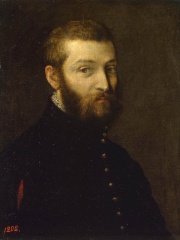
Paolo Veronese
1528 - 1588
HPI: 81.44
Rank: 11
Giuseppe Arcimboldo
1526 - 1593
HPI: 80.96
Rank: 12