Fizyk
Gerd Binnig
1947 - obecnie
PL.WIKIPEDIA PAGE VIEWS (PV)
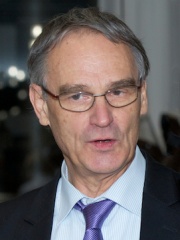
 Gerd Binnig
Gerd Binnig (ur. 20 lipca 1947 we Frankfurcie nad Menem) – niemiecki fizyk, noblista. Wynalazca skaningowego mikroskopu tunelowego oraz mikroskopu sił atomowych. Czytaj więcej w Wikipedii
Jego biografia jest dostępna w 72 różnych językach w Wikipedii. Gerd Binnig jest 165. najpopularniejszym fizyk (wzrost z 167. w 2024 roku), 425. najpopularniejszą biografią Niemcy (wzrost z 563. w 2019 roku) oraz 25. najpopularniejszym fizyk Niemcy.
Memorability Metrics
Page views of Gerd Binnig by language
Among Fizyks
Among fizyks, Gerd Binnig ranks 165 out of 851. Before him are Hans Georg Dehmelt, Johann Jakob Balmer, Joseph Henry, Hippolyte Fizeau, Augustin-Jean Fresnel, and Georges Charpak. After him are Ernst Abbe, Paul Langevin, Hideki Yukawa, François Englert, George E. Smith, and Polykarp Kusch.
Most Popular Fizyks in Wikipedia
Go to all Rankings
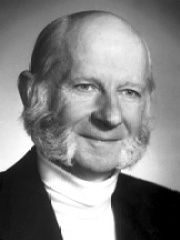
Hans Georg Dehmelt
1922 - 2017
HPI: 73.54
Rank: 159
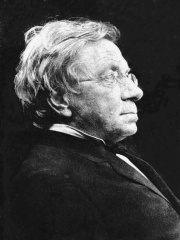
Johann Jakob Balmer
1825 - 1898
HPI: 73.48
Rank: 160
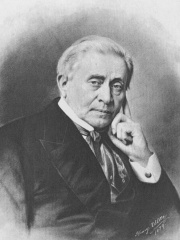
Joseph Henry
1797 - 1878
HPI: 73.46
Rank: 161
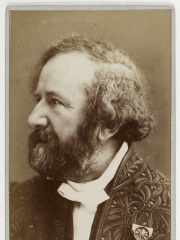
Hippolyte Fizeau
1819 - 1896
HPI: 73.36
Rank: 162
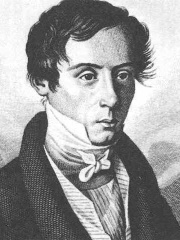
Augustin-Jean Fresnel
1788 - 1827
HPI: 73.35
Rank: 163
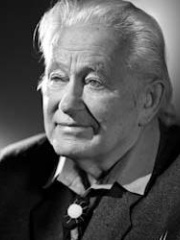
Georges Charpak
1924 - 2010
HPI: 73.25
Rank: 164
Gerd Binnig
1947 - Present
HPI: 73.15
Rank: 165
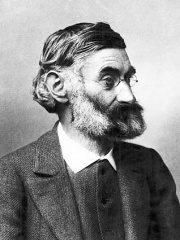
Ernst Abbe
1840 - 1905
HPI: 73.14
Rank: 166
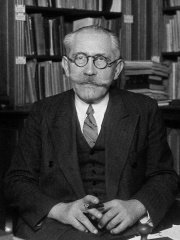
Paul Langevin
1872 - 1946
HPI: 73.08
Rank: 167
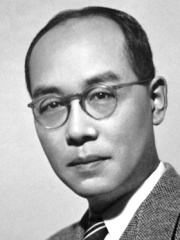
Hideki Yukawa
1907 - 1981
HPI: 73.06
Rank: 168
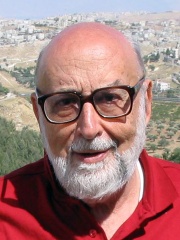
François Englert
1932 - Present
HPI: 73.03
Rank: 169
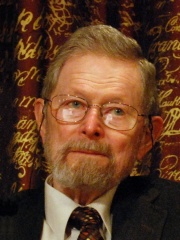
George E. Smith
1930 - 2025
HPI: 72.94
Rank: 170
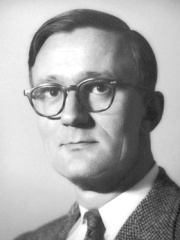
Polykarp Kusch
1911 - 1993
HPI: 72.84
Rank: 171

Contemporaries
Among people born in 1947, Gerd Binnig ranks 31. Before him are Herman Van Rompuy, Glenn Close, Robert Kiyosaki, Ali Abdullah Saleh, Salman Rushdie, and Takeshi Kitano. After him are Françoise Barré-Sinoussi, Paco de Lucía, France Gall, Michael Levitt, Michael Porter, and Josep Borrell.
Others Born in 1947
Go to all Rankings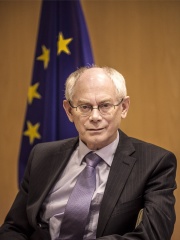
Herman Van Rompuy
POLITICIAN
1947 - Present
HPI: 74.69
Rank: 25
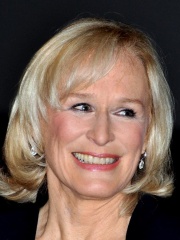
Glenn Close
ACTOR
1947 - Present
HPI: 74.65
Rank: 26

Robert Kiyosaki
BUSINESSPERSON
1947 - Present
HPI: 74.54
Rank: 27
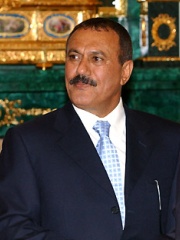
Ali Abdullah Saleh
POLITICIAN
1947 - 2017
HPI: 74.46
Rank: 28
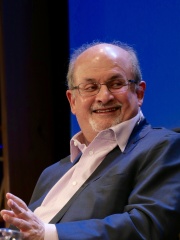
Salman Rushdie
WRITER
1947 - Present
HPI: 74.40
Rank: 29
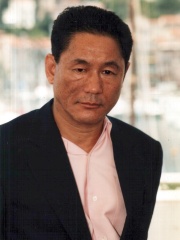
Takeshi Kitano
FILM DIRECTOR
1947 - Present
HPI: 73.76
Rank: 30
Gerd Binnig
PHYSICIST
1947 - Present
HPI: 73.15
Rank: 31
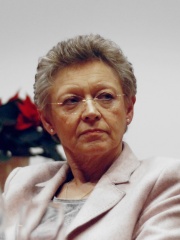
Françoise Barré-Sinoussi
BIOLOGIST
1947 - Present
HPI: 73.09
Rank: 32

Paco de Lucía
MUSICIAN
1947 - 2014
HPI: 73.06
Rank: 33

France Gall
SINGER
1947 - 2018
HPI: 72.97
Rank: 34
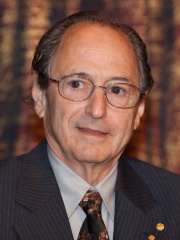
Michael Levitt
CHEMIST
1947 - Present
HPI: 72.94
Rank: 35

Michael Porter
ECONOMIST
1947 - Present
HPI: 72.84
Rank: 36
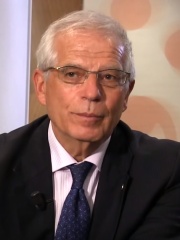
Josep Borrell
POLITICIAN
1947 - Present
HPI: 72.83
Rank: 37
In Niemcy
Among people born in Niemcy, Gerd Binnig ranks 425 out of NaN. Before him are Karl Haushofer (1869), Alexander Grothendieck (1928), Karen Horney (1885), Christian III of Denmark (1503), Friedrich Carl von Savigny (1779), and Emil Nolde (1867). After him are Otto Dix (1891), Levi Strauss (1829), Manfred Eigen (1927), Sepp Maier (1944), Ernst Abbe (1840), and Otto Loewi (1873).
Others born in Niemcy
Go to all Rankings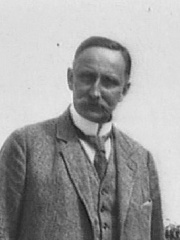
Karl Haushofer
POLITICIAN
1869 - 1946
HPI: 73.28
Rank: 419
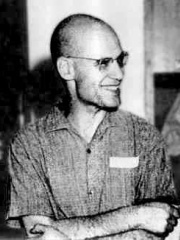
Alexander Grothendieck
MATHEMATICIAN
1928 - 2014
HPI: 73.27
Rank: 420
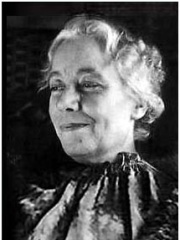
Karen Horney
PSYCHOLOGIST
1885 - 1952
HPI: 73.22
Rank: 421
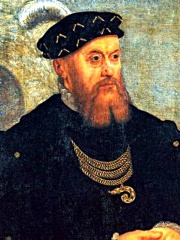
Christian III of Denmark
POLITICIAN
1503 - 1559
HPI: 73.19
Rank: 422
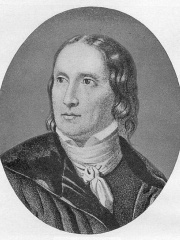
Friedrich Carl von Savigny
HISTORIAN
1779 - 1861
HPI: 73.18
Rank: 423
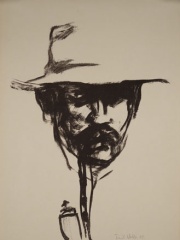
Emil Nolde
PAINTER
1867 - 1956
HPI: 73.18
Rank: 424
Gerd Binnig
PHYSICIST
1947 - Present
HPI: 73.15
Rank: 425
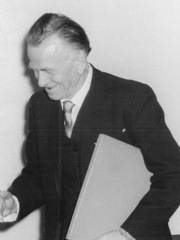
Otto Dix
PAINTER
1891 - 1969
HPI: 73.15
Rank: 426
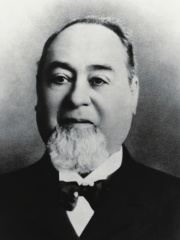
Levi Strauss
BUSINESSPERSON
1829 - 1902
HPI: 73.15
Rank: 427
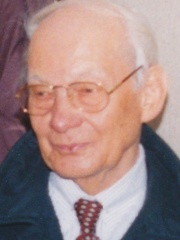
Manfred Eigen
CHEMIST
1927 - 2019
HPI: 73.15
Rank: 428
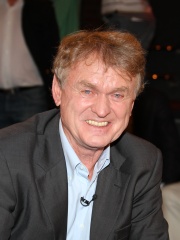
Sepp Maier
COACH
1944 - Present
HPI: 73.14
Rank: 429
Ernst Abbe
PHYSICIST
1840 - 1905
HPI: 73.14
Rank: 430
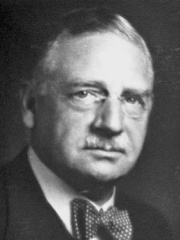
Otto Loewi
PHYSICIAN
1873 - 1961
HPI: 73.11
Rank: 431
Among Fizyks In Niemcy
Among fizyks born in Niemcy, Gerd Binnig ranks 25. Before him are Carl Zeiss (1816), James Franck (1882), Arno Allan Penzias (1933), Rudolf Mössbauer (1929), George Paget Thomson (1892), and Hans Georg Dehmelt (1922). After him are Ernst Abbe (1840), Polykarp Kusch (1911), Julius von Mayer (1814), Herbert Kroemer (1928), Georg Christoph Lichtenberg (1742), and Hans Geiger (1882).
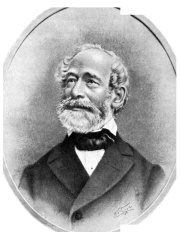
Carl Zeiss
1816 - 1888
HPI: 74.55
Rank: 19
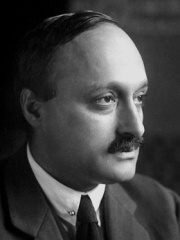
James Franck
1882 - 1964
HPI: 74.48
Rank: 20
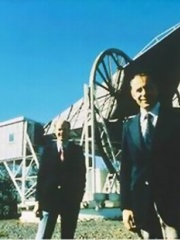
Arno Allan Penzias
1933 - 2024
HPI: 74.19
Rank: 21
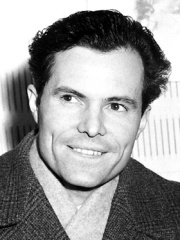
Rudolf Mössbauer
1929 - 2011
HPI: 74.03
Rank: 22
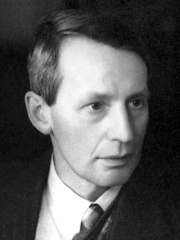
George Paget Thomson
1892 - 1975
HPI: 73.90
Rank: 23
Hans Georg Dehmelt
1922 - 2017
HPI: 73.54
Rank: 24
Gerd Binnig
1947 - Present
HPI: 73.15
Rank: 25
Ernst Abbe
1840 - 1905
HPI: 73.14
Rank: 26
Polykarp Kusch
1911 - 1993
HPI: 72.84
Rank: 27
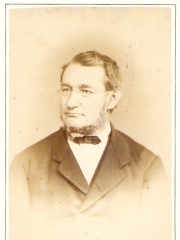
Julius von Mayer
1814 - 1878
HPI: 72.68
Rank: 28
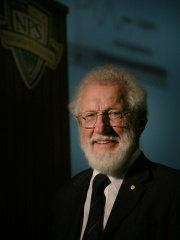
Herbert Kroemer
1928 - 2024
HPI: 72.63
Rank: 29
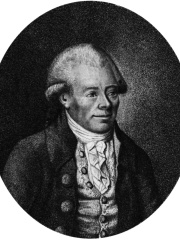
Georg Christoph Lichtenberg
1742 - 1799
HPI: 72.28
Rank: 30
Hans Geiger
1882 - 1945
HPI: 72.18
Rank: 31




