Lekarz
Ctesias
440 BC - 400 BC
PL.WIKIPEDIA PAGE VIEWS (PV)

 Ctesias
Ktezjasz (stgr. Κτησίας Ktēsias, łac. Ctesias, ur. po 440 p.n.e., zm. Czytaj więcej w Wikipedii
Jego biografia jest dostępna w 42 różnych językach w Wikipedii (wzrost z 40 w 2024 roku). Ctesias jest 109. najpopularniejszym lekarz (spadek z 101. w 2024 roku), 281. najpopularniejszą biografią Turcja (wzrost z 290. w 2019 roku) oraz 7. najpopularniejszym lekarz Turcja.
Memorability Metrics
Page views of Ctesias by language
Among Lekarzs
Among lekarzs, Ctesias ranks 109 out of 726. Before him are Louis Auguste Blanqui, Ulf von Euler, Niels Kaj Jerne, Cornelius Jansen, Frederick Banting, and Harvey J. Alter. After him are Werner Forssmann, James Parkinson, Herbert Spencer Gasser, Albert Sabin, Arvid Carlsson, and Eric Kandel.
Most Popular Lekarzs in Wikipedia
Go to all Rankings
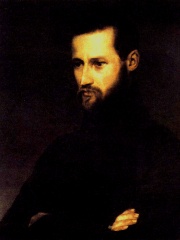
Louis Auguste Blanqui
1805 - 1881
HPI: 71.48
Rank: 103
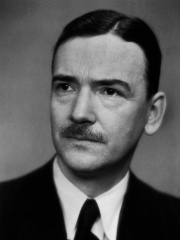
Ulf von Euler
1905 - 1983
HPI: 71.47
Rank: 104

Niels Kaj Jerne
1911 - 1994
HPI: 71.41
Rank: 105
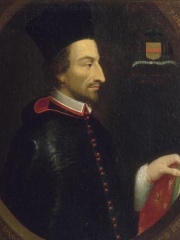
Cornelius Jansen
1585 - 1638
HPI: 71.13
Rank: 106
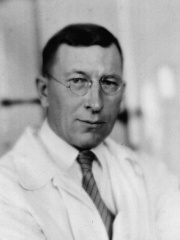
Frederick Banting
1891 - 1941
HPI: 71.11
Rank: 107

Harvey J. Alter
1935 - Present
HPI: 71.09
Rank: 108
Ctesias
440 BC - 400 BC
HPI: 71.06
Rank: 109
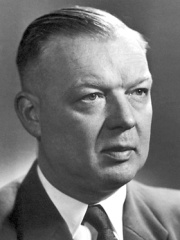
Werner Forssmann
1904 - 1979
HPI: 70.90
Rank: 110
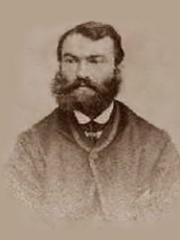
James Parkinson
1755 - 1824
HPI: 70.88
Rank: 111
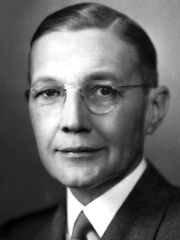
Herbert Spencer Gasser
1888 - 1963
HPI: 70.84
Rank: 112
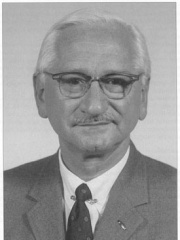
Albert Sabin
1906 - 1993
HPI: 70.81
Rank: 113
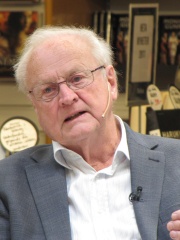
Arvid Carlsson
1923 - 2018
HPI: 70.81
Rank: 114
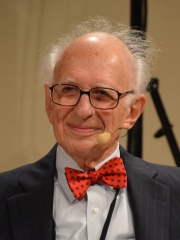
Eric Kandel
1929 - Present
HPI: 70.78
Rank: 115

Contemporaries
Among people born in 440 BC, Ctesias ranks 1. After him are Thrasybulus, Wu Qi, and Andocides. Among people deceased in 400 BC, Ctesias ranks 4. Before him are Aspasia, Xanthippe, and Zeuxis. After him are Thaïs, Leochares, Teos of Egypt, Phaedo of Elis, Eubulides, Alcamenes, Parysatis, and Oxyartes.
Others Born in 440 BC
Go to all RankingsCtesias
PHYSICIAN
440 BC - 400 BC
HPI: 71.06
Rank: 1

Thrasybulus
MILITARY PERSONNEL
440 BC - 389 BC
HPI: 67.45
Rank: 2

Wu Qi
POLITICIAN
440 BC - 381 BC
HPI: 65.93
Rank: 3

Andocides
POLITICIAN
440 BC - 391 BC
HPI: 65.47
Rank: 4
Others Deceased in 400 BC
Go to all Rankings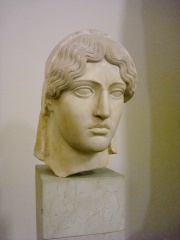
Aspasia
COMPANION
470 BC - 400 BC
HPI: 82.17
Rank: 1
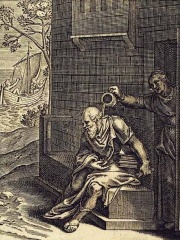
Xanthippe
POLITICIAN
500 BC - 400 BC
HPI: 77.67
Rank: 2
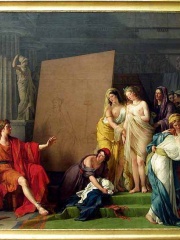
Zeuxis
PAINTER
500 BC - 400 BC
HPI: 74.74
Rank: 3
Ctesias
PHYSICIAN
440 BC - 400 BC
HPI: 71.06
Rank: 4

Thaïs
POLITICIAN
400 BC - 400 BC
HPI: 70.25
Rank: 5

Leochares
SCULPTOR
400 BC - 400 BC
HPI: 68.77
Rank: 6
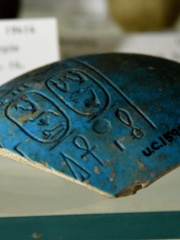
Teos of Egypt
POLITICIAN
400 BC - 400 BC
HPI: 67.41
Rank: 7

Phaedo of Elis
PHILOSOPHER
401 BC - 400 BC
HPI: 67.17
Rank: 8

Eubulides
PHILOSOPHER
500 BC - 400 BC
HPI: 66.97
Rank: 9
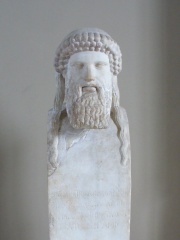
Alcamenes
SCULPTOR
500 BC - 400 BC
HPI: 66.62
Rank: 10
Parysatis
POLITICIAN
500 BC - 400 BC
HPI: 66.20
Rank: 11
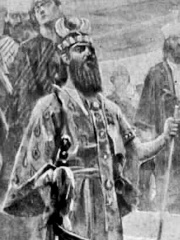
Oxyartes
POLITICIAN
380 BC - 400 BC
HPI: 65.97
Rank: 12
In Turcja
Among people born in Turcja, Ctesias ranks 281 out of NaN. Before him are Priscus (410), Aratus (-315), Michael IX Palaiologos (1277), Flavian of Constantinople (380), Lydia of Thyatira (100), and Tansu Çiller (1946). After him are Seleucus II Callinicus (-265), Alexander of Aphrodisias (200), Vitiges (475), Celâl Bayar (1883), Eumenes (-362), and Strato of Lampsacus (-335).
Others born in Turcja
Go to all Rankings
Priscus
PHILOSOPHER
410 - 471
HPI: 71.23
Rank: 275
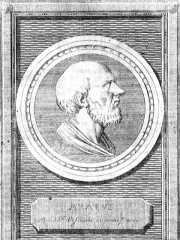
Aratus
WRITER
315 BC - 240 BC
HPI: 71.21
Rank: 276
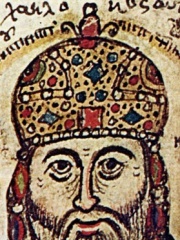
Michael IX Palaiologos
POLITICIAN
1277 - 1320
HPI: 71.14
Rank: 277
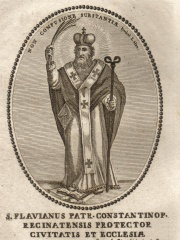
Flavian of Constantinople
RELIGIOUS FIGURE
380 - 449
HPI: 71.12
Rank: 278
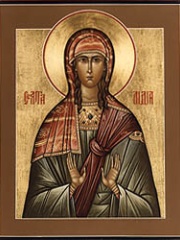
Lydia of Thyatira
RELIGIOUS FIGURE
100 - 100
HPI: 71.10
Rank: 279
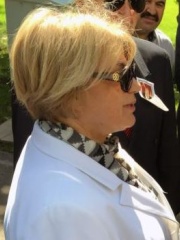
Tansu Çiller
ECONOMIST
1946 - Present
HPI: 71.07
Rank: 280
Ctesias
PHYSICIAN
440 BC - 400 BC
HPI: 71.06
Rank: 281
Seleucus II Callinicus
POLITICIAN
265 BC - 225 BC
HPI: 71.03
Rank: 282
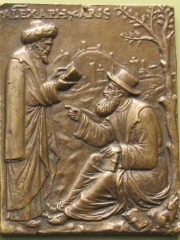
Alexander of Aphrodisias
PHILOSOPHER
200 - 215
HPI: 71.01
Rank: 283
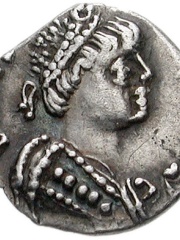
Vitiges
POLITICIAN
475 - 542
HPI: 70.97
Rank: 284
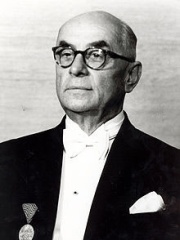
Celâl Bayar
POLITICIAN
1883 - 1986
HPI: 70.92
Rank: 285
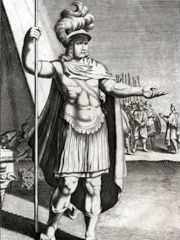
Eumenes
MILITARY PERSONNEL
362 BC - 316 BC
HPI: 70.85
Rank: 286
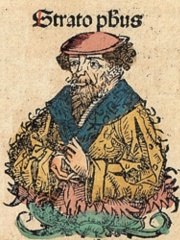
Strato of Lampsacus
PHILOSOPHER
335 BC - 269 BC
HPI: 70.83
Rank: 287
Among Lekarzs In Turcja
Among lekarzs born in Turcja, Ctesias ranks 7. Before him are Galen (129), Basil of Caesarea (329), Pedanius Dioscorides (40), Nestorius (381), Polycarp (69), and Herophilos (-335). After him are Aretaeus of Cappadocia (100), Soranus of Ephesus (98), Asclepiades of Bithynia (-120), Caesarius of Nazianzus (330), Aëtius of Amida (502), and Gazi Yaşargil (1925).
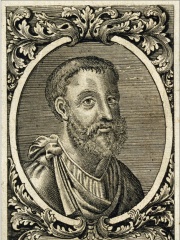
Galen
129 - 215
HPI: 85.73
Rank: 1
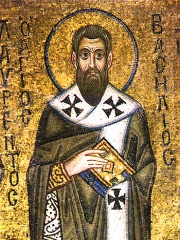
Basil of Caesarea
329 - 379
HPI: 82.87
Rank: 2
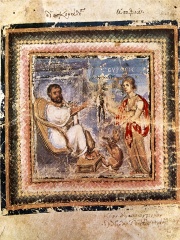
Pedanius Dioscorides
40 - 90
HPI: 77.86
Rank: 3
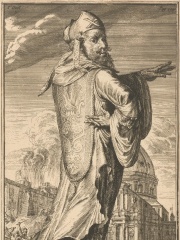
Nestorius
381 - 451
HPI: 77.67
Rank: 4
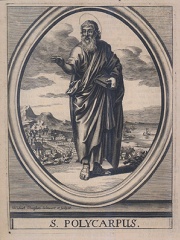
Polycarp
69 - 155
HPI: 74.49
Rank: 5
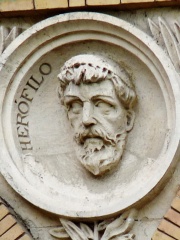
Herophilos
335 BC - 280 BC
HPI: 72.17
Rank: 6
Ctesias
440 BC - 400 BC
HPI: 71.06
Rank: 7
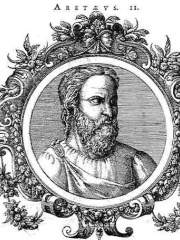
Aretaeus of Cappadocia
100 - 200
HPI: 66.68
Rank: 8

Soranus of Ephesus
98 - 200
HPI: 65.48
Rank: 9
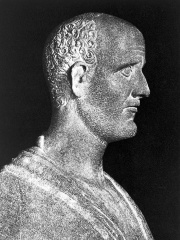
Asclepiades of Bithynia
120 BC - 40 BC
HPI: 65.31
Rank: 10

Caesarius of Nazianzus
330 - 368
HPI: 63.29
Rank: 11

Aëtius of Amida
502 - 575
HPI: 62.15
Rank: 12

Gazi Yaşargil
1925 - 2025
HPI: 60.12
Rank: 13