Polityk
Chlodio
393 - 448
PL.WIKIPEDIA PAGE VIEWS (PV)
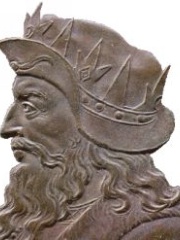
 Chlodio
Klodion (łac. Clodio lub Chlodio), zwany Długowłosym lub Włochatym (ur. ok. 395, zm. Czytaj więcej w Wikipedii
Jego biografia jest dostępna w 42 różnych językach w Wikipedii. Chlodio jest 1587. najpopularniejszym polityk (spadek z 1395. w 2024 roku), 406. najpopularniejszą biografią Niemcy (spadek z 373. w 2019 roku) oraz 113. najpopularniejszym polityk Niemcy.
Memorability Metrics
Page views of Chlodio by language
Among Polityks
Among polityks, Chlodio ranks 1,587 out of 19,576. Before him are Anthemius, Christine Lagarde, Mahfiruz Hatun, Songtsen Gampo, Walther Funk, and Quintillus. After him are Michael I Rangabe, Camille Desmoulins, Nero Julius Caesar, Emil Hácha, Paul Biya, and Maria of Yugoslavia.
Most Popular Polityks in Wikipedia
Go to all Rankings
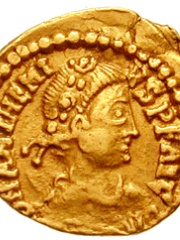
Anthemius
420 - 472
HPI: 73.55
Rank: 1,582
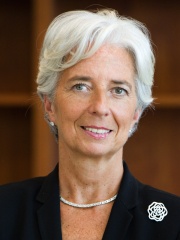
Christine Lagarde
1956 - Present
HPI: 73.55
Rank: 1,583
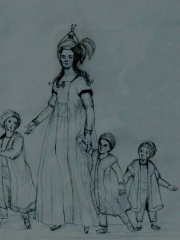
Mahfiruz Hatun
1590 - 1620
HPI: 73.55
Rank: 1,584

Songtsen Gampo
604 - 650
HPI: 73.54
Rank: 1,585
Walther Funk
1890 - 1960
HPI: 73.54
Rank: 1,586
Quintillus
220 - 270
HPI: 73.54
Rank: 1,587
Chlodio
393 - 448
HPI: 73.53
Rank: 1,588
Michael I Rangabe
770 - 844
HPI: 73.53
Rank: 1,589
Camille Desmoulins
1760 - 1794
HPI: 73.53
Rank: 1,590
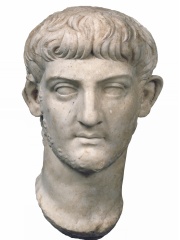
Nero Julius Caesar
6 - 31
HPI: 73.53
Rank: 1,591
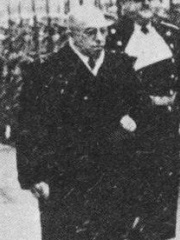
Emil Hácha
1872 - 1945
HPI: 73.53
Rank: 1,592
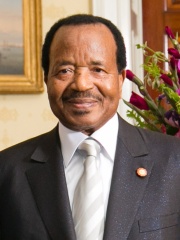
Paul Biya
1933 - Present
HPI: 73.53
Rank: 1,593
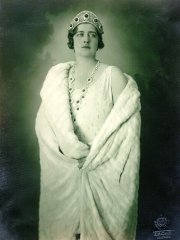
Maria of Yugoslavia
1900 - 1961
HPI: 73.53
Rank: 1,594

Contemporaries
Among people born in 393, Chlodio ranks 2. Before him is Theodoric I. After him is Theodoret. Among people deceased in 448, Chlodio ranks 1. After him are Rechila, Germanus of Auxerre, and Artaxias IV.
Others Born in 393
Go to all Rankings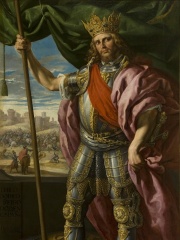
Theodoric I
POLITICIAN
393 - 451
HPI: 75.26
Rank: 1
Chlodio
POLITICIAN
393 - 448
HPI: 73.53
Rank: 2
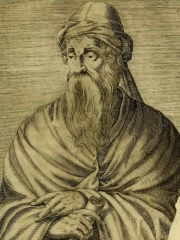
Theodoret
WRITER
393 - 458
HPI: 69.51
Rank: 3
Others Deceased in 448
Go to all RankingsChlodio
POLITICIAN
393 - 448
HPI: 73.53
Rank: 1

Rechila
POLITICIAN
450 - 448
HPI: 64.06
Rank: 2
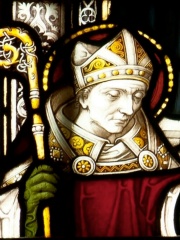
Germanus of Auxerre
RELIGIOUS FIGURE
378 - 448
HPI: 62.72
Rank: 3

Artaxias IV
NOBLEMAN
404 - 448
HPI: 56.19
Rank: 4
In Niemcy
Among people born in Niemcy, Chlodio ranks 406 out of NaN. Before him are Rupert, King of Germany (1352), Max Bruch (1838), Wilhelm Maybach (1846), Einhard (770), Ernst Thälmann (1886), and Hans Georg Dehmelt (1922). After him are Heinrich Cornelius Agrippa (1486), Maria of Yugoslavia (1900), Hermann Fegelein (1906), Elizabeth Charlotte, Madame Palatine (1652), Georg von Hertling (1843), and Michael Wittmann (1914).
Others born in Niemcy
Go to all Rankings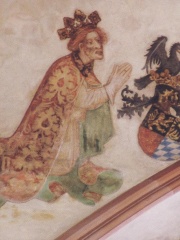
Rupert, King of Germany
POLITICIAN
1352 - 1410
HPI: 73.63
Rank: 400
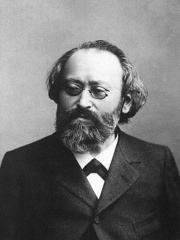
Max Bruch
COMPOSER
1838 - 1920
HPI: 73.61
Rank: 401
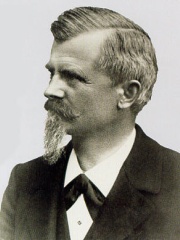
Wilhelm Maybach
INVENTOR
1846 - 1929
HPI: 73.59
Rank: 402
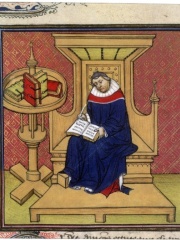
Einhard
WRITER
770 - 840
HPI: 73.58
Rank: 403
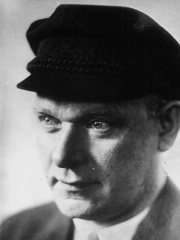
Ernst Thälmann
POLITICIAN
1886 - 1944
HPI: 73.56
Rank: 404
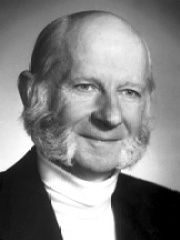
Hans Georg Dehmelt
PHYSICIST
1922 - 2017
HPI: 73.54
Rank: 405
Chlodio
POLITICIAN
393 - 448
HPI: 73.53
Rank: 406
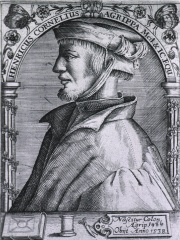
Heinrich Cornelius Agrippa
OCCULTIST
1486 - 1535
HPI: 73.53
Rank: 407
Maria of Yugoslavia
POLITICIAN
1900 - 1961
HPI: 73.53
Rank: 408
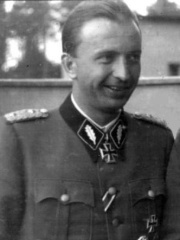
Hermann Fegelein
MILITARY PERSONNEL
1906 - 1945
HPI: 73.52
Rank: 409
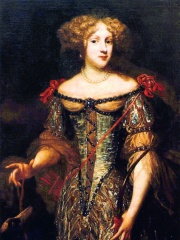
Elizabeth Charlotte, Madame Palatine
NOBLEMAN
1652 - 1722
HPI: 73.50
Rank: 410
Georg von Hertling
POLITICIAN
1843 - 1919
HPI: 73.49
Rank: 411
Michael Wittmann
MILITARY PERSONNEL
1914 - 1944
HPI: 73.49
Rank: 412
Among Polityks In Niemcy
Among polityks born in Niemcy, Chlodio ranks 113. Before him are Valdemar I of Denmark (1131), Fritz Sauckel (1894), Eleonor Magdalene of Neuburg (1655), Maria Anna of Bavaria (1551), Rupert, King of Germany (1352), and Ernst Thälmann (1886). After him are Maria of Yugoslavia (1900), Georg von Hertling (1843), Kurt Georg Kiesinger (1904), Ludwig III of Bavaria (1845), Richard von Weizsäcker (1920), and Karl Haushofer (1869).
Valdemar I of Denmark
1131 - 1182
HPI: 73.85
Rank: 107
Fritz Sauckel
1894 - 1946
HPI: 73.80
Rank: 108
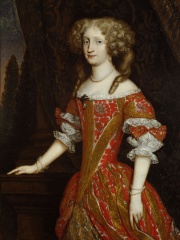
Eleonor Magdalene of Neuburg
1655 - 1720
HPI: 73.73
Rank: 109
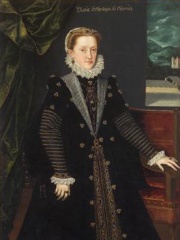
Maria Anna of Bavaria
1551 - 1608
HPI: 73.73
Rank: 110
Rupert, King of Germany
1352 - 1410
HPI: 73.63
Rank: 111
Ernst Thälmann
1886 - 1944
HPI: 73.56
Rank: 112
Chlodio
393 - 448
HPI: 73.53
Rank: 113
Maria of Yugoslavia
1900 - 1961
HPI: 73.53
Rank: 114
Georg von Hertling
1843 - 1919
HPI: 73.49
Rank: 115
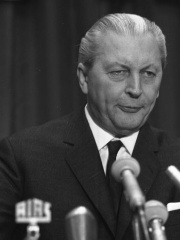
Kurt Georg Kiesinger
1904 - 1988
HPI: 73.36
Rank: 116
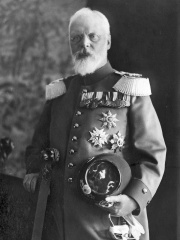
Ludwig III of Bavaria
1845 - 1921
HPI: 73.34
Rank: 117
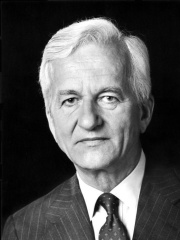
Richard von Weizsäcker
1920 - 2015
HPI: 73.30
Rank: 118
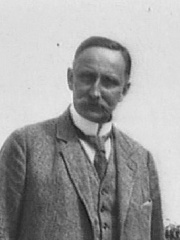
Karl Haushofer
1869 - 1946
HPI: 73.28
Rank: 119