Pisarz
Bernhard Schlink
1944 - obecnie
PL.WIKIPEDIA PAGE VIEWS (PV)

 Bernhard Schlink
Jego biografia jest dostępna w 43 różnych językach w Wikipedii (wzrost z 41 w 2024 roku). Bernhard Schlink jest 766. najpopularniejszym pisarz (wzrost z 874. w 2024 roku), 758. najpopularniejszą biografią Niemcy (wzrost z 827. w 2019 roku) oraz 42. najpopularniejszym pisarz Niemcy.
Memorability Metrics
Page views of Bernhard Schlink by language
Among Pisarzs
Among pisarzs, Bernhard Schlink ranks 766 out of 7,302. Before him are Arto Paasilinna, Maurus Servius Honoratus, Harry Mulisch, V. S. Naipaul, Charles Maurras, and Neal Cassady. After him are Ban Gu, Pierre Boulle, Christoph Martin Wieland, Heliodorus of Emesa, Agathias, and Aubrey Beardsley.
Most Popular Pisarzs in Wikipedia
Go to all Rankings
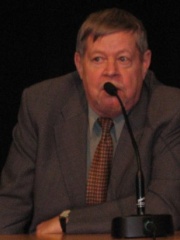
Arto Paasilinna
1942 - 2018
HPI: 70.00
Rank: 760
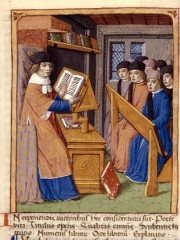
Maurus Servius Honoratus
363 - 301
HPI: 69.97
Rank: 761
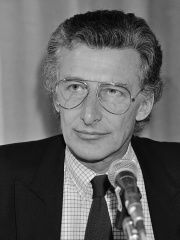
Harry Mulisch
1927 - 2010
HPI: 69.95
Rank: 762
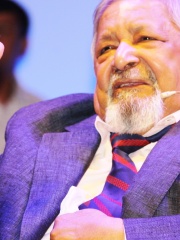
V. S. Naipaul
1932 - 2018
HPI: 69.95
Rank: 763
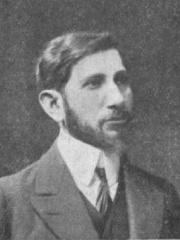
Charles Maurras
1868 - 1952
HPI: 69.94
Rank: 764
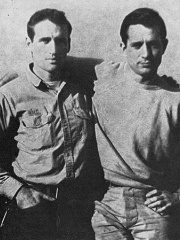
Neal Cassady
1926 - 1968
HPI: 69.94
Rank: 765
Bernhard Schlink
1944 - Present
HPI: 69.94
Rank: 766
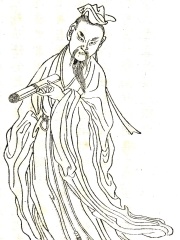
Ban Gu
32 - 92
HPI: 69.92
Rank: 767
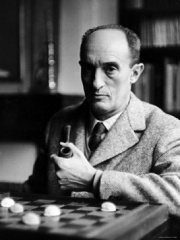
Pierre Boulle
1912 - 1994
HPI: 69.91
Rank: 768
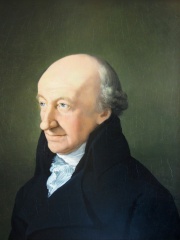
Christoph Martin Wieland
1733 - 1813
HPI: 69.89
Rank: 769
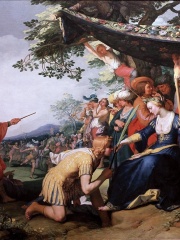
Heliodorus of Emesa
250 - 400
HPI: 69.89
Rank: 770

Agathias
536 - 582
HPI: 69.86
Rank: 771
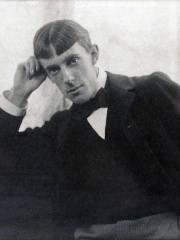
Aubrey Beardsley
1872 - 1898
HPI: 69.84
Rank: 772

Contemporaries
Among people born in 1944, Bernhard Schlink ranks 66. Before him are Rajiv Gandhi, Abdul Hamid, Harold Ramis, Sondra Locke, Gérard Mourou, and Mairead Maguire. After him are John Rhys-Davies, Thein Sein, Princess Benedikte of Denmark, Serge Haroche, Antonio Damasio, and Askar Akayev.
Others Born in 1944
Go to all Rankings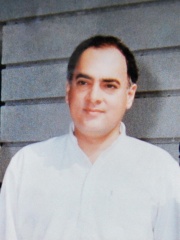
Rajiv Gandhi
POLITICIAN
1944 - 1991
HPI: 70.28
Rank: 60

Abdul Hamid
POLITICIAN
1944 - Present
HPI: 70.13
Rank: 61
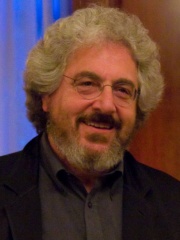
Harold Ramis
ACTOR
1944 - 2014
HPI: 70.04
Rank: 62
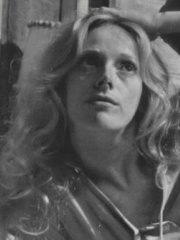
Sondra Locke
ACTOR
1944 - 2018
HPI: 70.01
Rank: 63
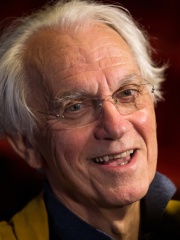
Gérard Mourou
PHYSICIST
1944 - Present
HPI: 69.96
Rank: 64
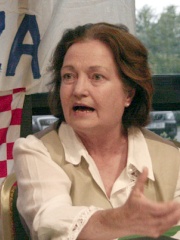
Mairead Maguire
SOCIAL ACTIVIST
1944 - Present
HPI: 69.94
Rank: 65
Bernhard Schlink
WRITER
1944 - Present
HPI: 69.94
Rank: 66
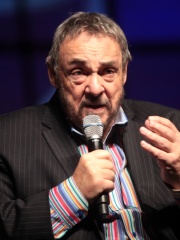
John Rhys-Davies
ACTOR
1944 - Present
HPI: 69.92
Rank: 67
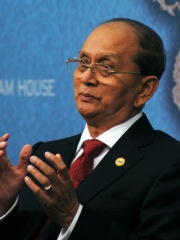
Thein Sein
POLITICIAN
1944 - Present
HPI: 69.87
Rank: 68
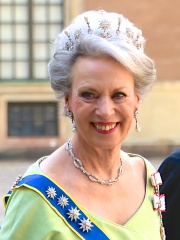
Princess Benedikte of Denmark
POLITICIAN
1944 - Present
HPI: 69.81
Rank: 69
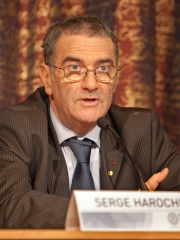
Serge Haroche
PHYSICIST
1944 - Present
HPI: 69.50
Rank: 70
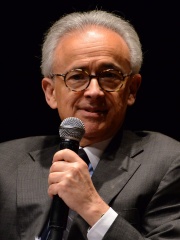
Antonio Damasio
PSYCHOLOGIST
1944 - Present
HPI: 69.48
Rank: 71

Askar Akayev
POLITICIAN
1944 - Present
HPI: 69.39
Rank: 72
In Niemcy
Among people born in Niemcy, Bernhard Schlink ranks 758 out of NaN. Before him are Johann Wilhelm, Duke of Saxe-Weimar (1530), Werner von Haeften (1908), Carlos Kleiber (1930), Albert, King of Sweden (1340), William IV, Grand Duke of Luxembourg (1852), and Bruno Walter (1876). After him are Michael Praetorius (1571), Jürgen Klinsmann (1964), Alexandrine of Mecklenburg-Schwerin (1879), Pavlo Skoropadskyi (1873), Berti Vogts (1946), and Christoph Martin Wieland (1733).
Others born in Niemcy
Go to all Rankings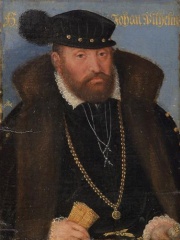
Johann Wilhelm, Duke of Saxe-Weimar
POLITICIAN
1530 - 1573
HPI: 69.97
Rank: 752
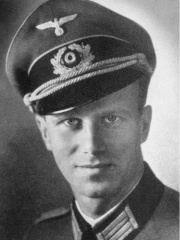
Werner von Haeften
POLITICIAN
1908 - 1944
HPI: 69.97
Rank: 753
Carlos Kleiber
MUSICIAN
1930 - 2004
HPI: 69.96
Rank: 754

Albert, King of Sweden
POLITICIAN
1340 - 1412
HPI: 69.95
Rank: 755
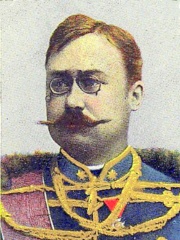
William IV, Grand Duke of Luxembourg
POLITICIAN
1852 - 1912
HPI: 69.95
Rank: 756
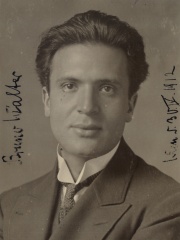
Bruno Walter
CONDUCTOR
1876 - 1962
HPI: 69.94
Rank: 757
Bernhard Schlink
WRITER
1944 - Present
HPI: 69.94
Rank: 758
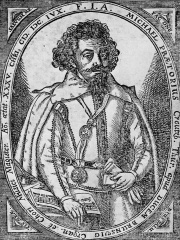
Michael Praetorius
COMPOSER
1571 - 1621
HPI: 69.93
Rank: 759

Jürgen Klinsmann
SOCCER PLAYER
1964 - Present
HPI: 69.93
Rank: 760
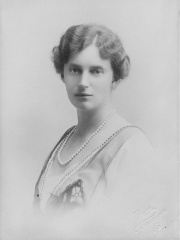
Alexandrine of Mecklenburg-Schwerin
COMPANION
1879 - 1952
HPI: 69.90
Rank: 761
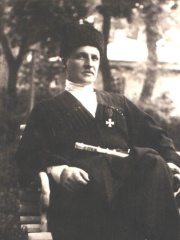
Pavlo Skoropadskyi
POLITICIAN
1873 - 1945
HPI: 69.89
Rank: 762

Berti Vogts
SOCCER PLAYER
1946 - Present
HPI: 69.89
Rank: 763
Christoph Martin Wieland
WRITER
1733 - 1813
HPI: 69.89
Rank: 764
Among Pisarzs In Niemcy
Among pisarzs born in Niemcy, Bernhard Schlink ranks 42. Before him are Klaus Mann (1906), Dietrich Eckart (1868), Georg Büchner (1813), Clemens Brentano (1778), Elisabeth of Wied (1843), and Hugo Ball (1886). After him are Christoph Martin Wieland (1733), Anna Seghers (1900), Achim von Arnim (1781), Friedrich Gottlieb Klopstock (1724), Wilhelm Hauff (1802), and Karl Harrer (1890).
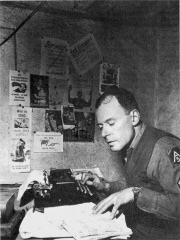
Klaus Mann
1906 - 1949
HPI: 71.10
Rank: 36
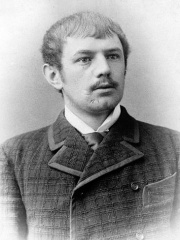
Dietrich Eckart
1868 - 1923
HPI: 70.64
Rank: 37
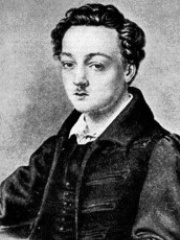
Georg Büchner
1813 - 1837
HPI: 70.62
Rank: 38
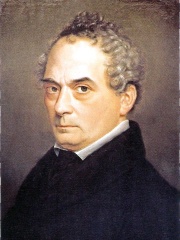
Clemens Brentano
1778 - 1842
HPI: 70.33
Rank: 39
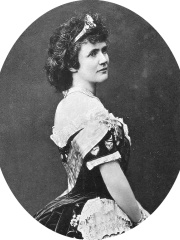
Elisabeth of Wied
1843 - 1916
HPI: 70.16
Rank: 40
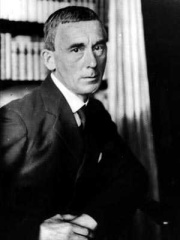
Hugo Ball
1886 - 1927
HPI: 70.09
Rank: 41
Bernhard Schlink
1944 - Present
HPI: 69.94
Rank: 42
Christoph Martin Wieland
1733 - 1813
HPI: 69.89
Rank: 43
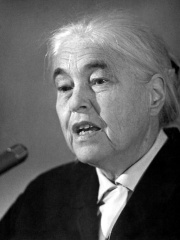
Anna Seghers
1900 - 1983
HPI: 69.78
Rank: 44
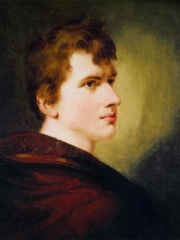
Achim von Arnim
1781 - 1831
HPI: 69.71
Rank: 45
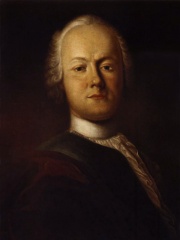
Friedrich Gottlieb Klopstock
1724 - 1803
HPI: 69.65
Rank: 46
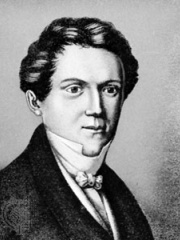
Wilhelm Hauff
1802 - 1827
HPI: 69.33
Rank: 47
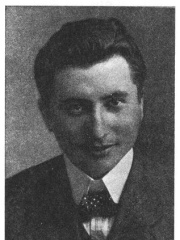
Karl Harrer
1890 - 1926
HPI: 69.17
Rank: 48