Polityk
Basarab the Old
PL.WIKIPEDIA PAGE VIEWS (PV)
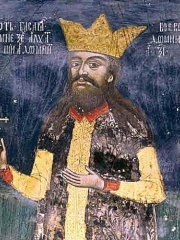
 Basarab the Old
Basarab III Stary (rum. Basarab cel Bătrân) – hospodar wołoski w latach 1473, 1474 (dwukrotnie), 1475–1476 i 1476–1477 z dynastii Basarabów. Był synem hospodara Dana II lub jego wnukiem (a synem zamordowanego przez Włada Palownika Dana III). Został wprowadzony na tron wołoski przez hospodara mołdawskiego Stefana Wielkiego, który walczył z protureckim kuzynem i poprzednikiem Basaraba – Radu III Pięknym. Czytaj więcej w Wikipedii
Jego biografia jest dostępna w 17 różnych językach w Wikipedii (wzrost z 15 w 2024 roku). Basarab the Old jest 7313. najpopularniejszym polityk (wzrost z 11719. w 2024 roku), 125. najpopularniejszą biografią Rumunia (wzrost z 247. w 2019 roku) oraz 55. najpopularniejszym polityk Rumunia.
Memorability Metrics
Page views of Basarab the Old by language
Among Polityks
Among polityks, Basarab the Old ranks 7,313 out of 19,576. Before him are Carlos Arias Navarro, Aureolus, Hunald I, Bernard of Septimania, Enrique Bolaños, and Sōsuke Uno. After him are Tabinshwehti, Raginpert, Louis I, Prince of Monaco, Isabel of Barcelos, Louis IV, Landgrave of Thuringia, and Ulugh Muhammad.
Most Popular Polityks in Wikipedia
Go to all Rankings
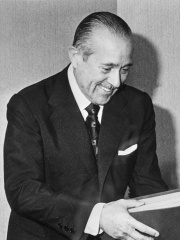
Carlos Arias Navarro
1908 - 1989
HPI: 63.86
Rank: 7,310
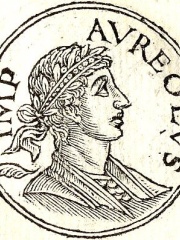
Aureolus
220 - 268
HPI: 63.86
Rank: 7,311
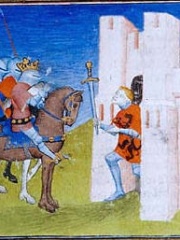
Hunald I
705 - 774
HPI: 63.86
Rank: 7,312

Bernard of Septimania
795 - 844
HPI: 63.86
Rank: 7,313
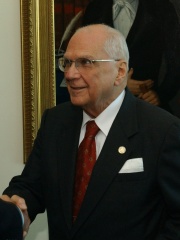
Enrique Bolaños
1928 - 2021
HPI: 63.86
Rank: 7,314
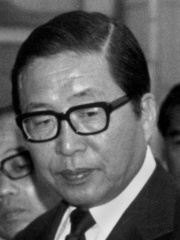
Sōsuke Uno
1922 - 1998
HPI: 63.86
Rank: 7,315
Basarab the Old
HPI: 63.86
Rank: 7,316

Tabinshwehti
1516 - 1550
HPI: 63.86
Rank: 7,317

Raginpert
662 - 701
HPI: 63.86
Rank: 7,318
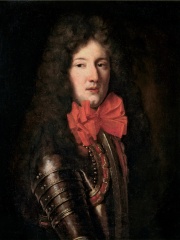
Louis I, Prince of Monaco
1642 - 1701
HPI: 63.85
Rank: 7,319
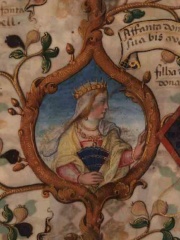
Isabel of Barcelos
1402 - 1466
HPI: 63.85
Rank: 7,320
Louis IV, Landgrave of Thuringia
1200 - 1227
HPI: 63.85
Rank: 7,321

Ulugh Muhammad
1405 - 1445
HPI: 63.85
Rank: 7,322

In Rumunia
Among people born in Rumunia, Basarab the Old ranks 125 out of NaN. Before him are Ion Mihai Pacepa (1928), Sándor Kőrösi Csoma (1784), Angelica Rozeanu (1921), Ion Luca Caragiale (1852), Armand Călinescu (1893), and Aureolus (220). After him are Lajos Zilahy (1891), Inna (1986), Miklós Nyiszli (1901), Victor Brauner (1903), Stefan Hell (1962), and Tudor Vladimirescu (1780).
Others born in Rumunia
Go to all Rankings
Ion Mihai Pacepa
MILITARY PERSONNEL
1928 - 2021
HPI: 64.07
Rank: 119
Sándor Kőrösi Csoma
LINGUIST
1784 - 1842
HPI: 64.07
Rank: 120
Angelica Rozeanu
TABLE TENNIS PLAYER
1921 - 2006
HPI: 64.06
Rank: 121
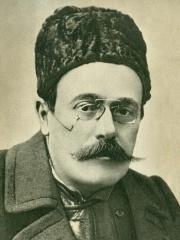
Ion Luca Caragiale
WRITER
1852 - 1912
HPI: 63.94
Rank: 122
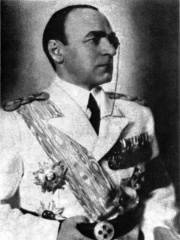
Armand Călinescu
POLITICIAN
1893 - 1939
HPI: 63.90
Rank: 123
Aureolus
POLITICIAN
220 - 268
HPI: 63.86
Rank: 124
Basarab the Old
POLITICIAN
HPI: 63.86
Rank: 125
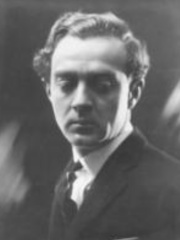
Lajos Zilahy
WRITER
1891 - 1974
HPI: 63.80
Rank: 126

Inna
SINGER
1986 - Present
HPI: 63.80
Rank: 127

Miklós Nyiszli
WRITER
1901 - 1956
HPI: 63.73
Rank: 128
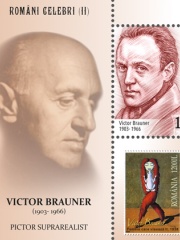
Victor Brauner
PAINTER
1903 - 1966
HPI: 63.72
Rank: 129

Stefan Hell
PHYSICIST
1962 - Present
HPI: 63.68
Rank: 130
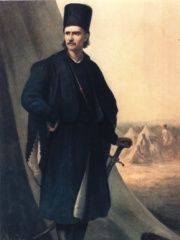
Tudor Vladimirescu
POLITICIAN
1780 - 1821
HPI: 63.67
Rank: 131
Among Polityks In Rumunia
Among polityks born in Rumunia, Basarab the Old ranks 55. Before him are Călin Georgescu (1962), Mundzuk (368), Christopher Báthory (1530), Vlad Călugărul (1425), Armand Călinescu (1893), and Aureolus (220). After him are Tudor Vladimirescu (1780), Manea Mănescu (1916), Gabriel Báthory (1589), Francis I Rákóczi (1645), Mihail Kogălniceanu (1817), and Hermann Kövess von Kövessháza (1854).
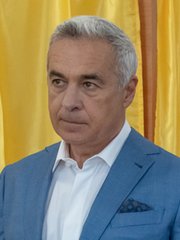
Călin Georgescu
1962 - Present
HPI: 64.81
Rank: 49

Mundzuk
368 - 434
HPI: 64.79
Rank: 50
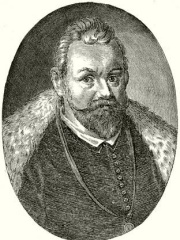
Christopher Báthory
1530 - 1581
HPI: 64.62
Rank: 51
Vlad Călugărul
1425 - 1495
HPI: 64.21
Rank: 52
Armand Călinescu
1893 - 1939
HPI: 63.90
Rank: 53
Aureolus
220 - 268
HPI: 63.86
Rank: 54
Basarab the Old
HPI: 63.86
Rank: 55
Tudor Vladimirescu
1780 - 1821
HPI: 63.67
Rank: 56
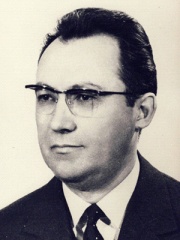
Manea Mănescu
1916 - 2009
HPI: 63.58
Rank: 57
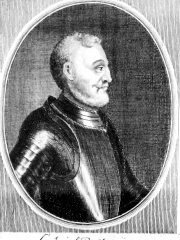
Gabriel Báthory
1589 - 1613
HPI: 63.53
Rank: 58
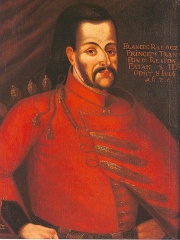
Francis I Rákóczi
1645 - 1676
HPI: 63.51
Rank: 59
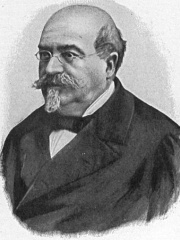
Mihail Kogălniceanu
1817 - 1891
HPI: 63.33
Rank: 60
Hermann Kövess von Kövessháza
1854 - 1924
HPI: 63.23
Rank: 61