Szlachcic
Avidius Cassius
130 - 175
PL.WIKIPEDIA PAGE VIEWS (PV)

 Avidius Cassius
Gaius Avidius Cassius (zm. 175) – rzymski dowódca, uzurpator na Wschodzie w 175. Syn Heliodora Kasjusza, pochodził z Syrii. W 164 namiestnik Syrii, był dowódcą w wojnie z Partami. Czytaj więcej w Wikipedii
Jego biografia jest dostępna w 36 różnych językach w Wikipedii (wzrost z 35 w 2024 roku). Avidius Cassius jest 160. najpopularniejszym szlachcic (wzrost z 164. w 2024 roku), 26. najpopularniejszą biografią Syria (wzrost z 31. w 2019 roku) oraz najpopularniejszym szlachcic Syria.
Memorability Metrics
Page views of Avidius Cassius by language
Among Szlachcics
Among szlachcics, Avidius Cassius ranks 159 out of 1,415. Before him are Harald II of Denmark, Princess Margaret of Connaught, Sophia Dorothea of Hanover, Princess Charlotte of Denmark, and Robert the Strong. After him are Grand Duchess Olga Alexandrovna of Russia, Julia, Princess of Battenberg, Pyotr Wrangel, Béla II of Hungary, Gian Galeazzo Sforza, Carlota Joaquina of Spain, and Sorghaghtani Beki.
Most Popular Szlachcics in Wikipedia
Go to all Rankings
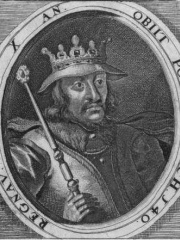
Harald II of Denmark
980 - 1018
HPI: 71.70
Rank: 154
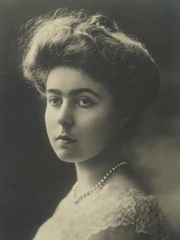
Princess Margaret of Connaught
1882 - 1920
HPI: 71.68
Rank: 155
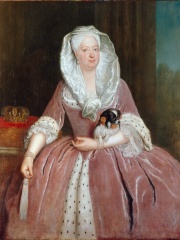
Sophia Dorothea of Hanover
1687 - 1757
HPI: 71.68
Rank: 156
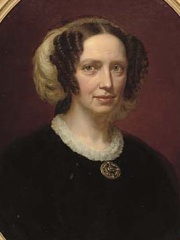
Princess Charlotte of Denmark
1789 - 1864
HPI: 71.63
Rank: 157
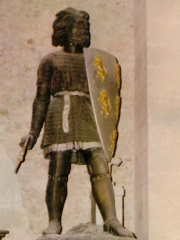
Robert the Strong
900 - 866
HPI: 71.63
Rank: 158
Avidius Cassius
130 - 175
HPI: 71.59
Rank: 159
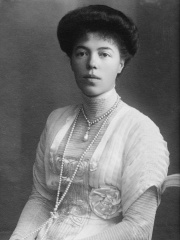
Grand Duchess Olga Alexandrovna of Russia
1882 - 1960
HPI: 71.52
Rank: 160
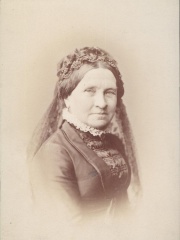
Julia, Princess of Battenberg
1825 - 1895
HPI: 71.34
Rank: 161
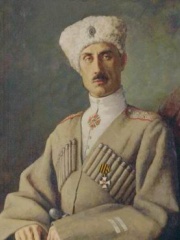
Pyotr Wrangel
1878 - 1928
HPI: 71.33
Rank: 162
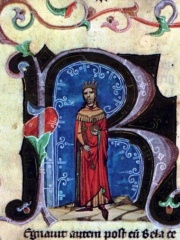
Béla II of Hungary
1108 - 1141
HPI: 71.30
Rank: 163
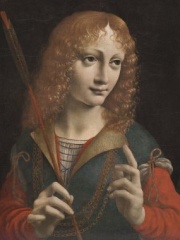
Gian Galeazzo Sforza
1469 - 1494
HPI: 71.28
Rank: 164
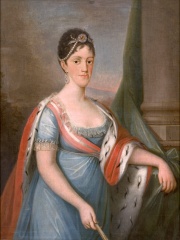
Carlota Joaquina of Spain
1775 - 1830
HPI: 71.24
Rank: 165
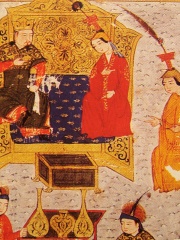
Sorghaghtani Beki
1190 - 1252
HPI: 71.23
Rank: 166

Contemporaries
Among people born in 130, Avidius Cassius ranks 3. Before him are Lucius Verus, and Irenaeus. After him are Vologases V, and Tiberius Claudius Pompeianus. Among people deceased in 175, Avidius Cassius ranks 2. Before him is Arrian. After him is Faustina the Younger.
Others Born in 130
Go to all Rankings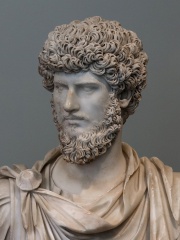
Lucius Verus
POLITICIAN
130 - 169
HPI: 81.78
Rank: 1
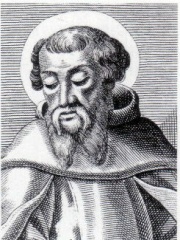
Irenaeus
RELIGIOUS FIGURE
130 - 202
HPI: 76.80
Rank: 2
Avidius Cassius
NOBLEMAN
130 - 175
HPI: 71.59
Rank: 3
Vologases V
POLITICIAN
130 - 208
HPI: 68.96
Rank: 4
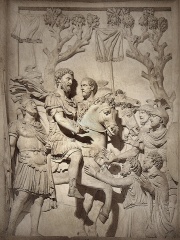
Tiberius Claudius Pompeianus
POLITICIAN
130 - 193
HPI: 67.33
Rank: 5
Others Deceased in 175
Go to all Rankings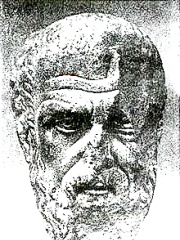
Arrian
HISTORIAN
89 - 175
HPI: 75.37
Rank: 1
Avidius Cassius
NOBLEMAN
130 - 175
HPI: 71.59
Rank: 2
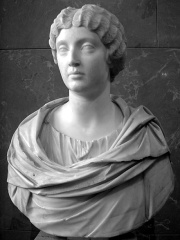
Faustina the Younger
POLITICIAN
125 - 175
HPI: 71.53
Rank: 3
In Syria
Among people born in Syria, Avidius Cassius ranks 26 out of NaN. Before him are Al-Adil I (1145), Hisham ibn Abd al-Malik (691), Muawiya II (661), Anisa Makhlouf (1930), Khaled al-Asaad (1932), and Antiochus II Theos (-286). After him are Zimri-Lim (-1800), Michel Aflaq (1910), Ibn al-Nafis (1212), Abdul Halim Khaddam (1932), Al-Maʿarri (973), and Bassel al-Assad (1962).
Others born in Syria
Go to all Rankings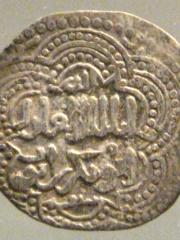
Al-Adil I
POLITICIAN
1145 - 1218
HPI: 72.75
Rank: 20
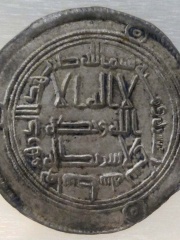
Hisham ibn Abd al-Malik
POLITICIAN
691 - 743
HPI: 72.60
Rank: 21
Muawiya II
POLITICIAN
661 - 684
HPI: 72.53
Rank: 22
Anisa Makhlouf
POLITICIAN
1930 - 2016
HPI: 72.20
Rank: 23
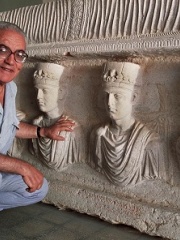
Khaled al-Asaad
WRITER
1932 - 2015
HPI: 71.78
Rank: 24
Antiochus II Theos
POLITICIAN
286 BC - 246 BC
HPI: 71.70
Rank: 25
Avidius Cassius
NOBLEMAN
130 - 175
HPI: 71.59
Rank: 26
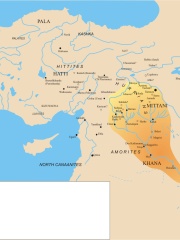
Zimri-Lim
POLITICIAN
1800 BC - 1800 BC
HPI: 71.59
Rank: 27
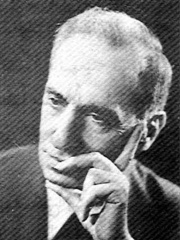
Michel Aflaq
POLITICIAN
1910 - 1989
HPI: 71.42
Rank: 28
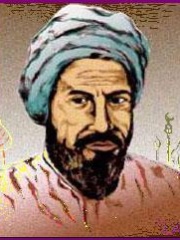
Ibn al-Nafis
PHILOSOPHER
1212 - 1289
HPI: 71.41
Rank: 29

Abdul Halim Khaddam
POLITICIAN
1932 - 2020
HPI: 70.76
Rank: 30
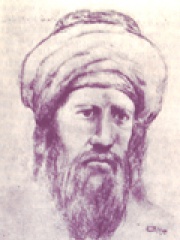
Al-Maʿarri
WRITER
973 - 1057
HPI: 70.73
Rank: 31

Bassel al-Assad
ENGINEER
1962 - 1994
HPI: 70.71
Rank: 32
Among Szlachcics In Syria
Among szlachcics born in Syria, Avidius Cassius ranks 1. After him are Thierry, Count of Flanders (1100), and Dündar Ali Osman (1930).
Avidius Cassius
130 - 175
HPI: 71.59
Rank: 1
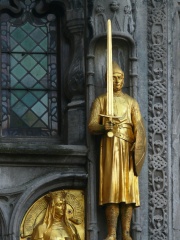
Thierry, Count of Flanders
1100 - 1168
HPI: 68.41
Rank: 2

Dündar Ali Osman
1930 - 2021
HPI: 65.36
Rank: 3