Polityk
Andromache
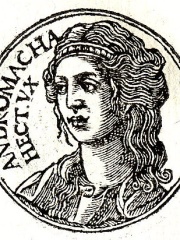
 Andromache
Andromacha (gr. Ἀνδρομάχη Andromáchē „mężna w boju”) – w mitologii greckiej córka Eetiona, króla Tebe w Cylicji, żona Hektora. Miała z nim syna Astyanaksa. Po upadku Troi stała się niewolnicą syna Achillesa – Neoptolemosa. Czytaj więcej w Wikipedii
Her biography is available in 47 different languages on Wikipedia (up from 46 in 2024). Andromache is the 1,210th most popular polityk (down from 806th in 2024), the 168th most popular biography from Türkiye (down from 110th in 2019) and the 91st most popular Turkish Polityk.
Andromache is most famous for being the wife of Hector and the mother of Astyanax.
Memorability Metrics
Page views of Andromache by language
Among Polityks
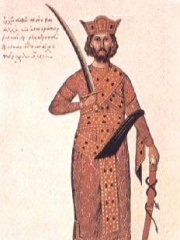
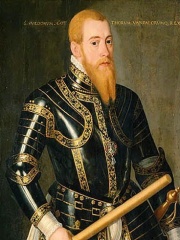
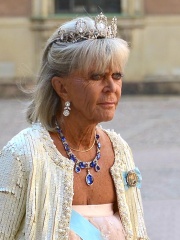
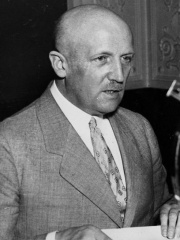
Among polityks, Andromache ranks 1,210 out of 19,576. Before her are Wang Mang, George Plantagenet, 1st Duke of Clarence, Mindaugas, Nikephoros II Phokas, Eric XIV of Sweden, and Jiroemon Kimura. After her are Princess Birgitta of Sweden, Kurt von Schleicher, Władysław III of Poland, Piero di Cosimo de' Medici, Dost Mohammad Khan, and Arthur Wellesley, 1st Duke of Wellington.
Most Popular Polityks in Wikipedia
Go to all Rankings
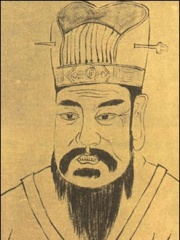
Wang Mang
45 BC - 23
HPI: 75.00
Rank: 1,204
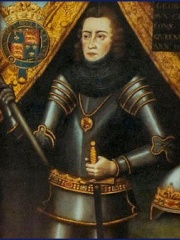
George Plantagenet, 1st Duke of Clarence
1449 - 1478
HPI: 75.00
Rank: 1,205
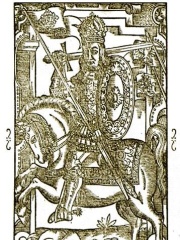
Mindaugas
1203 - 1263
HPI: 75.00
Rank: 1,206
Nikephoros II Phokas
912 - 969
HPI: 74.99
Rank: 1,207
Eric XIV of Sweden
1533 - 1577
HPI: 74.99
Rank: 1,208

Jiroemon Kimura
1897 - 1897
HPI: 74.98
Rank: 1,209
Andromache
HPI: 74.97
Rank: 1,210
Princess Birgitta of Sweden
1937 - 2024
HPI: 74.97
Rank: 1,211
Kurt von Schleicher
1882 - 1934
HPI: 74.97
Rank: 1,212
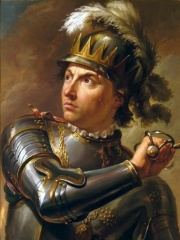
Władysław III of Poland
1424 - 1444
HPI: 74.96
Rank: 1,213
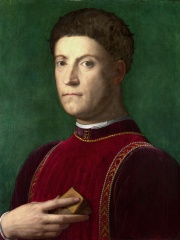
Piero di Cosimo de' Medici
1416 - 1469
HPI: 74.95
Rank: 1,214
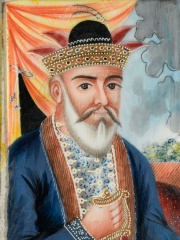
Dost Mohammad Khan
1793 - 1863
HPI: 74.95
Rank: 1,215
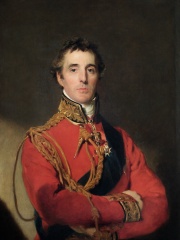
Arthur Wellesley, 1st Duke of Wellington
1769 - 1852
HPI: 74.95
Rank: 1,216

In Türkiye
Among people born in Türkiye, Andromache ranks 168 out of 1,347. Before her are Posidonius (-135), Balbinus (178), Theodore of Amasea (300), Marcion of Sinope (85), Constantine V (718), and Nikephoros II Phokas (912). After her are Samuel of Bulgaria (958), Hussein bin Ali, Sharif of Mecca (1853), Baldwin II, Latin Emperor (1217), Andronikos II Palaiologos (1259), Giorgos Seferis (1900), and Justin II (520).
Others born in Türkiye
Go to all Rankings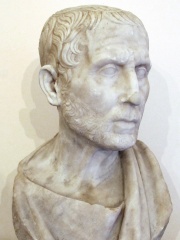
Posidonius
PHILOSOPHER
135 BC - 51 BC
HPI: 75.13
Rank: 162

Balbinus
POLITICIAN
178 - 238
HPI: 75.09
Rank: 163
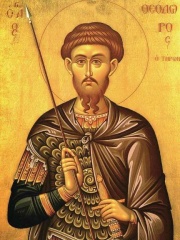
Theodore of Amasea
RELIGIOUS FIGURE
300 - 306
HPI: 75.01
Rank: 164
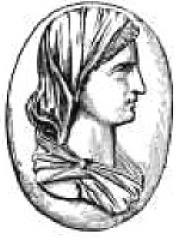
Marcion of Sinope
RELIGIOUS FIGURE
85 - 160
HPI: 75.01
Rank: 165
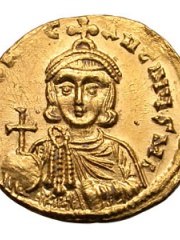
Constantine V
POLITICIAN
718 - 775
HPI: 75.00
Rank: 166
Nikephoros II Phokas
POLITICIAN
912 - 969
HPI: 74.99
Rank: 167
Andromache
POLITICIAN
HPI: 74.97
Rank: 168
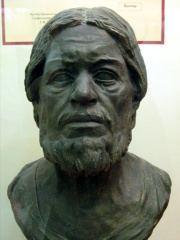
Samuel of Bulgaria
POLITICIAN
958 - 1014
HPI: 74.85
Rank: 169
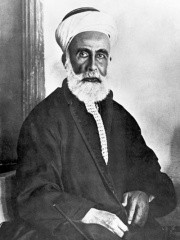
Hussein bin Ali, Sharif of Mecca
POLITICIAN
1853 - 1931
HPI: 74.81
Rank: 170
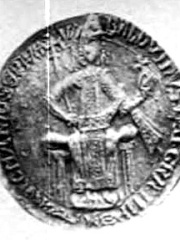
Baldwin II, Latin Emperor
POLITICIAN
1217 - 1273
HPI: 74.80
Rank: 171
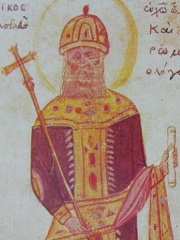
Andronikos II Palaiologos
POLITICIAN
1259 - 1332
HPI: 74.80
Rank: 172
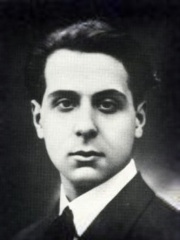
Giorgos Seferis
WRITER
1900 - 1971
HPI: 74.75
Rank: 173
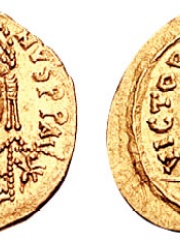
Justin II
POLITICIAN
520 - 578
HPI: 74.70
Rank: 174
Among Polityks In Türkiye
Among polityks born in Türkiye, Andromache ranks 91. Before her are Constantine IX Monomachos (1000), Şehzade Cihangir (1531), Leo VI the Wise (866), Balbinus (178), Constantine V (718), and Nikephoros II Phokas (912). After her are Samuel of Bulgaria (958), Hussein bin Ali, Sharif of Mecca (1853), Baldwin II, Latin Emperor (1217), Andronikos II Palaiologos (1259), Justin II (520), and Alaeddin Pasha (1250).
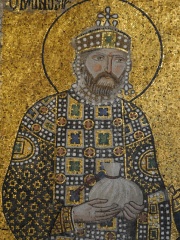
Constantine IX Monomachos
1000 - 1055
HPI: 75.24
Rank: 85
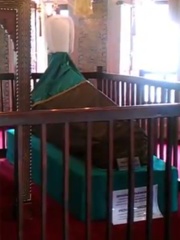
Şehzade Cihangir
1531 - 1553
HPI: 75.22
Rank: 86
Leo VI the Wise
866 - 912
HPI: 75.15
Rank: 87
Balbinus
178 - 238
HPI: 75.09
Rank: 88
Constantine V
718 - 775
HPI: 75.00
Rank: 89
Nikephoros II Phokas
912 - 969
HPI: 74.99
Rank: 90
Andromache
HPI: 74.97
Rank: 91
Samuel of Bulgaria
958 - 1014
HPI: 74.85
Rank: 92
Hussein bin Ali, Sharif of Mecca
1853 - 1931
HPI: 74.81
Rank: 93
Baldwin II, Latin Emperor
1217 - 1273
HPI: 74.80
Rank: 94
Andronikos II Palaiologos
1259 - 1332
HPI: 74.80
Rank: 95
Justin II
520 - 578
HPI: 74.70
Rank: 96
Alaeddin Pasha
1250 - 1330
HPI: 74.62
Rank: 97