Polityk
An Lushan
702 - 757
PL.WIKIPEDIA PAGE VIEWS (PV)
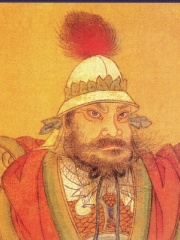
 An Lushan
An Lushan (ur. ok. 703, zm. 757) – przywódca rebelii w Chinach skierowanej przeciwko władcom z dynastii Tang. Czytaj więcej w Wikipedii
Jego biografia jest dostępna w 37 różnych językach w Wikipedii (wzrost z 35 w 2024 roku). An Lushan jest 1758. najpopularniejszym polityk (spadek z 1386. w 2024 roku), 107. najpopularniejszą biografią Chiny (spadek z 93. w 2019 roku) oraz 68. najpopularniejszym polityk Chiny.
Memorability Metrics
Page views of An Lushan by language
Among Polityks
Among polityks, An Lushan ranks 1,758 out of 19,576. Before him are Conradin, Alcide De Gasperi, Anna Jagiellon, Inge I of Norway, Zayed bin Sultan Al Nahyan, and Hiero II of Syracuse. After him are Giorgia Meloni, Isaac I Komnenos, Gurbanguly Berdimuhamedow, Choi Kyu-hah, Porfirio Díaz, and Catherine Cornaro.
Most Popular Polityks in Wikipedia
Go to all Rankings
Conradin
1252 - 1268
HPI: 73.02
Rank: 1,753
Alcide De Gasperi
1881 - 1954
HPI: 73.02
Rank: 1,754
Anna Jagiellon
1523 - 1596
HPI: 73.00
Rank: 1,755
Inge I of Norway
1135 - 1161
HPI: 73.00
Rank: 1,756
Zayed bin Sultan Al Nahyan
1918 - 2004
HPI: 73.00
Rank: 1,757
Hiero II of Syracuse
308 BC - 215 BC
HPI: 73.00
Rank: 1,758
An Lushan
702 - 757
HPI: 72.99
Rank: 1,759

Giorgia Meloni
1977 - Present
HPI: 72.99
Rank: 1,760
Isaac I Komnenos
1007 - 1060
HPI: 72.98
Rank: 1,761
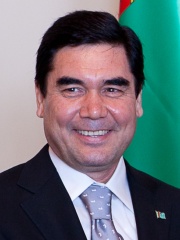
Gurbanguly Berdimuhamedow
1957 - Present
HPI: 72.98
Rank: 1,762
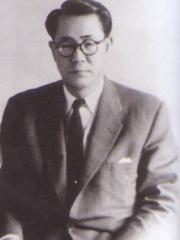
Choi Kyu-hah
1919 - 2006
HPI: 72.98
Rank: 1,763
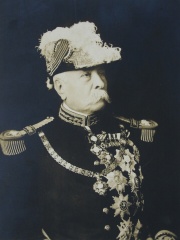
Porfirio Díaz
1830 - 1915
HPI: 72.98
Rank: 1,764
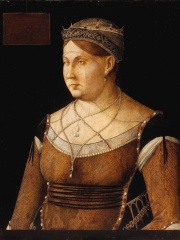
Catherine Cornaro
1454 - 1510
HPI: 72.97
Rank: 1,765

Contemporaries
Among people born in 702, An Lushan ranks 2. Before him is Ja'far al-Sadiq. Among people deceased in 757, An Lushan ranks 2. Before him is Pope Stephen II. After him are Alfonso I of Asturias, Æthelbald of Mercia, and Jayavarman I.
Others Born in 702
Go to all Rankings
Others Deceased in 757
Go to all Rankings
Pope Stephen II
RELIGIOUS FIGURE
715 - 757
HPI: 74.00
Rank: 1
An Lushan
POLITICIAN
702 - 757
HPI: 72.99
Rank: 2
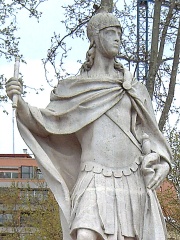
Alfonso I of Asturias
POLITICIAN
693 - 757
HPI: 69.03
Rank: 3

Æthelbald of Mercia
POLITICIAN
700 - 757
HPI: 61.36
Rank: 4

Jayavarman I
POLITICIAN
700 - 757
HPI: 59.52
Rank: 5
In Chiny
Among people born in Chiny, An Lushan ranks 107 out of NaN. Before him are Yu the Great (-2123), Jiajing Emperor (1507), Yang Shangkun (1907), Emperor Taizu of Song (927), Mo Yan (1955), and I. M. Pei (1917). After him are Zhao Ziyang (1919), Li Xiannian (1909), Emperor Yang of Sui (569), Milarepa (1052), Hua Tuo (200), and Shen Kuo (1031).
Others born in Chiny
Go to all Rankings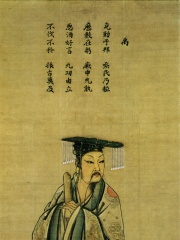
Yu the Great
POLITICIAN
2123 BC - 2055 BC
HPI: 73.28
Rank: 101
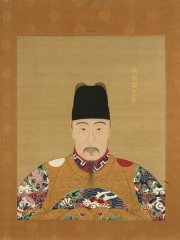
Jiajing Emperor
POLITICIAN
1507 - 1567
HPI: 73.26
Rank: 102
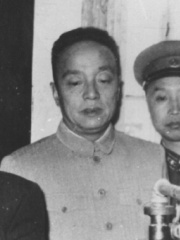
Yang Shangkun
POLITICIAN
1907 - 1998
HPI: 73.26
Rank: 103
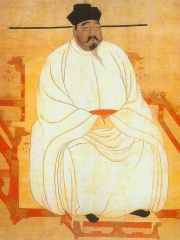
Emperor Taizu of Song
POLITICIAN
927 - 976
HPI: 73.23
Rank: 104
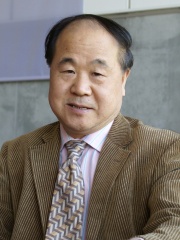
Mo Yan
WRITER
1955 - Present
HPI: 73.16
Rank: 105
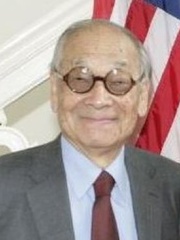
I. M. Pei
ARCHITECT
1917 - 2019
HPI: 73.13
Rank: 106
An Lushan
POLITICIAN
702 - 757
HPI: 72.99
Rank: 107
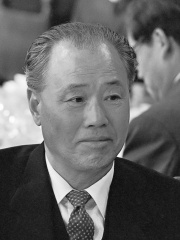
Zhao Ziyang
POLITICIAN
1919 - 2005
HPI: 72.96
Rank: 108
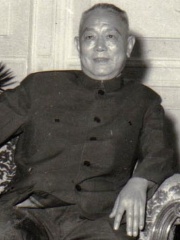
Li Xiannian
POLITICIAN
1909 - 1992
HPI: 72.63
Rank: 109
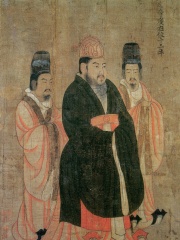
Emperor Yang of Sui
POLITICIAN
569 - 617
HPI: 72.60
Rank: 110

Milarepa
PHILOSOPHER
1052 - 1135
HPI: 72.51
Rank: 111
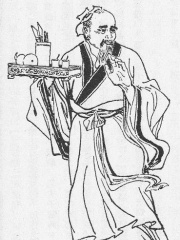
Hua Tuo
PHYSICIAN
200 - 208
HPI: 72.34
Rank: 112
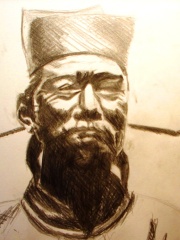
Shen Kuo
PHILOSOPHER
1031 - 1095
HPI: 72.33
Rank: 113
Among Polityks In Chiny
Among polityks born in Chiny, An Lushan ranks 68. Before him are Xianfeng Emperor (1831), Bogd Khan (1869), Yu the Great (-2123), Jiajing Emperor (1507), Yang Shangkun (1907), and Emperor Taizu of Song (927). After him are Zhao Ziyang (1919), Li Xiannian (1909), Emperor Yang of Sui (569), Ayurbarwada Buyantu Khan (1285), Emperor Xian of Han (181), and Li Zicheng (1606).
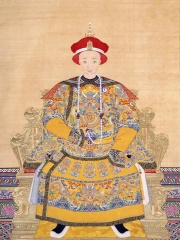
Xianfeng Emperor
1831 - 1861
HPI: 73.41
Rank: 62
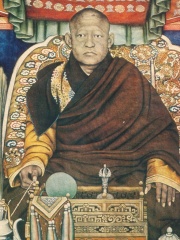
Bogd Khan
1869 - 1924
HPI: 73.38
Rank: 63
Yu the Great
2123 BC - 2055 BC
HPI: 73.28
Rank: 64
Jiajing Emperor
1507 - 1567
HPI: 73.26
Rank: 65
Yang Shangkun
1907 - 1998
HPI: 73.26
Rank: 66
Emperor Taizu of Song
927 - 976
HPI: 73.23
Rank: 67
An Lushan
702 - 757
HPI: 72.99
Rank: 68
Zhao Ziyang
1919 - 2005
HPI: 72.96
Rank: 69
Li Xiannian
1909 - 1992
HPI: 72.63
Rank: 70
Emperor Yang of Sui
569 - 617
HPI: 72.60
Rank: 71
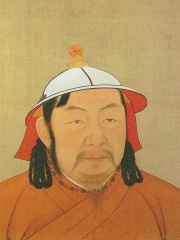
Ayurbarwada Buyantu Khan
1285 - 1320
HPI: 72.27
Rank: 72
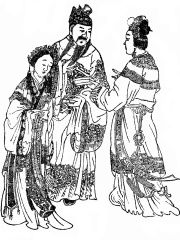
Emperor Xian of Han
181 - 234
HPI: 72.15
Rank: 73
Li Zicheng
1606 - 1645
HPI: 72.12
Rank: 74