Pisarz
Amos Oz
1939 - 2018
PL.WIKIPEDIA PAGE VIEWS (PV)
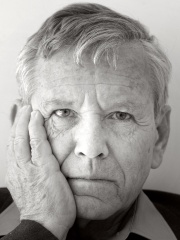
 Amos Oz
Jego biografia jest dostępna w 53 różnych językach w Wikipedii. Amos Oz jest 345. najpopularniejszym pisarz (spadek z 265. w 2024 roku), 52. najpopularniejszą biografią Izrael (spadek z 46. w 2019 roku) oraz 2. najpopularniejszym pisarz Izrael.
Memorability Metrics
Page views of Amos Oz by language
Among Pisarzs
Among pisarzs, Amos Oz ranks 345 out of 7,302. Before him are Ève Curie, Svetlana Alliluyeva, Maurice Leblanc, Arion, Archilochus, and Mikhail Lermontov. After him are Eyvind Johnson, Paul Valéry, Simonides of Ceos, Marguerite Duras, Peter Drucker, and Roald Dahl.
Most Popular Pisarzs in Wikipedia
Go to all Rankings
Ève Curie
1904 - 2007
HPI: 75.06
Rank: 339
Svetlana Alliluyeva
1926 - 2011
HPI: 75.06
Rank: 340
Maurice Leblanc
1864 - 1941
HPI: 75.04
Rank: 341

Arion
700 BC - 660 BC
HPI: 75.03
Rank: 342
Archilochus
680 BC - 645 BC
HPI: 75.03
Rank: 343
Mikhail Lermontov
1814 - 1841
HPI: 74.97
Rank: 344
Amos Oz
1939 - 2018
HPI: 74.93
Rank: 345
Eyvind Johnson
1900 - 1976
HPI: 74.90
Rank: 346
Paul Valéry
1871 - 1945
HPI: 74.86
Rank: 347
Simonides of Ceos
556 BC - 468 BC
HPI: 74.84
Rank: 348
Marguerite Duras
1914 - 1996
HPI: 74.83
Rank: 349
Peter Drucker
1909 - 2005
HPI: 74.82
Rank: 350
Roald Dahl
1916 - 1990
HPI: 74.78
Rank: 351

Contemporaries
Among people born in 1939, Amos Oz ranks 12. Before him are Ian McKellen, Lee Harvey Oswald, Stanislav Petrov, Gro Harlem Brundtland, Peter Grünberg, and Giovanni Trapattoni. After him are Amanda Lear, Harvey Keitel, Giovanni Falcone, Ada Yonath, Zviad Gamsakhurdia, and Reuven Rivlin. Among people deceased in 2018, Amos Oz ranks 18. Before him are Stan Lee, Miloš Forman, Joe Jackson, John Young, John Sulston, and Peter Grünberg. After him are Isao Takahata, Riccardo Giacconi, John McCain, Stephen Hillenburg, Jean-Louis Tauran, and Philip Roth.
Others Born in 1939
Go to all Rankings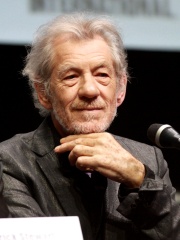
Ian McKellen
ACTOR
1939 - Present
HPI: 77.80
Rank: 6
Lee Harvey Oswald
EXTREMIST
1939 - 1963
HPI: 76.93
Rank: 7
Stanislav Petrov
MILITARY PERSONNEL
1939 - 2017
HPI: 76.92
Rank: 8
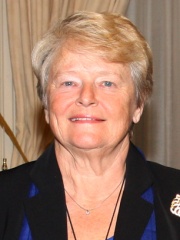
Gro Harlem Brundtland
POLITICIAN
1939 - Present
HPI: 75.32
Rank: 9
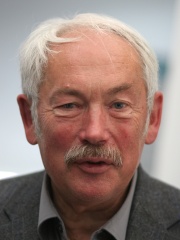
Peter Grünberg
PHYSICIST
1939 - 2018
HPI: 75.22
Rank: 10
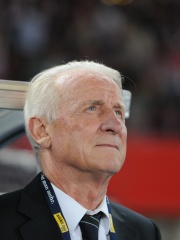
Giovanni Trapattoni
COACH
1939 - Present
HPI: 75.09
Rank: 11
Amos Oz
WRITER
1939 - 2018
HPI: 74.93
Rank: 12

Amanda Lear
SINGER
1939 - Present
HPI: 74.76
Rank: 13
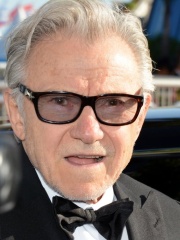
Harvey Keitel
ACTOR
1939 - Present
HPI: 74.59
Rank: 14
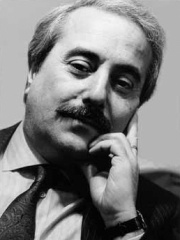
Giovanni Falcone
JUDGE
1939 - 1992
HPI: 74.41
Rank: 15
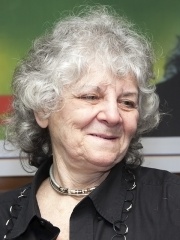
Ada Yonath
BIOLOGIST
1939 - Present
HPI: 74.00
Rank: 16
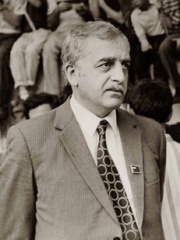
Zviad Gamsakhurdia
POLITICIAN
1939 - 1993
HPI: 73.86
Rank: 17
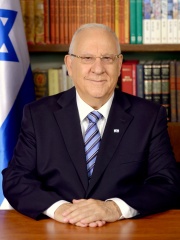
Reuven Rivlin
POLITICIAN
1939 - Present
HPI: 73.43
Rank: 18
Others Deceased in 2018
Go to all Rankings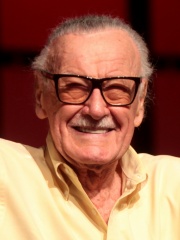
Stan Lee
COMIC ARTIST
1922 - 2018
HPI: 78.26
Rank: 12

Miloš Forman
FILM DIRECTOR
1932 - 2018
HPI: 77.43
Rank: 13
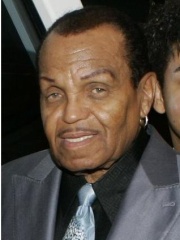
Joe Jackson
MUSICIAN
1928 - 2018
HPI: 76.31
Rank: 14
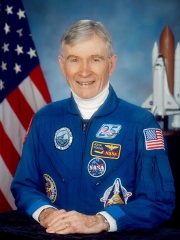
John Young
ASTRONAUT
1930 - 2018
HPI: 75.84
Rank: 15
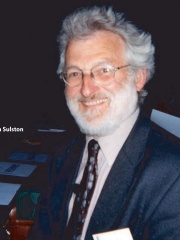
John Sulston
BIOLOGIST
1942 - 2018
HPI: 75.52
Rank: 16
Peter Grünberg
PHYSICIST
1939 - 2018
HPI: 75.22
Rank: 17
Amos Oz
WRITER
1939 - 2018
HPI: 74.93
Rank: 18

Isao Takahata
FILM DIRECTOR
1935 - 2018
HPI: 74.87
Rank: 19
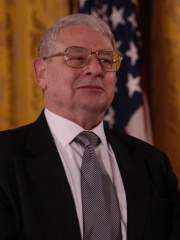
Riccardo Giacconi
ASTRONOMER
1931 - 2018
HPI: 74.70
Rank: 20
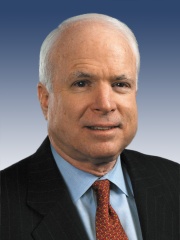
John McCain
POLITICIAN
1936 - 2018
HPI: 73.79
Rank: 21
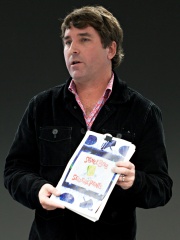
Stephen Hillenburg
FILM DIRECTOR
1961 - 2018
HPI: 73.55
Rank: 22
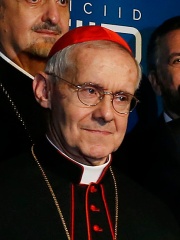
Jean-Louis Tauran
RELIGIOUS FIGURE
1943 - 2018
HPI: 73.42
Rank: 23
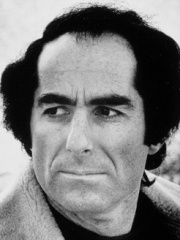
Philip Roth
WRITER
1933 - 2018
HPI: 73.35
Rank: 24
In Izrael
Among people born in Izrael, Amos Oz ranks 52 out of NaN. Before him are Nehemiah (-490), William of Tyre (1130), Hezekiah (-800), Simeon (null), Judas Maccabeus (-200), and Daniel Kahneman (1934). After him are Dinah (-1700), Herodias (-100), Barabbas (1), Ada Yonath (1939), Ehud Olmert (1945), and Ehud Barak (1942).
Others born in Izrael
Go to all Rankings
Nehemiah
RELIGIOUS FIGURE
490 BC - 403 BC
HPI: 75.88
Rank: 46
William of Tyre
HISTORIAN
1130 - 1186
HPI: 75.84
Rank: 47
Hezekiah
POLITICIAN
800 BC - 697 BC
HPI: 75.72
Rank: 48
Simeon
RELIGIOUS FIGURE
HPI: 75.45
Rank: 49
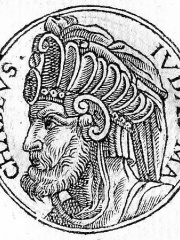
Judas Maccabeus
RELIGIOUS FIGURE
200 BC - 160 BC
HPI: 75.31
Rank: 50
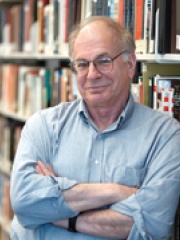
Daniel Kahneman
PSYCHOLOGIST
1934 - 2024
HPI: 75.25
Rank: 51
Amos Oz
WRITER
1939 - 2018
HPI: 74.93
Rank: 52
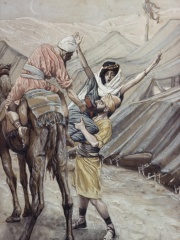
Dinah
COMPANION
1700 BC - 1590 BC
HPI: 74.91
Rank: 53
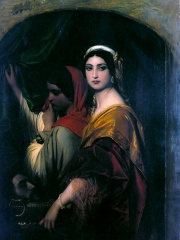
Herodias
NOBLEMAN
100 BC - 100
HPI: 74.71
Rank: 54
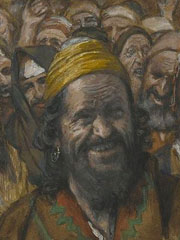
Barabbas
RELIGIOUS FIGURE
1 - 100
HPI: 74.66
Rank: 55
Ada Yonath
BIOLOGIST
1939 - Present
HPI: 74.00
Rank: 56
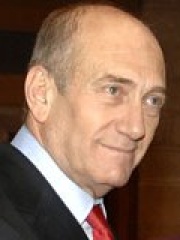
Ehud Olmert
POLITICIAN
1945 - Present
HPI: 73.70
Rank: 57
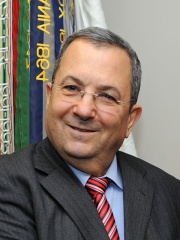
Ehud Barak
POLITICIAN
1942 - Present
HPI: 73.69
Rank: 58
Among Pisarzs In Izrael
Among pisarzs born in Izrael, Amos Oz ranks 2. Before him are John the Evangelist (10). After him are Mahmoud Darwish (1941), Edward Said (1935), Ghassan Kanafani (1936), David Grossman (1954), A. B. Yehoshua (1936), Emile Habibi (1922), Justus of Tiberias (35), Ahron Daum (1951), May Ziade (1886), and Etgar Keret (1967).
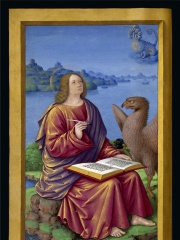
John the Evangelist
10 - 100
HPI: 77.45
Rank: 1
Amos Oz
1939 - 2018
HPI: 74.93
Rank: 2
Mahmoud Darwish
1941 - 2008
HPI: 73.27
Rank: 3
Edward Said
1935 - 2003
HPI: 73.06
Rank: 4

Ghassan Kanafani
1936 - 1972
HPI: 68.23
Rank: 5
David Grossman
1954 - Present
HPI: 67.54
Rank: 6

A. B. Yehoshua
1936 - 2022
HPI: 64.76
Rank: 7
Emile Habibi
1922 - 1996
HPI: 62.58
Rank: 8

Justus of Tiberias
35 - 100
HPI: 60.79
Rank: 9
Ahron Daum
1951 - 2018
HPI: 60.63
Rank: 10
May Ziade
1886 - 1941
HPI: 60.62
Rank: 11
Etgar Keret
1967 - Present
HPI: 58.82
Rank: 12