Piłkarz
Alex Telles
1992 - obecnie
PL.WIKIPEDIA PAGE VIEWS (PV)
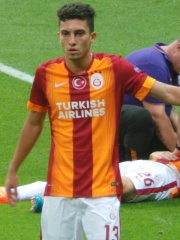
 Alex Telles
Alex Nicolao Telles (ur. 15 grudnia 1992 w Caxias do Sul) – brazylijski piłkarz, występujący na pozycji obrońcy w reprezentacji Brazylii. Uczestnik Mistrzostw Świata 2022. Czytaj więcej w Wikipedii
Jego biografia jest dostępna w 42 różnych językach w Wikipedii (wzrost z 40 w 2024 roku). Alex Telles jest 3513. najpopularniejszym piłkarz (spadek z 2887. w 2024 roku), 638. najpopularniejszą biografią Brazylia (spadek z 564. w 2019 roku) oraz 325. najpopularniejszym piłkarz Brazylia.
Memorability Metrics
Page views of Alex Telles by language
Among Piłkarzs
Among piłkarzs, Alex Telles ranks 3,513 out of 21,273. Before him are Matthias Heidemann, Eduardo Astengo, Eugen Walaschek, Bogdan Stelea, Ahmed Hassan, and Kei Sugimoto. After him are Carlos Kameni, Ardico Magnini, Roy Bentley, César Ruminski, Ilie Balaci, and Willy Kernen.
Most Popular Piłkarzs in Wikipedia
Go to all Rankings

Matthias Heidemann
1912 - 1970
HPI: 55.12
Rank: 3,512
Eduardo Astengo
1909 - 1979
HPI: 55.12
Rank: 3,513
Eugen Walaschek
1917 - 2007
HPI: 55.12
Rank: 3,514
Bogdan Stelea
1967 - Present
HPI: 55.11
Rank: 3,515
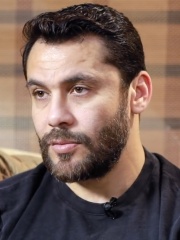
Ahmed Hassan
1975 - Present
HPI: 55.11
Rank: 3,516

Kei Sugimoto
1982 - Present
HPI: 55.11
Rank: 3,517
Alex Telles
1992 - Present
HPI: 55.11
Rank: 3,518
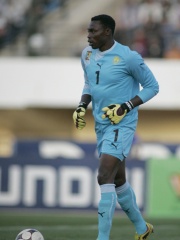
Carlos Kameni
1984 - Present
HPI: 55.11
Rank: 3,519

Ardico Magnini
1928 - 2020
HPI: 55.11
Rank: 3,520

Roy Bentley
1924 - 2018
HPI: 55.11
Rank: 3,521

César Ruminski
1924 - 2009
HPI: 55.11
Rank: 3,522
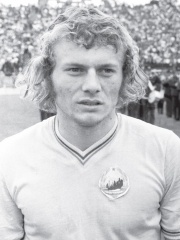
Ilie Balaci
1956 - 2018
HPI: 55.11
Rank: 3,523
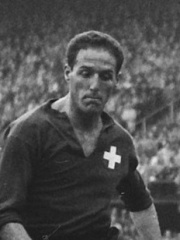
Willy Kernen
1929 - 2009
HPI: 55.10
Rank: 3,524

Contemporaries
Among people born in 1992, Alex Telles ranks 59. Before him are Mehdi Taremi, Haris Seferović, Hyuna, Dilraba Dilmurat, Stefan de Vrij, and Demet Özdemir. After him are Joji, Takamasa Yamazaki, Ricardo Rodríguez, Elaine Thompson, Ahmed Musa, and Alberto Moreno.
Others Born in 1992
Go to all Rankings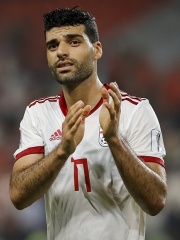
Mehdi Taremi
SOCCER PLAYER
1992 - Present
HPI: 55.57
Rank: 53

Haris Seferović
SOCCER PLAYER
1992 - Present
HPI: 55.42
Rank: 54

Hyuna
SINGER
1992 - Present
HPI: 55.37
Rank: 55

Dilraba Dilmurat
ACTOR
1992 - Present
HPI: 55.32
Rank: 56
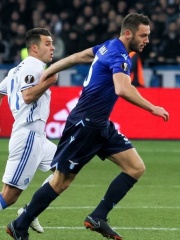
Stefan de Vrij
SOCCER PLAYER
1992 - Present
HPI: 55.30
Rank: 57

Demet Özdemir
ACTOR
1992 - Present
HPI: 55.27
Rank: 58
Alex Telles
SOCCER PLAYER
1992 - Present
HPI: 55.11
Rank: 59

Joji
SINGER
1992 - Present
HPI: 55.00
Rank: 60

Takamasa Yamazaki
SOCCER PLAYER
1992 - Present
HPI: 54.70
Rank: 61
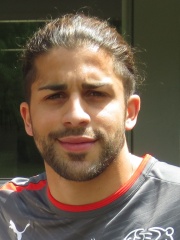
Ricardo Rodríguez
SOCCER PLAYER
1992 - Present
HPI: 54.42
Rank: 62

Elaine Thompson
ATHLETE
1992 - Present
HPI: 54.30
Rank: 63

Ahmed Musa
SOCCER PLAYER
1992 - Present
HPI: 54.21
Rank: 64

Alberto Moreno
SOCCER PLAYER
1992 - Present
HPI: 54.15
Rank: 65
In Brazylia
Among people born in Brazylia, Alex Telles ranks 638 out of NaN. Before him are Giovanni Silva de Oliveira (1972), Fernando Haddad (1963), Carlos Alberto Dias (1967), Adãozinho (1923), Michel Teló (1981), and Jaime Spengler (1960). After him are Nariz (1912), Marcelinho Carioca (1971), Betinho (1966), Walter (1912), Toninho (1948), and Márcio Melo (1906).
Others born in Brazylia
Go to all Rankings
Giovanni Silva de Oliveira
SOCCER PLAYER
1972 - Present
HPI: 55.22
Rank: 632

Fernando Haddad
POLITICIAN
1963 - Present
HPI: 55.19
Rank: 633

Carlos Alberto Dias
SOCCER PLAYER
1967 - Present
HPI: 55.15
Rank: 634

Adãozinho
SOCCER PLAYER
1923 - 1991
HPI: 55.14
Rank: 635

Michel Teló
SINGER
1981 - Present
HPI: 55.12
Rank: 636

Jaime Spengler
RELIGIOUS FIGURE
1960 - Present
HPI: 55.11
Rank: 637
Alex Telles
SOCCER PLAYER
1992 - Present
HPI: 55.11
Rank: 638

Nariz
SOCCER PLAYER
1912 - 1984
HPI: 55.05
Rank: 639

Marcelinho Carioca
SOCCER PLAYER
1971 - Present
HPI: 55.04
Rank: 640

Betinho
COACH
1966 - Present
HPI: 55.04
Rank: 641

Walter
SOCCER PLAYER
1912 - 1951
HPI: 55.01
Rank: 642

Toninho
SOCCER PLAYER
1948 - 1999
HPI: 55.00
Rank: 643

Márcio Melo
MILITARY PERSONNEL
1906 - 1991
HPI: 54.99
Rank: 644
Among Piłkarzs In Brazylia
Among piłkarzs born in Brazylia, Alex Telles ranks 325. Before him are José dos Santos Lopes (1910), Naldo (1982), Elano (1981), Giovanni Silva de Oliveira (1972), Carlos Alberto Dias (1967), and Adãozinho (1923). After him are Nariz (1912), Marcelinho Carioca (1971), Walter (1912), Toninho (1948), Joel Santana (1948), and Luiz Vinhaes (1896).

José dos Santos Lopes
1910 - 1996
HPI: 55.25
Rank: 319

Naldo
1982 - Present
HPI: 55.24
Rank: 320

Elano
1981 - Present
HPI: 55.23
Rank: 321
Giovanni Silva de Oliveira
1972 - Present
HPI: 55.22
Rank: 322
Carlos Alberto Dias
1967 - Present
HPI: 55.15
Rank: 323
Adãozinho
1923 - 1991
HPI: 55.14
Rank: 324
Alex Telles
1992 - Present
HPI: 55.11
Rank: 325
Nariz
1912 - 1984
HPI: 55.05
Rank: 326
Marcelinho Carioca
1971 - Present
HPI: 55.04
Rank: 327
Walter
1912 - 1951
HPI: 55.01
Rank: 328
Toninho
1948 - 1999
HPI: 55.00
Rank: 329

Joel Santana
1948 - Present
HPI: 54.99
Rank: 330
Luiz Vinhaes
1896 - 1960
HPI: 54.97
Rank: 331