Politicus
Sisebut
565 - 621
NL.WIKIPEDIA PAGE VIEWS (PV)
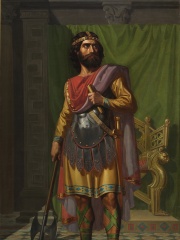
 Sisebut
Zijn biografie is beschikbaar in 31 verschillende talen op Wikipedia. Sisebut staat op plaats 5.193 onder de meest populaire politicus (gedaald van plaats 4.405 in 2024), plaats 430 onder de meest populaire biografieën uit Spanje (gedaald van plaats 391 in 2019) en op plaats 156 onder de populairste politicus uit Spanje.
Memorability Metrics
Page views of Sisebut by language
Among Politicuses
Among politicuses, Sisebut ranks 5,193 out of 19,576. Before him are Jigme Dorji Wangchuck, Marcus Aemilius Lepidus, Michael Jeffery, Mihailo Obrenović, Franz Gürtner, and John, Constable of Portugal. After him are Peire de Montagut, George, Margrave of Brandenburg-Ansbach, Ian Smith, Machaon, Musa of Parthia, and Ibbi-Sin.
Most Popular Politicuses in Wikipedia
Go to all Rankings
Jigme Dorji Wangchuck
1929 - 1972
HPI: 66.30
Rank: 5,189

Marcus Aemilius Lepidus
120 BC - 77 BC
HPI: 66.30
Rank: 5,190
Michael Jeffery
1937 - 2020
HPI: 66.30
Rank: 5,191
Mihailo Obrenović
1823 - 1868
HPI: 66.30
Rank: 5,192
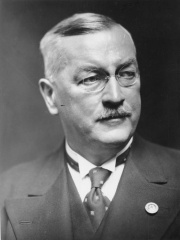
Franz Gürtner
1881 - 1941
HPI: 66.30
Rank: 5,193
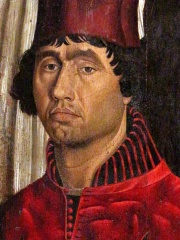
John, Constable of Portugal
1400 - 1442
HPI: 66.30
Rank: 5,194
Sisebut
565 - 621
HPI: 66.30
Rank: 5,195

Peire de Montagut
1200 - 1232
HPI: 66.30
Rank: 5,196
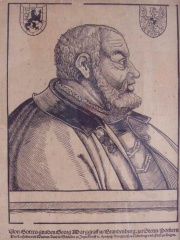
George, Margrave of Brandenburg-Ansbach
1484 - 1543
HPI: 66.30
Rank: 5,197
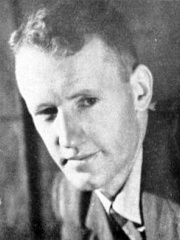
Ian Smith
1919 - 2007
HPI: 66.29
Rank: 5,198

Machaon
HPI: 66.29
Rank: 5,199
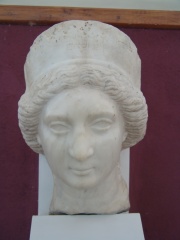
Musa of Parthia
40 BC - 20
HPI: 66.29
Rank: 5,200
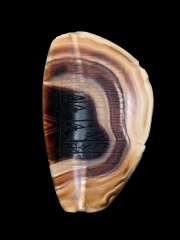
Ibbi-Sin
2050 BC - Present
HPI: 66.29
Rank: 5,201

Contemporaries
Among people born in 565, Sisebut ranks 1. After him are Jinpyeong of Silla, and Sergius I of Constantinople. Among people deceased in 621, Sisebut ranks 1. After him are Reccared II, Malo, and John of Biclaro.
Others Born in 565
Go to all RankingsSisebut
POLITICIAN
565 - 621
HPI: 66.30
Rank: 1
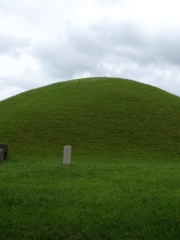
Jinpyeong of Silla
POLITICIAN
565 - 632
HPI: 65.29
Rank: 2

Sergius I of Constantinople
POLITICIAN
565 - 638
HPI: 64.27
Rank: 3
Others Deceased in 621
Go to all RankingsSisebut
POLITICIAN
565 - 621
HPI: 66.30
Rank: 1
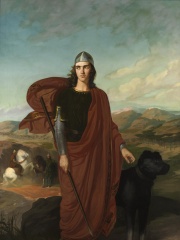
Reccared II
POLITICIAN
650 - 621
HPI: 64.84
Rank: 2
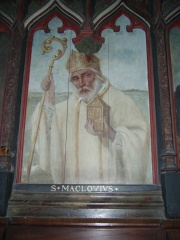
Malo
RELIGIOUS FIGURE
487 - 621
HPI: 61.92
Rank: 3

John of Biclaro
RELIGIOUS FIGURE
540 - 621
HPI: 60.19
Rank: 4
In Spanje
Among people born in Spanje, Sisebut ranks 430 out of NaN. Before him are Pánfilo de Narváez (1478), Quini (1949), Princess Marie Isabelle of Orléans (1848), Josep Samitier (1902), Ruy González de Clavijo (1400), and Leander of Seville (534). After him are Miguel Induráin (1964), Ordoño III of León (926), Juan, Count of Montizón (1822), Bermudo II of León (953), Francisco Pacheco (1564), and Juan de Grijalva (1480).
Others born in Spanje
Go to all Rankings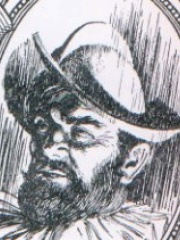
Pánfilo de Narváez
EXPLORER
1478 - 1528
HPI: 66.34
Rank: 424

Quini
SOCCER PLAYER
1949 - 2018
HPI: 66.34
Rank: 425
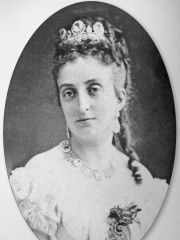
Princess Marie Isabelle of Orléans
POLITICIAN
1848 - 1919
HPI: 66.32
Rank: 426
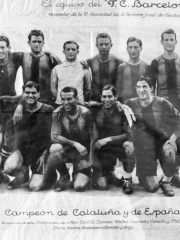
Josep Samitier
SOCCER PLAYER
1902 - 1972
HPI: 66.32
Rank: 427

Ruy González de Clavijo
WRITER
1400 - 1412
HPI: 66.30
Rank: 428
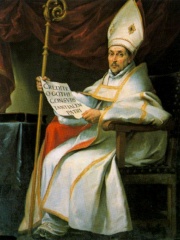
Leander of Seville
PHYSICIAN
534 - 600
HPI: 66.30
Rank: 429
Sisebut
POLITICIAN
565 - 621
HPI: 66.30
Rank: 430
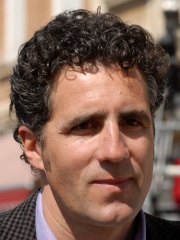
Miguel Induráin
CYCLIST
1964 - Present
HPI: 66.23
Rank: 431
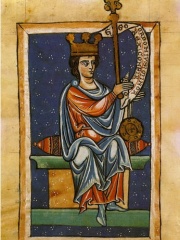
Ordoño III of León
POLITICIAN
926 - 956
HPI: 66.22
Rank: 432
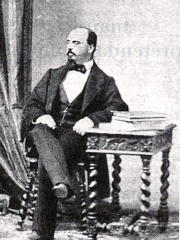
Juan, Count of Montizón
POLITICIAN
1822 - 1887
HPI: 66.22
Rank: 433
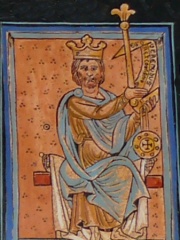
Bermudo II of León
POLITICIAN
953 - 999
HPI: 66.22
Rank: 434
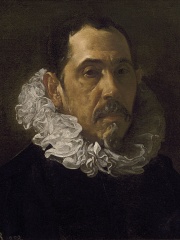
Francisco Pacheco
PAINTER
1564 - 1644
HPI: 66.20
Rank: 435
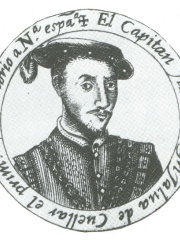
Juan de Grijalva
EXPLORER
1480 - 1527
HPI: 66.16
Rank: 436
Among Politicuses In Spanje
Among politicuses born in Spanje, Sisebut ranks 156. Before him are Fruela I of Asturias (722), Theudis (470), García II of Galicia (1042), García Sánchez I of Pamplona (919), Sancho VII of Navarre (1154), and Princess Marie Isabelle of Orléans (1848). After him are Ordoño III of León (926), Juan, Count of Montizón (1822), Bermudo II of León (953), Egica (610), Anne Hidalgo (1959), and Alfonso IV of León (890).
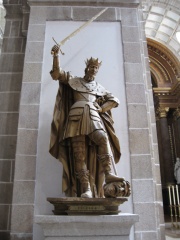
Fruela I of Asturias
722 - 768
HPI: 66.63
Rank: 150
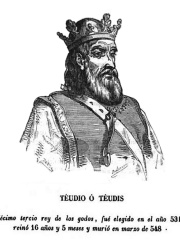
Theudis
470 - 548
HPI: 66.57
Rank: 151
García II of Galicia
1042 - 1090
HPI: 66.54
Rank: 152
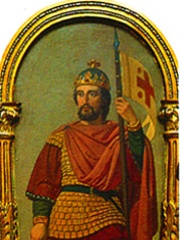
García Sánchez I of Pamplona
919 - 970
HPI: 66.43
Rank: 153
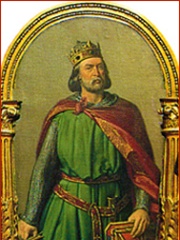
Sancho VII of Navarre
1154 - 1234
HPI: 66.36
Rank: 154
Princess Marie Isabelle of Orléans
1848 - 1919
HPI: 66.32
Rank: 155
Sisebut
565 - 621
HPI: 66.30
Rank: 156
Ordoño III of León
926 - 956
HPI: 66.22
Rank: 157
Juan, Count of Montizón
1822 - 1887
HPI: 66.22
Rank: 158
Bermudo II of León
953 - 999
HPI: 66.22
Rank: 159
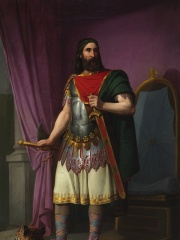
Egica
610 - 702
HPI: 66.14
Rank: 160
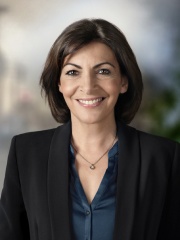
Anne Hidalgo
1959 - Present
HPI: 66.14
Rank: 161
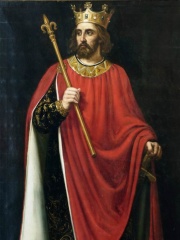
Alfonso IV of León
890 - 933
HPI: 66.05
Rank: 162