Politicus
Shepseskaf
2600 BC - 2499 BC
NL.WIKIPEDIA PAGE VIEWS (PV)
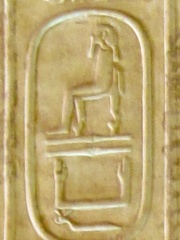
 Shepseskaf
Zijn biografie is beschikbaar in 43 verschillende talen op Wikipedia (toegenomen van 41 in 2024). Shepseskaf staat op plaats 2.335 onder de meest populaire politicus (gedaald van plaats 1.726 in 2024), plaats 125 onder de meest populaire biografieën uit Egypte (gedaald van plaats 107 in 2019) en op plaats 56 onder de populairste politicus uit Egypte.
Memorability Metrics
Page views of Shepseskaf by language
Among Politicuses
Among politicuses, Shepseskaf ranks 2,335 out of 19,576. Before him are Mikheil Saakashvili, Andrey Vyshinsky, Charles Emmanuel IV of Sardinia, Arbogast, Evo Morales, and Ziying. After him are Anchises, Manasseh, Kitbuqa, Gaston Doumergue, William II of Holland, and Peter Carington, 6th Baron Carrington.
Most Popular Politicuses in Wikipedia
Go to all Rankings

Mikheil Saakashvili
1967 - Present
HPI: 71.33
Rank: 2,330
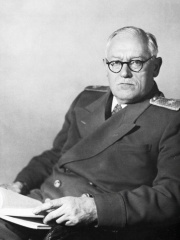
Andrey Vyshinsky
1883 - 1954
HPI: 71.33
Rank: 2,331
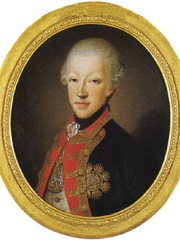
Charles Emmanuel IV of Sardinia
1751 - 1819
HPI: 71.33
Rank: 2,332

Arbogast
340 - 394
HPI: 71.32
Rank: 2,333
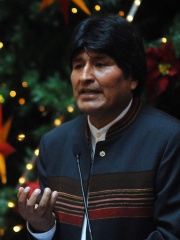
Evo Morales
1959 - Present
HPI: 71.32
Rank: 2,334
Ziying
300 BC - 206 BC
HPI: 71.31
Rank: 2,335
Shepseskaf
2600 BC - 2499 BC
HPI: 71.31
Rank: 2,336
Anchises
HPI: 71.30
Rank: 2,337
Manasseh
709 BC - Present
HPI: 71.30
Rank: 2,338

Kitbuqa
1250 - 1260
HPI: 71.30
Rank: 2,339

Gaston Doumergue
1863 - 1937
HPI: 71.29
Rank: 2,340
William II of Holland
1228 - 1256
HPI: 71.29
Rank: 2,341
Peter Carington, 6th Baron Carrington
1919 - 2018
HPI: 71.29
Rank: 2,342

Contemporaries
Among people born in 2600 BC, Shepseskaf ranks 3. Before him are Djedefre, and Userkaf. After him are Thamphthis, Hetepheres II, Khentkaus I, Meresankh III, Djedefhor, Khamerernebty II, Kawab, Nefertiabet, and Ankhhaf. Among people deceased in 2499 BC, Shepseskaf ranks 1.
Others Born in 2600 BC
Go to all Rankings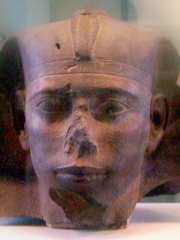
Djedefre
POLITICIAN
2600 BC - 2570 BC
HPI: 73.55
Rank: 1
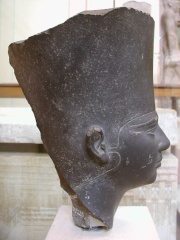
Userkaf
POLITICIAN
2600 BC - 2500 BC
HPI: 71.73
Rank: 2
Shepseskaf
POLITICIAN
2600 BC - 2499 BC
HPI: 71.31
Rank: 3

Thamphthis
POLITICIAN
2600 BC - 2560 BC
HPI: 67.79
Rank: 4
Hetepheres II
POLITICIAN
2600 BC - 2560 BC
HPI: 66.78
Rank: 5
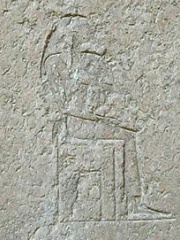
Khentkaus I
POLITICIAN
2600 BC - 2600 BC
HPI: 64.93
Rank: 6
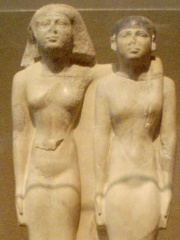
Meresankh III
POLITICIAN
2600 BC - 2600 BC
HPI: 62.08
Rank: 7

Djedefhor
POLITICIAN
2600 BC - 2600 BC
HPI: 61.88
Rank: 8
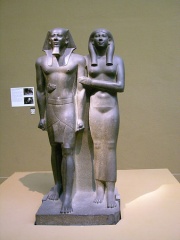
Khamerernebty II
POLITICIAN
2600 BC - 2600 BC
HPI: 60.57
Rank: 9
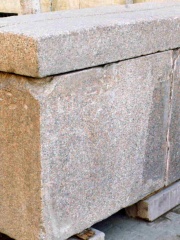
Kawab
NOBLEMAN
2600 BC - 2600 BC
HPI: 59.93
Rank: 10
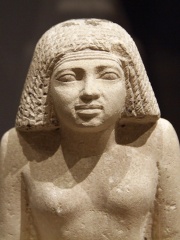
Nefertiabet
NOBLEMAN
2600 BC - Present
HPI: 59.63
Rank: 11
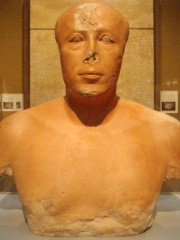
Ankhhaf
POLITICIAN
2600 BC - 2600 BC
HPI: 58.69
Rank: 12
Others Deceased in 2499 BC
Go to all RankingsIn Egypte
Among people born in Egypte, Shepseskaf ranks 125 out of NaN. Before him are Alexander Helios (-40), Userkaf (-2600), Apollos (100), Mohamed Hussein Tantawi (1935), Macarius of Egypt (300), and Abbas II of Egypt (1874). After him are Ammonius Saccas (175), Ctesibius (-284), Pope Theophilus of Alexandria (310), Apepi (-1600), Sekhemkhet (-2800), and Ibn Hajar al-‘Asqalani (1372).
Others born in Egypte
Go to all Rankings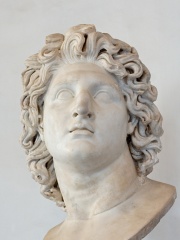
Alexander Helios
POLITICIAN
40 BC - 25 BC
HPI: 71.79
Rank: 119
Userkaf
POLITICIAN
2600 BC - 2500 BC
HPI: 71.73
Rank: 120
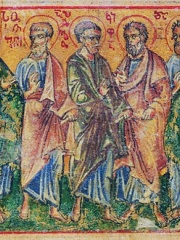
Apollos
RELIGIOUS FIGURE
100 - 100
HPI: 71.64
Rank: 121
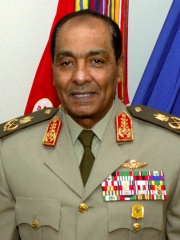
Mohamed Hussein Tantawi
POLITICIAN
1935 - 2021
HPI: 71.62
Rank: 122
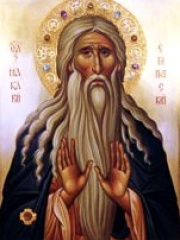
Macarius of Egypt
RELIGIOUS FIGURE
300 - 391
HPI: 71.38
Rank: 123
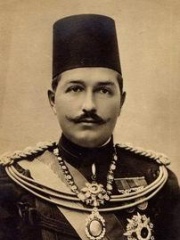
Abbas II of Egypt
POLITICIAN
1874 - 1944
HPI: 71.37
Rank: 124
Shepseskaf
POLITICIAN
2600 BC - 2499 BC
HPI: 71.31
Rank: 125

Ammonius Saccas
PHILOSOPHER
175 - 242
HPI: 71.27
Rank: 126
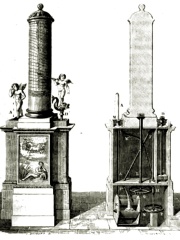
Ctesibius
MATHEMATICIAN
284 BC - 221 BC
HPI: 71.22
Rank: 127
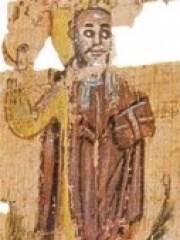
Pope Theophilus of Alexandria
RELIGIOUS FIGURE
310 - 412
HPI: 71.21
Rank: 128
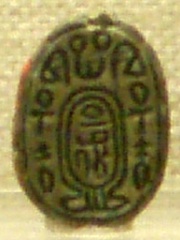
Apepi
POLITICIAN
1600 BC - 1549 BC
HPI: 71.15
Rank: 129
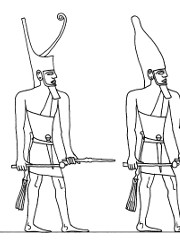
Sekhemkhet
POLITICIAN
2800 BC - 2700 BC
HPI: 71.03
Rank: 130

Ibn Hajar al-‘Asqalani
HISTORIAN
1372 - 1449
HPI: 70.98
Rank: 131
Among Politicuses In Egypte
Among politicuses born in Egypte, Shepseskaf ranks 56. Before him are Isma'il Pasha (1830), Amenhotep II (-1401), Alexander Helios (-40), Userkaf (-2600), Mohamed Hussein Tantawi (1935), and Abbas II of Egypt (1874). After him are Apepi (-1600), Sekhemkhet (-2800), Isetnofret (-1250), Shoshenq II (-1000), Al-Aziz Uthman (1171), and Nawal El Saadawi (1931).
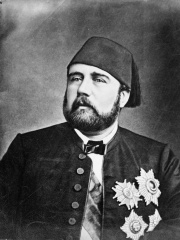
Isma'il Pasha
1830 - 1895
HPI: 71.90
Rank: 50
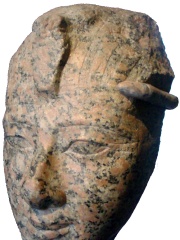
Amenhotep II
1401 BC - 1401 BC
HPI: 71.80
Rank: 51
Alexander Helios
40 BC - 25 BC
HPI: 71.79
Rank: 52
Userkaf
2600 BC - 2500 BC
HPI: 71.73
Rank: 53
Mohamed Hussein Tantawi
1935 - 2021
HPI: 71.62
Rank: 54
Abbas II of Egypt
1874 - 1944
HPI: 71.37
Rank: 55
Shepseskaf
2600 BC - 2499 BC
HPI: 71.31
Rank: 56
Apepi
1600 BC - 1549 BC
HPI: 71.15
Rank: 57
Sekhemkhet
2800 BC - 2700 BC
HPI: 71.03
Rank: 58
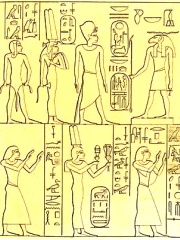
Isetnofret
1250 BC - Present
HPI: 70.91
Rank: 59
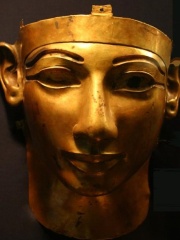
Shoshenq II
1000 BC - 889 BC
HPI: 70.68
Rank: 60

Al-Aziz Uthman
1171 - 1198
HPI: 70.51
Rank: 61
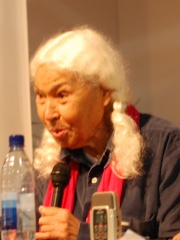
Nawal El Saadawi
1931 - 2021
HPI: 70.13
Rank: 62