Politicus
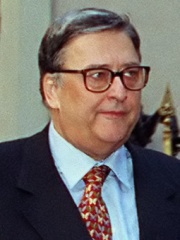
Roberto Fiore
1959 - heden
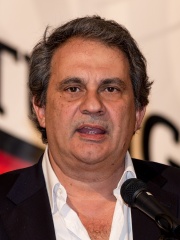

 Roberto Fiore
Zijn biografie is beschikbaar in 17 verschillende talen op Wikipedia. Roberto Fiore staat op plaats 16.453 onder de meest populaire politicus (gedaald van plaats 10.166 in 2024), plaats 4.035 onder de meest populaire biografieën uit Italië (gedaald van plaats 2.614 in 2019) en op plaats 889 onder de populairste politicus uit Italië.
Memorability Metrics
Page views of Roberto Fiore by language
Among Politicuses
Among politicuses, Roberto Fiore ranks 16,453 out of 19,576. Before him are Yekta Uzunoglu, John Campbell, 2nd Duke of Argyll, Janez Evangelist Krek, Janez Potočnik, Albert Hyzler, and Peter Struck. After him are John A. Costello, Miguel de San Román, Nabu-apla-iddina, Cory Booker, Ahmed al-Senussi, and Georg Leber.
Most Popular Politicuses in Wikipedia
Go to all Rankings
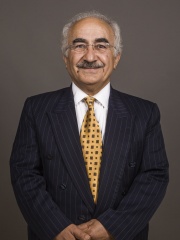
Yekta Uzunoglu
1953 - Present
HPI: 53.20
Rank: 16,454
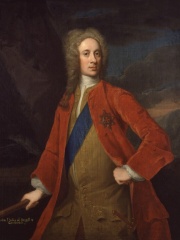
John Campbell, 2nd Duke of Argyll
1680 - 1743
HPI: 53.20
Rank: 16,455
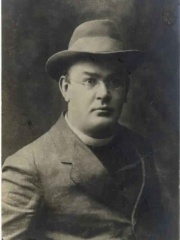
Janez Evangelist Krek
1865 - 1917
HPI: 53.20
Rank: 16,456
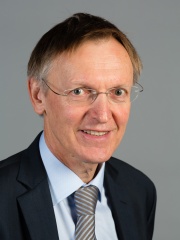
Janez Potočnik
1958 - Present
HPI: 53.20
Rank: 16,457
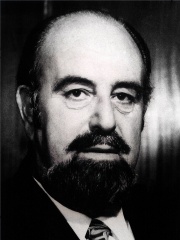
Albert Hyzler
1916 - 1993
HPI: 53.20
Rank: 16,458
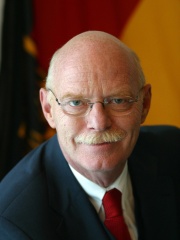
Peter Struck
1943 - 2012
HPI: 53.20
Rank: 16,459
Roberto Fiore
1959 - Present
HPI: 53.19
Rank: 16,460
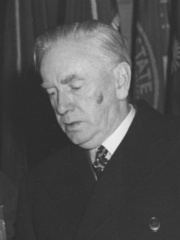
John A. Costello
1891 - 1976
HPI: 53.19
Rank: 16,461
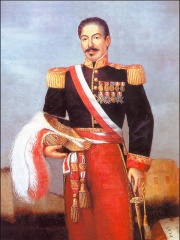
Miguel de San Román
1802 - 1863
HPI: 53.19
Rank: 16,462
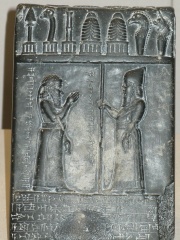
Nabu-apla-iddina
HPI: 53.18
Rank: 16,463
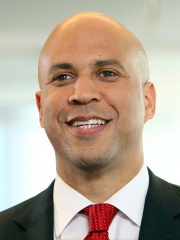
Cory Booker
1969 - Present
HPI: 53.18
Rank: 16,464
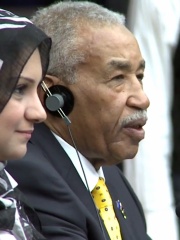
Ahmed al-Senussi
1933 - Present
HPI: 53.18
Rank: 16,465
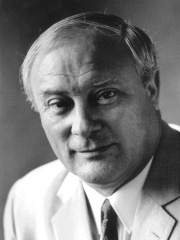
Georg Leber
1920 - 2012
HPI: 53.18
Rank: 16,466

Contemporaries
Among people born in 1959, Roberto Fiore ranks 395. Before him are Mats Näslund, Rick Carlisle, David Frankel, Abdullah bin Khalifa Al Thani, Toshio Masuda, and Erwin Olaf. After him are Gelindo Bordin, Glenn Morshower, Daniel Goldhagen, Raf, John Lauridsen, and Susanna Clarke.
Others Born in 1959
Go to all Rankings
Mats Näslund
HOCKEY PLAYER
1959 - Present
HPI: 53.27
Rank: 389

Rick Carlisle
BASKETBALL PLAYER
1959 - Present
HPI: 53.27
Rank: 390
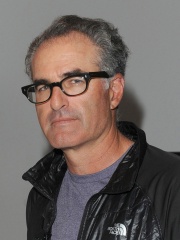
David Frankel
FILM DIRECTOR
1959 - Present
HPI: 53.26
Rank: 391

Abdullah bin Khalifa Al Thani
POLITICIAN
1959 - Present
HPI: 53.25
Rank: 392

Toshio Masuda
MUSICIAN
1959 - Present
HPI: 53.24
Rank: 393
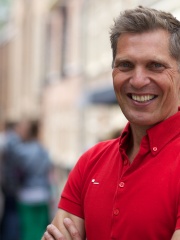
Erwin Olaf
PHOTOGRAPHER
1959 - 2023
HPI: 53.21
Rank: 394
Roberto Fiore
POLITICIAN
1959 - Present
HPI: 53.19
Rank: 395
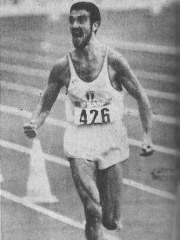
Gelindo Bordin
ATHLETE
1959 - Present
HPI: 53.18
Rank: 396
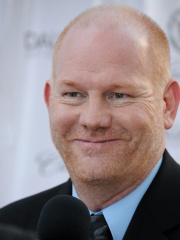
Glenn Morshower
ACTOR
1959 - Present
HPI: 53.17
Rank: 397
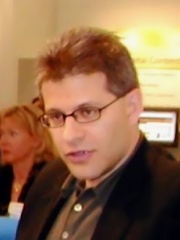
Daniel Goldhagen
WRITER
1959 - Present
HPI: 53.13
Rank: 398
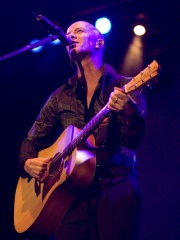
Raf
SINGER
1959 - Present
HPI: 53.10
Rank: 399
John Lauridsen
SOCCER PLAYER
1959 - Present
HPI: 53.09
Rank: 400
Susanna Clarke
WRITER
1959 - Present
HPI: 53.09
Rank: 401
In Italië
Among people born in Italië, Roberto Fiore ranks 4,036 out of NaN. Before him are Attilio Fontana (1952), Matteo Garrone (1968), Goffredo Parise (1929), Romano Bonagura (1930), Antonio Maspes (1932), and Saul Malatrasi (1938). After him are Silvio Micali (1954), Maurizio Damilano (1957), Chiara Ferragni (1987), Gelindo Bordin (1959), Luciano Ligabue (1960), and Massimo Bottura (1962).
Others born in Italië
Go to all Rankings
Attilio Fontana
POLITICIAN
1952 - Present
HPI: 53.26
Rank: 4,030
Matteo Garrone
FILM DIRECTOR
1968 - Present
HPI: 53.25
Rank: 4,031

Goffredo Parise
WRITER
1929 - 1986
HPI: 53.24
Rank: 4,032

Romano Bonagura
ATHLETE
1930 - 2010
HPI: 53.23
Rank: 4,033
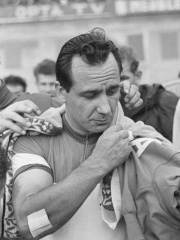
Antonio Maspes
CYCLIST
1932 - 2000
HPI: 53.22
Rank: 4,034
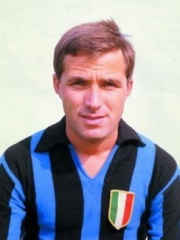
Saul Malatrasi
SOCCER PLAYER
1938 - Present
HPI: 53.21
Rank: 4,035
Roberto Fiore
POLITICIAN
1959 - Present
HPI: 53.19
Rank: 4,036
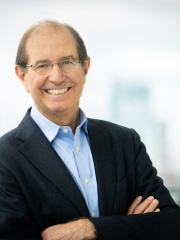
Silvio Micali
COMPUTER SCIENTIST
1954 - Present
HPI: 53.18
Rank: 4,037
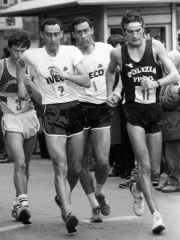
Maurizio Damilano
ATHLETE
1957 - Present
HPI: 53.18
Rank: 4,038

Chiara Ferragni
DESIGNER
1987 - Present
HPI: 53.18
Rank: 4,039
Gelindo Bordin
ATHLETE
1959 - Present
HPI: 53.18
Rank: 4,040
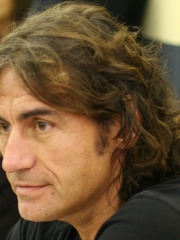
Luciano Ligabue
MUSICIAN
1960 - Present
HPI: 53.18
Rank: 4,041
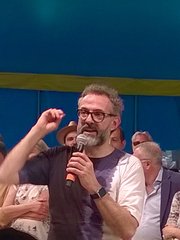
Massimo Bottura
CHEF
1962 - Present
HPI: 53.16
Rank: 4,042
Among Politicuses In Italië
Among politicuses born in Italië, Roberto Fiore ranks 889. Before him are Sicard of Benevento (null), Gaetano Martino (1900), Andrea Giani (1970), Roberto Maroni (1955), Virginia Raggi (1978), and Attilio Fontana (1952). After him are Prince Aimone, Duke of Apulia (1967), Stefano Rodotà (1933), Pier Ferdinando Casini (1955), Antonio Giolitti (1915), Gianni Alemanno (1958), and Beniamino Andreatta (1928).
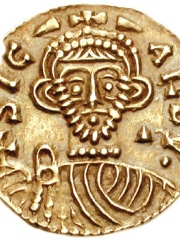
Sicard of Benevento
HPI: 53.58
Rank: 883
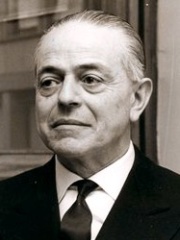
Gaetano Martino
1900 - 1967
HPI: 53.55
Rank: 884
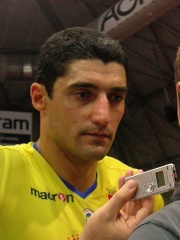
Andrea Giani
1970 - Present
HPI: 53.45
Rank: 885
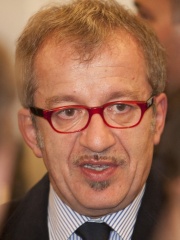
Roberto Maroni
1955 - 2022
HPI: 53.44
Rank: 886
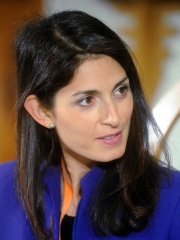
Virginia Raggi
1978 - Present
HPI: 53.35
Rank: 887
Attilio Fontana
1952 - Present
HPI: 53.26
Rank: 888
Roberto Fiore
1959 - Present
HPI: 53.19
Rank: 889
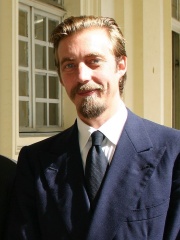
Prince Aimone, Duke of Apulia
1967 - Present
HPI: 53.00
Rank: 890
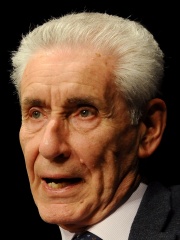
Stefano Rodotà
1933 - 2017
HPI: 52.53
Rank: 891
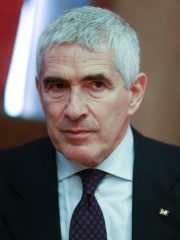
Pier Ferdinando Casini
1955 - Present
HPI: 52.37
Rank: 892
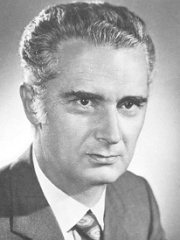
Antonio Giolitti
1915 - 2010
HPI: 52.07
Rank: 893
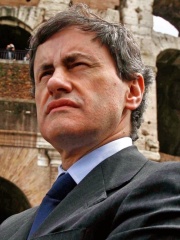
Gianni Alemanno
1958 - Present
HPI: 52.06
Rank: 894
Beniamino Andreatta
1928 - 2007
HPI: 51.81
Rank: 895