Politicus
Rexhep Meidani
1944 - heden
NL.WIKIPEDIA PAGE VIEWS (PV)
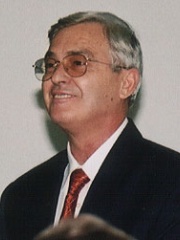
 Rexhep Meidani
Zijn biografie is beschikbaar in 41 verschillende talen op Wikipedia (toegenomen van 40 in 2024). Rexhep Meidani staat op plaats 5.016 onder de meest populaire politicus (gestegen van plaats 5.032 in 2024), plaats 28 onder de meest populaire biografieën uit Albanië (gedaald van plaats 26 in 2019) en op plaats 24 onder de populairste politicus uit Albanië.
Memorability Metrics
Page views of Rexhep Meidani by language
Among Politicuses
Among politicuses, Rexhep Meidani ranks 5,016 out of 19,576. Before him are Eraric, Vladimir of Bulgaria, García II of Galicia, Faustin-Archange Touadéra, Princess Friederike of Brandenburg-Schwedt, and Piali Pasha. After him are Prince Ferdinand of Saxe-Coburg and Gotha, Wazir Akbar Khan, Treniota, Emperor Ku, John Russell, 1st Earl Russell, and Margaret of York.
Most Popular Politicuses in Wikipedia
Go to all Rankings

Eraric
450 - 541
HPI: 66.54
Rank: 5,012
Vladimir of Bulgaria
850 - 893
HPI: 66.54
Rank: 5,013
García II of Galicia
1042 - 1090
HPI: 66.54
Rank: 5,014
Faustin-Archange Touadéra
1957 - Present
HPI: 66.54
Rank: 5,015
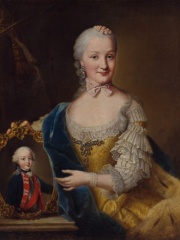
Princess Friederike of Brandenburg-Schwedt
1736 - 1798
HPI: 66.54
Rank: 5,016
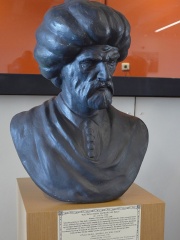
Piali Pasha
1515 - 1578
HPI: 66.54
Rank: 5,017
Rexhep Meidani
1944 - Present
HPI: 66.54
Rank: 5,018
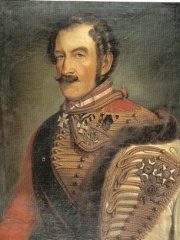
Prince Ferdinand of Saxe-Coburg and Gotha
1785 - 1851
HPI: 66.54
Rank: 5,019
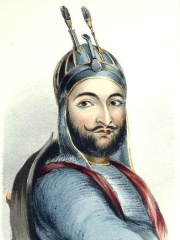
Wazir Akbar Khan
1816 - 1845
HPI: 66.54
Rank: 5,020
Treniota
1210 - 1264
HPI: 66.54
Rank: 5,021
Emperor Ku
HPI: 66.54
Rank: 5,022
John Russell, 1st Earl Russell
1792 - 1878
HPI: 66.54
Rank: 5,023
Margaret of York
1446 - 1503
HPI: 66.53
Rank: 5,024

Contemporaries
Among people born in 1944, Rexhep Meidani ranks 127. Before him are Jan Guillou, Michael Nyman, Geneviève Grad, Günter Netzer, Ram Chandra Poudel, and Ren Zhengfei. After him are Salmaan Taseer, Leila Khaled, Seán Patrick O'Malley, Chico Buarque, Francis Lee, and Robert Powell.
Others Born in 1944
Go to all Rankings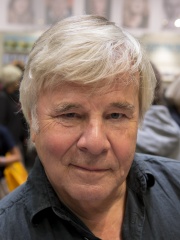
Jan Guillou
WRITER
1944 - Present
HPI: 66.67
Rank: 121
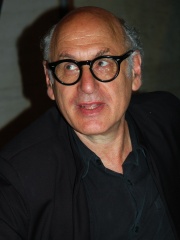
Michael Nyman
COMPOSER
1944 - Present
HPI: 66.61
Rank: 122

Geneviève Grad
ACTOR
1944 - 2024
HPI: 66.60
Rank: 123
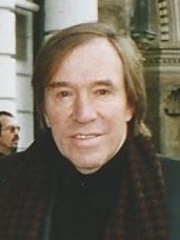
Günter Netzer
SOCCER PLAYER
1944 - Present
HPI: 66.58
Rank: 124
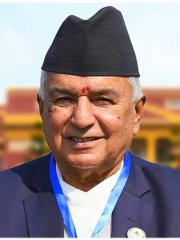
Ram Chandra Poudel
POLITICIAN
1944 - Present
HPI: 66.56
Rank: 125
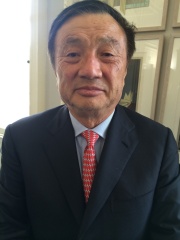
Ren Zhengfei
BUSINESSPERSON
1944 - Present
HPI: 66.56
Rank: 126
Rexhep Meidani
POLITICIAN
1944 - Present
HPI: 66.54
Rank: 127
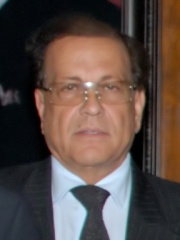
Salmaan Taseer
POLITICIAN
1944 - 2011
HPI: 66.52
Rank: 128
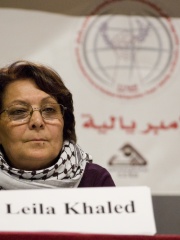
Leila Khaled
SOCIAL ACTIVIST
1944 - Present
HPI: 66.45
Rank: 129
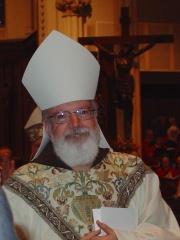
Seán Patrick O'Malley
RELIGIOUS FIGURE
1944 - Present
HPI: 66.36
Rank: 130

Chico Buarque
MUSICIAN
1944 - Present
HPI: 66.34
Rank: 131

Francis Lee
SOCCER PLAYER
1944 - 2023
HPI: 66.21
Rank: 132

Robert Powell
ACTOR
1944 - Present
HPI: 66.16
Rank: 133
In Albanië
Among people born in Albanië, Rexhep Meidani ranks 28 out of NaN. Before him are Gjon Kastrioti (1400), Koca Sinan Pasha (1520), Mehmet Shehu (1913), Sami Frashëri (1850), Muhammad Nasiruddin al-Albani (1914), and Gentius (-300). After him are Ernest Simoni (1928), Bamir Topi (1957), Shefqet Vërlaci (1877), Naim Frashëri (1846), John Koukouzelis (1280), and Haxhi Lleshi (1913).
Others born in Albanië
Go to all Rankings
Gjon Kastrioti
POLITICIAN
1400 - 1437
HPI: 68.25
Rank: 22
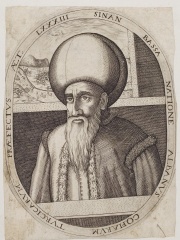
Koca Sinan Pasha
POLITICIAN
1520 - 1596
HPI: 68.01
Rank: 23
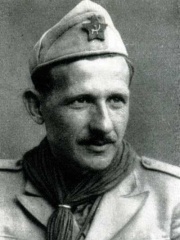
Mehmet Shehu
POLITICIAN
1913 - 1981
HPI: 67.95
Rank: 24
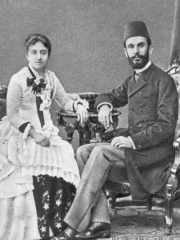
Sami Frashëri
WRITER
1850 - 1904
HPI: 67.03
Rank: 25
Muhammad Nasiruddin al-Albani
WRITER
1914 - 1999
HPI: 66.84
Rank: 26
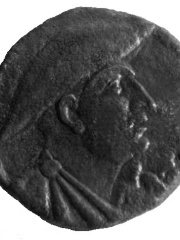
Gentius
POLITICIAN
300 BC - 200 BC
HPI: 66.73
Rank: 27
Rexhep Meidani
POLITICIAN
1944 - Present
HPI: 66.54
Rank: 28
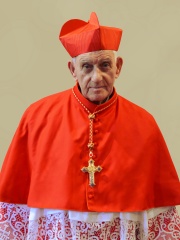
Ernest Simoni
RELIGIOUS FIGURE
1928 - Present
HPI: 66.12
Rank: 29
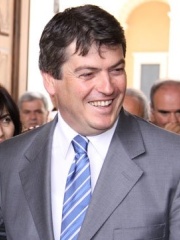
Bamir Topi
POLITICIAN
1957 - Present
HPI: 65.80
Rank: 30
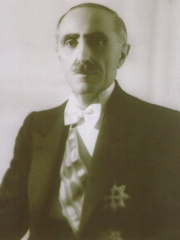
Shefqet Vërlaci
POLITICIAN
1877 - 1946
HPI: 65.64
Rank: 31
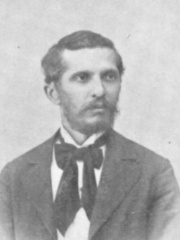
Naim Frashëri
WRITER
1846 - 1900
HPI: 65.49
Rank: 32
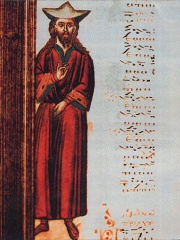
John Koukouzelis
COMPOSER
1280 - 1360
HPI: 63.87
Rank: 33
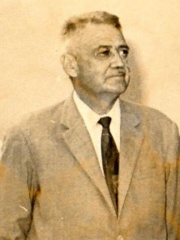
Haxhi Lleshi
POLITICIAN
1913 - 1998
HPI: 63.76
Rank: 34
Among Politicuses In Albanië
Among politicuses born in Albanië, Rexhep Meidani ranks 24. Before him are Karl Thopia (1331), Ayas Mehmed Pasha (1483), Gjon Kastrioti (1400), Koca Sinan Pasha (1520), Mehmet Shehu (1913), and Gentius (-300). After him are Bamir Topi (1957), Shefqet Vërlaci (1877), Haxhi Lleshi (1913), Fatos Nano (1952), Bujar Nishani (1966), and Koca Davud Pasha (1401).
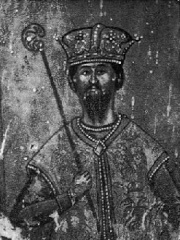
Karl Thopia
1331 - 1388
HPI: 68.58
Rank: 18
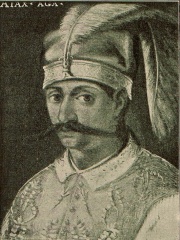
Ayas Mehmed Pasha
1483 - 1539
HPI: 68.36
Rank: 19
Gjon Kastrioti
1400 - 1437
HPI: 68.25
Rank: 20
Koca Sinan Pasha
1520 - 1596
HPI: 68.01
Rank: 21
Mehmet Shehu
1913 - 1981
HPI: 67.95
Rank: 22
Gentius
300 BC - 200 BC
HPI: 66.73
Rank: 23
Rexhep Meidani
1944 - Present
HPI: 66.54
Rank: 24
Bamir Topi
1957 - Present
HPI: 65.80
Rank: 25
Shefqet Vërlaci
1877 - 1946
HPI: 65.64
Rank: 26
Haxhi Lleshi
1913 - 1998
HPI: 63.76
Rank: 27
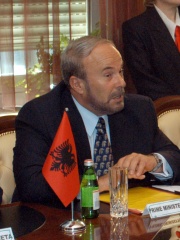
Fatos Nano
1952 - 2025
HPI: 63.64
Rank: 28
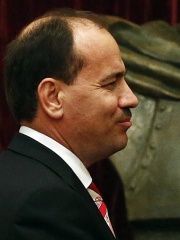
Bujar Nishani
1966 - 2022
HPI: 62.42
Rank: 29

Koca Davud Pasha
1401 - 1498
HPI: 61.76
Rank: 30