Politicus
Leonard Orban
1961 - heden
NL.WIKIPEDIA PAGE VIEWS (PV)

 Leonard Orban
Zijn biografie is beschikbaar in 19 verschillende talen op Wikipedia. Leonard Orban staat op plaats 17.246 onder de meest populaire politicus (gedaald van plaats 16.863 in 2024), plaats 524 onder de meest populaire biografieën uit Roemenië (gedaald van plaats 519 in 2019) en op plaats 159 onder de populairste politicus uit Roemenië.
Memorability Metrics
Page views of Leonard Orban by language
Among Politicuses
Among politicuses, Leonard Orban ranks 17,246 out of 19,576. Before him are Gergely Karácsony, Sorin Grindeanu, Pavlo Klimkin, Linas Antanas Linkevičius, Kim Eun-sook, and John Lawrence, 1st Baron Lawrence. After him are Désiré Rakotoarijaona, Andrew Holness, Frits Goedgedrag, Alain-Guillaume Bunyoni, Patricia Roberts Harris, and Erkki Liikanen.
Most Popular Politicuses in Wikipedia
Go to all Rankings
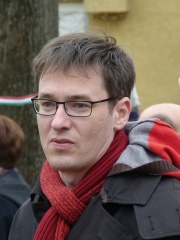
Gergely Karácsony
1975 - Present
HPI: 51.23
Rank: 17,247

Sorin Grindeanu
1973 - Present
HPI: 51.22
Rank: 17,248
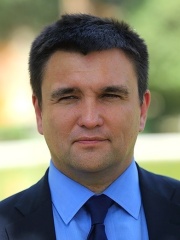
Pavlo Klimkin
1967 - Present
HPI: 51.22
Rank: 17,249
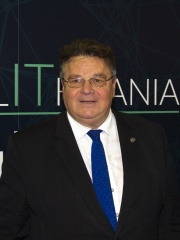
Linas Antanas Linkevičius
1961 - Present
HPI: 51.22
Rank: 17,250

Kim Eun-sook
1973 - Present
HPI: 51.21
Rank: 17,251
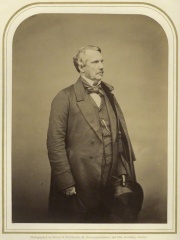
John Lawrence, 1st Baron Lawrence
1811 - 1879
HPI: 51.21
Rank: 17,252
Leonard Orban
1961 - Present
HPI: 51.21
Rank: 17,253
Désiré Rakotoarijaona
1934 - Present
HPI: 51.21
Rank: 17,254

Andrew Holness
1972 - Present
HPI: 51.21
Rank: 17,255

Frits Goedgedrag
1951 - Present
HPI: 51.21
Rank: 17,256
Alain-Guillaume Bunyoni
1972 - Present
HPI: 51.20
Rank: 17,257
Patricia Roberts Harris
1924 - 1985
HPI: 51.20
Rank: 17,258
Erkki Liikanen
1950 - Present
HPI: 51.20
Rank: 17,259

Contemporaries
Among people born in 1961, Leonard Orban ranks 536. Before him are Duan Yongping, Louise Mushikiwabo, Hannelore Kraft, Tatsuya Egawa, Ville Virtanen, and Linas Antanas Linkevičius. After him are Jonathan Mostow, Amy Sedaris, Erez Tal, Thomas Dooley, Glenn Plummer, and Darren Star.
Others Born in 1961
Go to all Rankings
Duan Yongping
BUSINESSPERSON
1961 - Present
HPI: 51.26
Rank: 531

Louise Mushikiwabo
POLITICIAN
1961 - Present
HPI: 51.26
Rank: 532
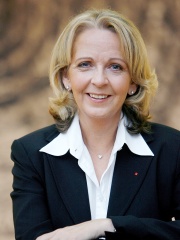
Hannelore Kraft
POLITICIAN
1961 - Present
HPI: 51.26
Rank: 533

Tatsuya Egawa
FILM DIRECTOR
1961 - Present
HPI: 51.24
Rank: 534

Ville Virtanen
ACTOR
1961 - Present
HPI: 51.22
Rank: 535
Linas Antanas Linkevičius
POLITICIAN
1961 - Present
HPI: 51.22
Rank: 536
Leonard Orban
POLITICIAN
1961 - Present
HPI: 51.21
Rank: 537

Jonathan Mostow
FILM DIRECTOR
1961 - Present
HPI: 51.18
Rank: 538

Amy Sedaris
COMEDIAN
1961 - Present
HPI: 51.18
Rank: 539

Erez Tal
PRESENTER
1961 - Present
HPI: 51.17
Rank: 540
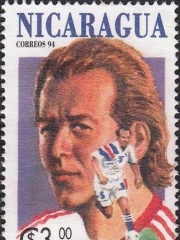
Thomas Dooley
SOCCER PLAYER
1961 - Present
HPI: 51.16
Rank: 541

Glenn Plummer
ACTOR
1961 - Present
HPI: 51.14
Rank: 542

Darren Star
FILM DIRECTOR
1961 - Present
HPI: 51.13
Rank: 543
In Roemenië
Among people born in Roemenië, Leonard Orban ranks 524 out of NaN. Before him are Cristina Elena Grigoraș (1966), Dimitrie Popescu (1961), Cristian Gațu (1945), Elisabeta Lipă (1964), Sevil Shhaideh (1964), and Sorin Grindeanu (1973). After him are Ion Alexe (1946), Károly Weichelt (1906), Răzvan Raț (1981), Nicolae Dică (1980), Ciprian Marica (1985), and Radu Voina (1950).
Others born in Roemenië
Go to all Rankings
Cristina Elena Grigoraș
GYMNAST
1966 - Present
HPI: 51.30
Rank: 518
Dimitrie Popescu
ATHLETE
1961 - 2023
HPI: 51.27
Rank: 519
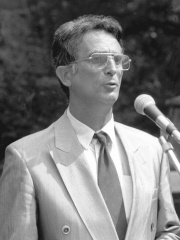
Cristian Gațu
HANDBALL PLAYER
1945 - Present
HPI: 51.26
Rank: 520
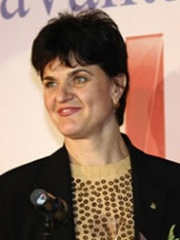
Elisabeta Lipă
POLITICIAN
1964 - Present
HPI: 51.25
Rank: 521
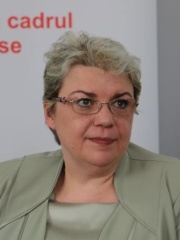
Sevil Shhaideh
ECONOMIST
1964 - Present
HPI: 51.24
Rank: 522
Sorin Grindeanu
POLITICIAN
1973 - Present
HPI: 51.22
Rank: 523
Leonard Orban
POLITICIAN
1961 - Present
HPI: 51.21
Rank: 524

Ion Alexe
BOXER
1946 - Present
HPI: 51.13
Rank: 525

Károly Weichelt
SOCCER PLAYER
1906 - 1971
HPI: 51.12
Rank: 526
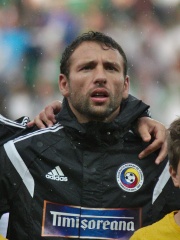
Răzvan Raț
SOCCER PLAYER
1981 - Present
HPI: 51.00
Rank: 527

Nicolae Dică
SOCCER PLAYER
1980 - Present
HPI: 50.94
Rank: 528
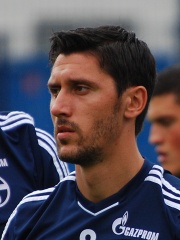
Ciprian Marica
SOCCER PLAYER
1985 - Present
HPI: 50.88
Rank: 529

Radu Voina
HANDBALL PLAYER
1950 - Present
HPI: 50.83
Rank: 530
Among Politicuses In Roemenië
Among politicuses born in Roemenië, Leonard Orban ranks 159. Before him are Dacian Cioloș (1969), Gheorghe Fiat (1929), Alexandru Athanasiu (1955), Mihai Tudose (1967), Elisabeta Lipă (1964), and Sorin Grindeanu (1973). After him are Mihai Răzvan Ungureanu (1968), Teodor Meleșcanu (1941), Ilan Gilon (1956), Emilia Eberle (1964), Eugen Bejinariu (1959), and Géza Szőcs (1953).

Dacian Cioloș
1969 - Present
HPI: 52.87
Rank: 153
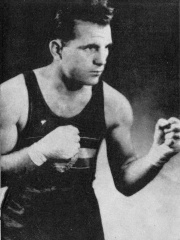
Gheorghe Fiat
1929 - 2010
HPI: 52.47
Rank: 154

Alexandru Athanasiu
1955 - Present
HPI: 51.51
Rank: 155
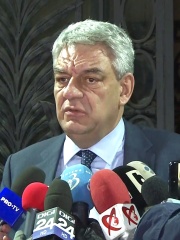
Mihai Tudose
1967 - Present
HPI: 51.32
Rank: 156
Elisabeta Lipă
1964 - Present
HPI: 51.25
Rank: 157
Sorin Grindeanu
1973 - Present
HPI: 51.22
Rank: 158
Leonard Orban
1961 - Present
HPI: 51.21
Rank: 159
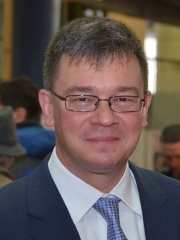
Mihai Răzvan Ungureanu
1968 - Present
HPI: 50.46
Rank: 160
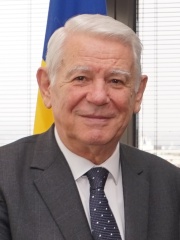
Teodor Meleșcanu
1941 - Present
HPI: 50.39
Rank: 161
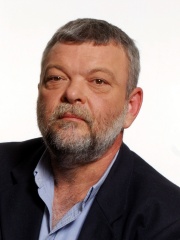
Ilan Gilon
1956 - 2022
HPI: 49.77
Rank: 162
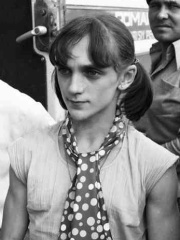
Emilia Eberle
1964 - Present
HPI: 49.30
Rank: 163
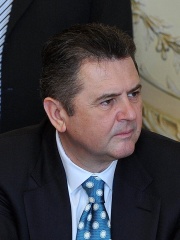
Eugen Bejinariu
1959 - Present
HPI: 49.21
Rank: 164

Géza Szőcs
1953 - 2020
HPI: 48.72
Rank: 165