Voetballer
Carlos Marchena
1979 - heden
NL.WIKIPEDIA PAGE VIEWS (PV)
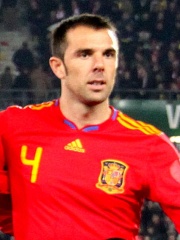
 Carlos Marchena
Zijn biografie is beschikbaar in 51 verschillende talen op Wikipedia. Carlos Marchena staat op plaats 2.628 onder de meest populaire voetballer (gestegen van plaats 2.924 in 2024), plaats 1.441 onder de meest populaire biografieën uit Spanje (gestegen van plaats 1.522 in 2019) en op plaats 216 onder de populairste voetballer uit Spanje.
Memorability Metrics
Page views of Carlos Marchena by language
Among Voetballers
Among voetballers, Carlos Marchena ranks 2,628 out of 21,273. Before him are Dieter Burdenski, Nikos Anastopoulos, Eduard Mudrik, Pedro de Felipe, Nahum Stelmach, and José Vicente. After him are Kim Jung-nam, Henry Carlsson, Ramón Guzmán, István Nagy, Ilie Subășeanu, and Bernd Stange.
Most Popular Voetballers in Wikipedia
Go to all Rankings
Dieter Burdenski
1950 - 2024
HPI: 56.73
Rank: 2,626
Nikos Anastopoulos
1958 - Present
HPI: 56.73
Rank: 2,627

Eduard Mudrik
1939 - 2017
HPI: 56.73
Rank: 2,628
Pedro de Felipe
1944 - 2016
HPI: 56.72
Rank: 2,629
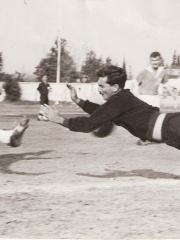
Nahum Stelmach
1936 - 1999
HPI: 56.72
Rank: 2,630

José Vicente
1931 - Present
HPI: 56.71
Rank: 2,631
Carlos Marchena
1979 - Present
HPI: 56.71
Rank: 2,632
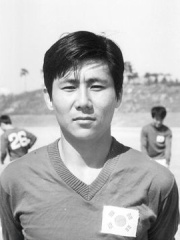
Kim Jung-nam
1943 - Present
HPI: 56.71
Rank: 2,633
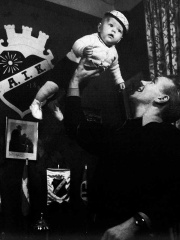
Henry Carlsson
1917 - 1999
HPI: 56.71
Rank: 2,634
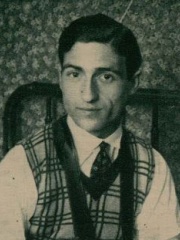
Ramón Guzmán
1907 - 1954
HPI: 56.70
Rank: 2,635

István Nagy
1939 - 1999
HPI: 56.70
Rank: 2,636

Ilie Subășeanu
1906 - 1980
HPI: 56.70
Rank: 2,637

Bernd Stange
1948 - Present
HPI: 56.70
Rank: 2,638

Contemporaries
Among people born in 1979, Carlos Marchena ranks 99. Before him are Joel Kinnaman, Vitas, Alexi Laiho, Anna Torv, Abu al-Hussein al-Husseini al-Qurashi, and Josh Hawley. After him are Milivoje Novaković, Diego Luna, Siti Nurhaliza, Mena Suvari, Nihat Kahveci, and Masahiro Akimoto.
Others Born in 1979
Go to all Rankings
Joel Kinnaman
ACTOR
1979 - Present
HPI: 57.00
Rank: 93
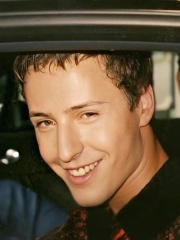
Vitas
MUSICIAN
1979 - Present
HPI: 56.99
Rank: 94

Alexi Laiho
MUSICIAN
1979 - 2020
HPI: 56.98
Rank: 95

Anna Torv
ACTOR
1979 - Present
HPI: 56.93
Rank: 96

Abu al-Hussein al-Husseini al-Qurashi
EXTREMIST
1979 - 2023
HPI: 56.84
Rank: 97
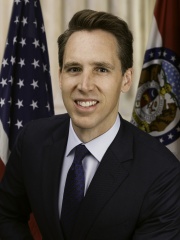
Josh Hawley
POLITICIAN
1979 - Present
HPI: 56.79
Rank: 98
Carlos Marchena
SOCCER PLAYER
1979 - Present
HPI: 56.71
Rank: 99

Milivoje Novaković
SOCCER PLAYER
1979 - Present
HPI: 56.51
Rank: 100
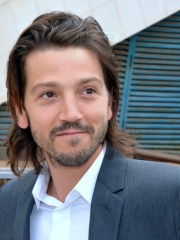
Diego Luna
ACTOR
1979 - Present
HPI: 56.41
Rank: 101

Siti Nurhaliza
SINGER
1979 - Present
HPI: 56.34
Rank: 102

Mena Suvari
ACTOR
1979 - Present
HPI: 56.33
Rank: 103
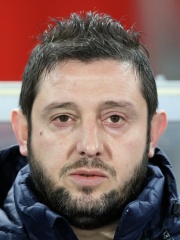
Nihat Kahveci
SOCCER PLAYER
1979 - Present
HPI: 56.28
Rank: 104

Masahiro Akimoto
SOCCER PLAYER
1979 - Present
HPI: 56.26
Rank: 105
In Spanje
Among people born in Spanje, Carlos Marchena ranks 1,441 out of NaN. Before him are Luis María de Borbón y Vallabriga (1777), Albert Ferrer (1970), Sergi Roberto (1992), Adrián Escudero (1927), Pedro de Felipe (1944), and José Vicente (1931). After him are Infanta María Cristina of Spain (1833), Ramón Guzmán (1907), Ramón Pérez de Ayala (1880), Enric Valor i Vives (1911), Fernand Sanz (1881), and Anselmo Lorenzo (1841).
Others born in Spanje
Go to all Rankings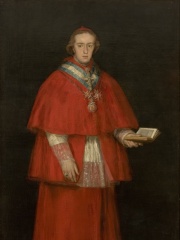
Luis María de Borbón y Vallabriga
NOBLEMAN
1777 - 1823
HPI: 56.74
Rank: 1,435
Albert Ferrer
SOCCER PLAYER
1970 - Present
HPI: 56.74
Rank: 1,436

Sergi Roberto
SOCCER PLAYER
1992 - Present
HPI: 56.74
Rank: 1,437

Adrián Escudero
SOCCER PLAYER
1927 - 2011
HPI: 56.73
Rank: 1,438
Pedro de Felipe
SOCCER PLAYER
1944 - 2016
HPI: 56.72
Rank: 1,439
José Vicente
SOCCER PLAYER
1931 - Present
HPI: 56.71
Rank: 1,440
Carlos Marchena
SOCCER PLAYER
1979 - Present
HPI: 56.71
Rank: 1,441
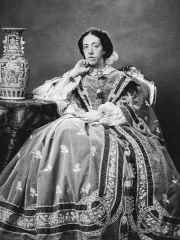
Infanta María Cristina of Spain
COMPANION
1833 - 1902
HPI: 56.71
Rank: 1,442
Ramón Guzmán
SOCCER PLAYER
1907 - 1954
HPI: 56.70
Rank: 1,443
Ramón Pérez de Ayala
WRITER
1880 - 1962
HPI: 56.69
Rank: 1,444

Enric Valor i Vives
WRITER
1911 - 2000
HPI: 56.68
Rank: 1,445
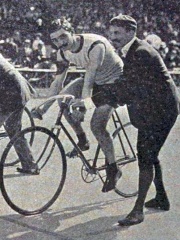
Fernand Sanz
CYCLIST
1881 - 1925
HPI: 56.67
Rank: 1,446
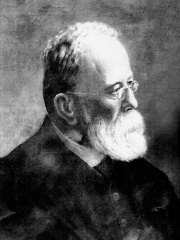
Anselmo Lorenzo
RELIGIOUS FIGURE
1841 - 1914
HPI: 56.65
Rank: 1,447
Among Voetballers In Spanje
Among voetballers born in Spanje, Carlos Marchena ranks 216. Before him are José Ramón Alexanko (1956), Albert Ferrer (1970), Sergi Roberto (1992), Adrián Escudero (1927), Pedro de Felipe (1944), and José Vicente (1931). After him are Ramón Guzmán (1907), Manuel Anatol (1903), Dani Güiza (1980), Joaquín Vázquez (1897), Gavi (2004), and Goyo Benito (1946).
José Ramón Alexanko
1956 - Present
HPI: 56.74
Rank: 210
Albert Ferrer
1970 - Present
HPI: 56.74
Rank: 211
Sergi Roberto
1992 - Present
HPI: 56.74
Rank: 212
Adrián Escudero
1927 - 2011
HPI: 56.73
Rank: 213
Pedro de Felipe
1944 - 2016
HPI: 56.72
Rank: 214
José Vicente
1931 - Present
HPI: 56.71
Rank: 215
Carlos Marchena
1979 - Present
HPI: 56.71
Rank: 216
Ramón Guzmán
1907 - 1954
HPI: 56.70
Rank: 217
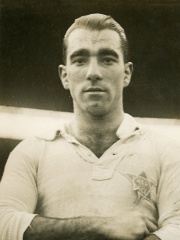
Manuel Anatol
1903 - 1990
HPI: 56.63
Rank: 218
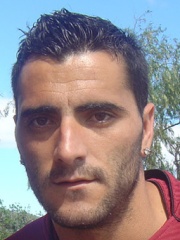
Dani Güiza
1980 - Present
HPI: 56.56
Rank: 219
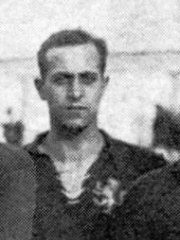
Joaquín Vázquez
1897 - 1965
HPI: 56.51
Rank: 220

Gavi
2004 - Present
HPI: 56.50
Rank: 221
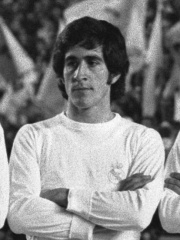
Goyo Benito
1946 - 2020
HPI: 56.42
Rank: 222




