Politicus
Ay
1380 BC - 1400 BC
NL.WIKIPEDIA PAGE VIEWS (PV)
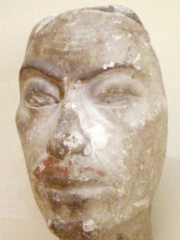
 Ay
Ay
Ay kan verwijzen naar: Lees meer op Wikipedia
His biography is available in 52 different languages on Wikipedia (up from 50 in 2024). Ay is the 251st most popular politicus (up from 397th in 2024), the 18th most popular biography from Egypt (up from 30th in 2019) and the 9th most popular Egyptian Politicus.
Ay is most famous for being the first language of the Aztec Empire. The Aztecs were the dominant civilization in Mesoamerica from the 14th to 16th centuries.
Memorability Metrics
Page views of Ay by language
Among Politicuses
Among politicuses, Ay ranks 251 out of 19,576. Before him are Gamal Abdel Nasser, Dwight D. Eisenhower, Vallabhbhai Patel, Emperor Meiji, Bashar al-Assad, and Harun al-Rashid. After him are Mustafa I, Barbara Bush, Joseph II, Holy Roman Emperor, Maximilian I of Mexico, Alexander II of Russia, and Heraclius.
Most Popular Politicuses in Wikipedia
Go to all Rankings
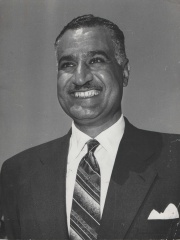
Gamal Abdel Nasser
1918 - 1970
HPI: 82.33
Rank: 245
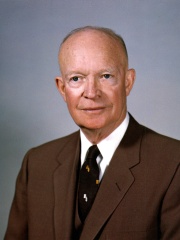
Dwight D. Eisenhower
1890 - 1969
HPI: 82.31
Rank: 246
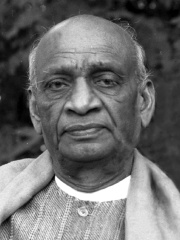
Vallabhbhai Patel
1875 - 1950
HPI: 82.30
Rank: 247
Emperor Meiji
1852 - 1912
HPI: 82.26
Rank: 248

Bashar al-Assad
1965 - Present
HPI: 82.22
Rank: 249
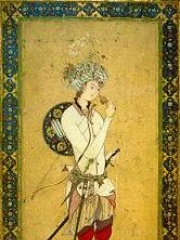
Harun al-Rashid
766 - 809
HPI: 82.20
Rank: 250
Ay
1380 BC - 1400 BC
HPI: 82.19
Rank: 251
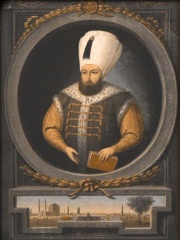
Mustafa I
1591 - 1639
HPI: 82.18
Rank: 252
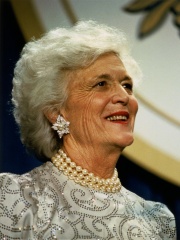
Barbara Bush
1925 - 2018
HPI: 82.18
Rank: 253
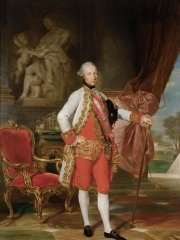
Joseph II, Holy Roman Emperor
1741 - 1790
HPI: 82.18
Rank: 254
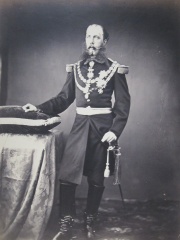
Maximilian I of Mexico
1832 - 1867
HPI: 82.14
Rank: 255
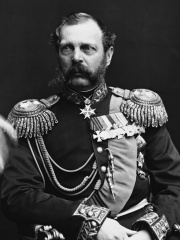
Alexander II of Russia
1818 - 1881
HPI: 82.13
Rank: 256
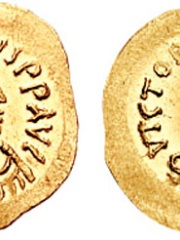
Heraclius
575 - 641
HPI: 82.13
Rank: 257

Contemporaries
Among people born in 1380 BC, Ay ranks 1. After him is Shattiwaza. Among people deceased in 1400 BC, Ay ranks 1. After him are Jethro, Ankhesenamun, Thutmose IV, Meritaten, Tudḫaliya I, Kiya, Amenhotep, son of Hapu, Tadukhipa, Neferneferure, Neferneferuaten Tasherit, and Ḫattušili II.
Others Born in 1380 BC
Go to all RankingsAy
POLITICIAN
1380 BC - 1400 BC
HPI: 82.19
Rank: 1

Shattiwaza
POLITICIAN
1380 BC - 1400 BC
HPI: 61.14
Rank: 2
Others Deceased in 1400 BC
Go to all RankingsAy
POLITICIAN
1380 BC - 1400 BC
HPI: 82.19
Rank: 1
Jethro
RELIGIOUS FIGURE
1400 BC - 1400 BC
HPI: 77.68
Rank: 2
Ankhesenamun
COMPANION
1347 BC - 1400 BC
HPI: 77.52
Rank: 3
Thutmose IV
PHYSICIAN
1420 BC - 1400 BC
HPI: 73.84
Rank: 4
Meritaten
RELIGIOUS FIGURE
1400 BC - 1400 BC
HPI: 72.75
Rank: 5

Tudḫaliya I
POLITICIAN
1500 BC - 1400 BC
HPI: 68.68
Rank: 6
Kiya
POLITICIAN
1400 BC - 1400 BC
HPI: 67.46
Rank: 7
Amenhotep, son of Hapu
ARCHITECT
1420 BC - 1400 BC
HPI: 66.24
Rank: 8
Tadukhipa
POLITICIAN
1365 BC - 1400 BC
HPI: 65.70
Rank: 9
Neferneferure
POLITICIAN
1400 BC - 1400 BC
HPI: 65.31
Rank: 10
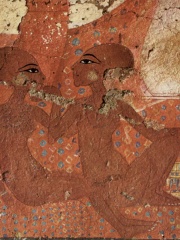
Neferneferuaten Tasherit
COMPANION
1400 BC - 1400 BC
HPI: 65.08
Rank: 11

Ḫattušili II
POLITICIAN
1350 BC - 1400 BC
HPI: 64.75
Rank: 12
In Egypt
Among people born in Egypt, Ay ranks 18 out of 642. Before him are Amenhotep III (-1403), Yasser Arafat (1929), Khafra (-2550), Anthony the Great (251), Hosni Mubarak (1928), and Gamal Abdel Nasser (1918). After him are Plotinus (203), Moses in Islam (-1392), Catherine of Alexandria (287), Rudolf Hess (1894), Anwar Sadat (1918), and Imhotep (-2800).
Others born in Egypt
Go to all Rankings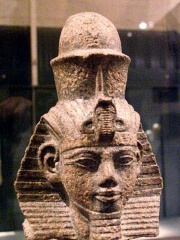
Amenhotep III
POLITICIAN
1403 BC - 1350 BC
HPI: 83.80
Rank: 12
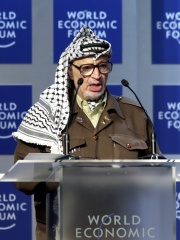
Yasser Arafat
POLITICIAN
1929 - 2004
HPI: 83.78
Rank: 13
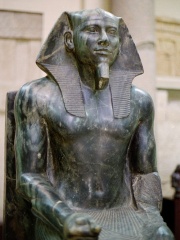
Khafra
POLITICIAN
2550 BC - 2479 BC
HPI: 83.77
Rank: 14
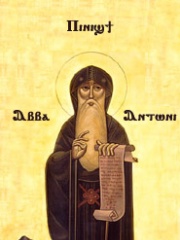
Anthony the Great
RELIGIOUS FIGURE
251 - 356
HPI: 83.70
Rank: 15

Hosni Mubarak
POLITICIAN
1928 - 2020
HPI: 82.43
Rank: 16
Gamal Abdel Nasser
POLITICIAN
1918 - 1970
HPI: 82.33
Rank: 17
Ay
POLITICIAN
1380 BC - 1400 BC
HPI: 82.19
Rank: 18
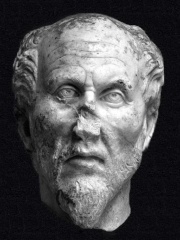
Plotinus
PHILOSOPHER
203 - 270
HPI: 82.09
Rank: 19

Moses in Islam
RELIGIOUS FIGURE
1392 BC - 1272 BC
HPI: 82.06
Rank: 20

Catherine of Alexandria
RELIGIOUS FIGURE
287 - 305
HPI: 81.57
Rank: 21
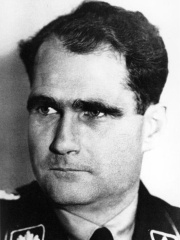
Rudolf Hess
POLITICIAN
1894 - 1987
HPI: 81.45
Rank: 22
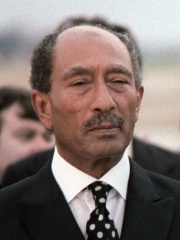
Anwar Sadat
POLITICIAN
1918 - 1981
HPI: 81.32
Rank: 23
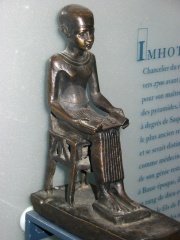
Imhotep
ARCHITECT
2800 BC - 2700 BC
HPI: 81.17
Rank: 24
Among Politicuses In Egypt
Among politicuses born in Egypt, Ay ranks 9. Before him are Hatshepsut (-1507), Amenhotep III (-1403), Yasser Arafat (1929), Khafra (-2550), Hosni Mubarak (1928), and Gamal Abdel Nasser (1918). After him are Rudolf Hess (1894), Anwar Sadat (1918), Caesarion (-47), Ptolemy XIV of Egypt (-60), Mohamed Morsi (1951), and Farouk of Egypt (1920).
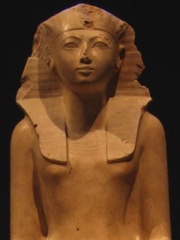
Hatshepsut
1507 BC - 1458 BC
HPI: 84.03
Rank: 3
Amenhotep III
1403 BC - 1350 BC
HPI: 83.80
Rank: 4
Yasser Arafat
1929 - 2004
HPI: 83.78
Rank: 5
Khafra
2550 BC - 2479 BC
HPI: 83.77
Rank: 6
Hosni Mubarak
1928 - 2020
HPI: 82.43
Rank: 7
Gamal Abdel Nasser
1918 - 1970
HPI: 82.33
Rank: 8
Ay
1380 BC - 1400 BC
HPI: 82.19
Rank: 9
Rudolf Hess
1894 - 1987
HPI: 81.45
Rank: 10
Anwar Sadat
1918 - 1981
HPI: 81.32
Rank: 11
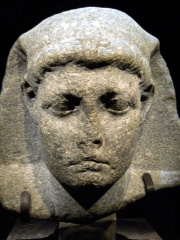
Caesarion
47 BC - 30 BC
HPI: 79.18
Rank: 12
Ptolemy XIV of Egypt
60 BC - 44 BC
HPI: 79.15
Rank: 13
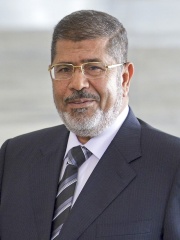
Mohamed Morsi
1951 - 2019
HPI: 78.48
Rank: 14
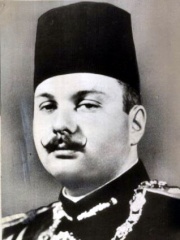
Farouk of Egypt
1920 - 1965
HPI: 78.19
Rank: 15