Politicus
Abdullah Senussi
1949 - heden

 Abdullah Senussi
Haar biografie is beschikbaar in 15 verschillende talen op Wikipedia. Abdullah Senussi staat op plaats 11.669 onder de meest populaire politicus (gestegen van plaats 11.688 in 2024), plaats 44 onder de meest populaire biografieën uit Libië (gedaald van plaats 41 in 2019) en op plaats 22 onder de populairste politicus uit Libië.
Memorability Metrics
Page views of Abdullah Senussi by language
Among Politicuses
Among politicuses, Abdullah Senussi ranks 11,669 out of 19,576. Before her are Karl Buresch, Princess Charlotte Amalie of Hesse-Philippsthal, Princess Anne Charlotte of Lorraine, Ignacy Daszyński, Joe Clark, and Juha Sipilä. After her are Gustaaf Deloor, Kim Min-seok, Margaret of Foix, BP Koirala, Lunalilo, and Frederick I, Duke of Austria.
Most Popular Politicuses in Wikipedia
Go to all Rankings
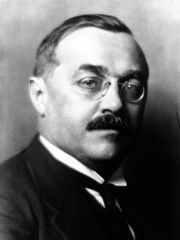
Karl Buresch
1878 - 1936
HPI: 59.66
Rank: 11,669
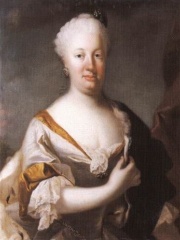
Princess Charlotte Amalie of Hesse-Philippsthal
1730 - 1801
HPI: 59.66
Rank: 11,670

Princess Anne Charlotte of Lorraine
1714 - 1773
HPI: 59.66
Rank: 11,671
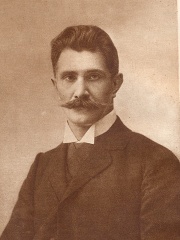
Ignacy Daszyński
1866 - 1936
HPI: 59.66
Rank: 11,672
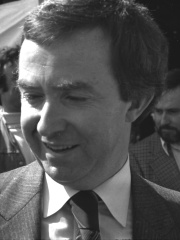
Joe Clark
1939 - Present
HPI: 59.66
Rank: 11,673
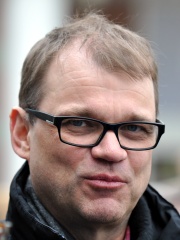
Juha Sipilä
1961 - Present
HPI: 59.66
Rank: 11,674
Abdullah Senussi
1949 - Present
HPI: 59.66
Rank: 11,675
Gustaaf Deloor
1913 - 2002
HPI: 59.66
Rank: 11,676
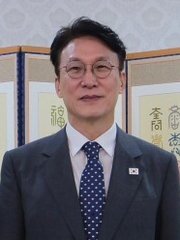
Kim Min-seok
1964 - Present
HPI: 59.66
Rank: 11,677
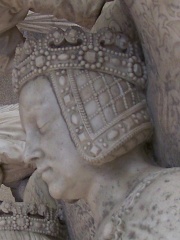
Margaret of Foix
1453 - 1486
HPI: 59.66
Rank: 11,678
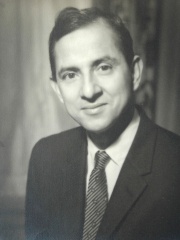
BP Koirala
1914 - 1982
HPI: 59.66
Rank: 11,679
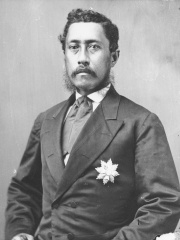
Lunalilo
1835 - 1874
HPI: 59.65
Rank: 11,680
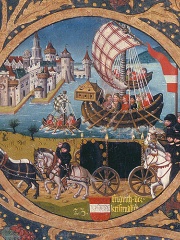
Frederick I, Duke of Austria
1175 - 1198
HPI: 59.65
Rank: 11,681

Contemporaries
Among people born in 1949, Abdullah Senussi ranks 287. Before her are Mari Alkatiri, John Miles, Bernd Eichinger, Frankie Faison, Zoë Wanamaker, and Guillaume Faye. After her are Juan Manuel Asensi, Idir, Tony Cragg, Ed O'Ross, Anca Petrescu, and Pamela Reed.
Others Born in 1949
Go to all Rankings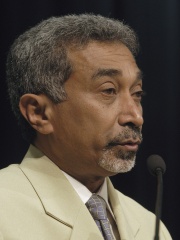
Mari Alkatiri
POLITICIAN
1949 - Present
HPI: 59.73
Rank: 281

John Miles
MUSICIAN
1949 - 2021
HPI: 59.72
Rank: 282
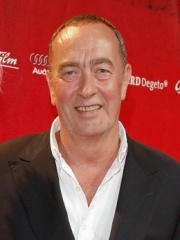
Bernd Eichinger
FILM DIRECTOR
1949 - 2011
HPI: 59.72
Rank: 283

Frankie Faison
ACTOR
1949 - Present
HPI: 59.72
Rank: 284

Zoë Wanamaker
ACTOR
1949 - Present
HPI: 59.72
Rank: 285
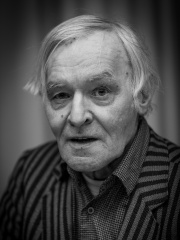
Guillaume Faye
PHILOSOPHER
1949 - 2019
HPI: 59.70
Rank: 286
Abdullah Senussi
POLITICIAN
1949 - Present
HPI: 59.66
Rank: 287
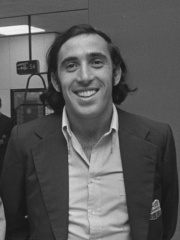
Juan Manuel Asensi
SOCCER PLAYER
1949 - Present
HPI: 59.64
Rank: 288
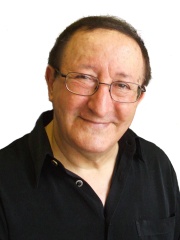
Idir
SINGER
1949 - 2020
HPI: 59.61
Rank: 289
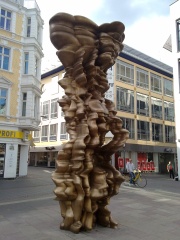
Tony Cragg
SCULPTOR
1949 - Present
HPI: 59.56
Rank: 290
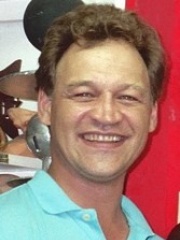
Ed O'Ross
ACTOR
1949 - Present
HPI: 59.56
Rank: 291

Anca Petrescu
ARCHITECT
1949 - 2013
HPI: 59.56
Rank: 292
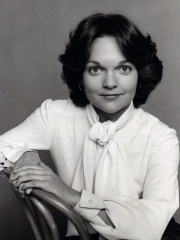
Pamela Reed
ACTOR
1949 - Present
HPI: 59.53
Rank: 293
In Libië
Among people born in Libië, Abdullah Senussi ranks 44 out of NaN. Before her are Ibn Manzur (1233), Abdul Ati al-Obeidi (1939), Ptolemy Apion (-101), Al-Saadi Gaddafi (1973), Abdurrahim El-Keib (1950), and Mutassim Gaddafi (1974). After her are Lacydes of Cyrene (-300), Shukri Ghanem (1942), Anniceris (-400), Abdullah al-Thani (1954), Mohamed Abu al-Qasim al-Zwai (1952), and Mohamed al-Menfi (1976).
Others born in Libië
Go to all Rankings
Ibn Manzur
WRITER
1233 - 1312
HPI: 60.90
Rank: 38
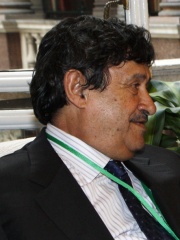
Abdul Ati al-Obeidi
POLITICIAN
1939 - 2023
HPI: 60.77
Rank: 39
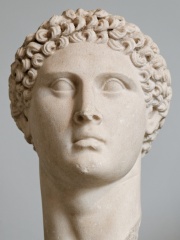
Ptolemy Apion
POLITICIAN
101 BC - 96 BC
HPI: 60.36
Rank: 40

Al-Saadi Gaddafi
SOCCER PLAYER
1973 - Present
HPI: 60.01
Rank: 41
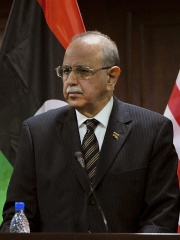
Abdurrahim El-Keib
POLITICIAN
1950 - 2020
HPI: 59.89
Rank: 42
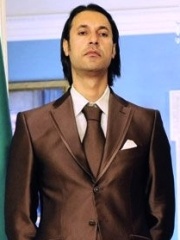
Mutassim Gaddafi
POLITICIAN
1974 - 2011
HPI: 59.83
Rank: 43
Abdullah Senussi
POLITICIAN
1949 - Present
HPI: 59.66
Rank: 44

Lacydes of Cyrene
PHILOSOPHER
300 BC - 205 BC
HPI: 59.28
Rank: 45
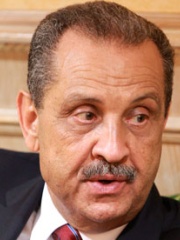
Shukri Ghanem
POLITICIAN
1942 - 2012
HPI: 59.08
Rank: 46

Anniceris
PHILOSOPHER
400 BC - 360 BC
HPI: 58.89
Rank: 47
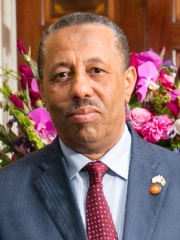
Abdullah al-Thani
POLITICIAN
1954 - Present
HPI: 58.88
Rank: 48

Mohamed Abu al-Qasim al-Zwai
POLITICIAN
1952 - Present
HPI: 58.74
Rank: 49
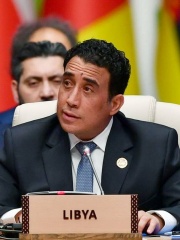
Mohamed al-Menfi
POLITICIAN
1976 - Present
HPI: 58.66
Rank: 50
Among Politicuses In Libië
Among politicuses born in Libië, Abdullah Senussi ranks 22. Before her are Muhammad az-Zanati (1944), Abdul Hamid Dbeibeh (1958), Abdul Ati al-Obeidi (1939), Ptolemy Apion (-101), Abdurrahim El-Keib (1950), and Mutassim Gaddafi (1974). After her are Shukri Ghanem (1942), Abdullah al-Thani (1954), Mohamed Abu al-Qasim al-Zwai (1952), Mohamed al-Menfi (1976), Moussa Koussa (1949), and Nouri Abusahmain (2000).
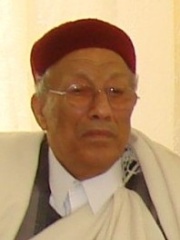
Muhammad az-Zanati
1944 - 2025
HPI: 61.51
Rank: 16
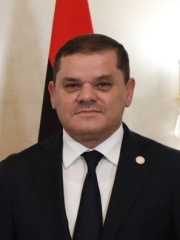
Abdul Hamid Dbeibeh
1958 - Present
HPI: 60.93
Rank: 17
Abdul Ati al-Obeidi
1939 - 2023
HPI: 60.77
Rank: 18
Ptolemy Apion
101 BC - 96 BC
HPI: 60.36
Rank: 19
Abdurrahim El-Keib
1950 - 2020
HPI: 59.89
Rank: 20
Mutassim Gaddafi
1974 - 2011
HPI: 59.83
Rank: 21
Abdullah Senussi
1949 - Present
HPI: 59.66
Rank: 22
Shukri Ghanem
1942 - 2012
HPI: 59.08
Rank: 23
Abdullah al-Thani
1954 - Present
HPI: 58.88
Rank: 24
Mohamed Abu al-Qasim al-Zwai
1952 - Present
HPI: 58.74
Rank: 25
Mohamed al-Menfi
1976 - Present
HPI: 58.66
Rank: 26
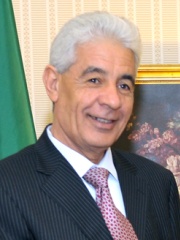
Moussa Koussa
1949 - Present
HPI: 57.91
Rank: 27
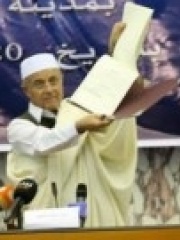
Nouri Abusahmain
2000 - Present
HPI: 57.75
Rank: 28