Figura religiosa
Zephaniah
701 BC - 609 BC
IT.WIKIPEDIA PAGE VIEWS (PV)

 Zephaniah
Sofonia (fl. VII secolo a.C.) è stato un profeta ebreo antico, venerato dalla Chiesa cattolica come santo e ricordato il 3 dicembre. Leggi di più su Wikipedia
La sua biografia è disponibile in 34 lingue su Wikipedia (in aumento rispetto a 32 nel 2024). Zephaniah è il 806° figura religiosa più popolare (in calo dal 770° nel 2024), la 107ª biografia più popolare dell'Israele (in aumento dal 112ª nel 2019) e il 42° figura religiosa più popolare dell'Israele.
Memorability Metrics
Page views of Zephaniah by language
Among Figura religiosas
Among figura religiosas, Zephaniah ranks 806 out of 3,187. Before him are Gerhard Ludwig Müller, Isidore the Laborer, Sen no Rikyū, Saint Malachy, Isaac in Islam, and Euphemia. After him are Papias of Hierapolis, Roger Etchegaray, Josaphat Kuntsevych, Haran, Ibrahim ibn Adham, and Giuseppe Siri.
Most Popular Figura Religiosas in Wikipedia
Go to all Rankings

Gerhard Ludwig Müller
1947 - Present
HPI: 69.20
Rank: 800
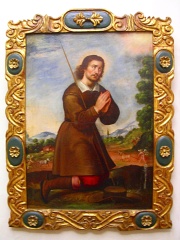
Isidore the Laborer
1080 - 1130
HPI: 69.18
Rank: 801

Sen no Rikyū
1522 - 1591
HPI: 69.18
Rank: 802
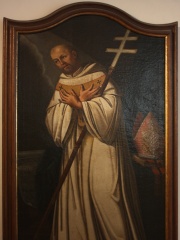
Saint Malachy
1094 - 1148
HPI: 69.15
Rank: 803

Isaac in Islam
HPI: 69.13
Rank: 804

Euphemia
289 - 304
HPI: 69.12
Rank: 805
Zephaniah
701 BC - 609 BC
HPI: 69.09
Rank: 806

Papias of Hierapolis
70 - 100
HPI: 69.08
Rank: 807

Roger Etchegaray
1922 - 2019
HPI: 69.07
Rank: 808

Josaphat Kuntsevych
1580 - 1623
HPI: 69.06
Rank: 809

Haran
HPI: 69.05
Rank: 810

Ibrahim ibn Adham
718 - 782
HPI: 69.04
Rank: 811
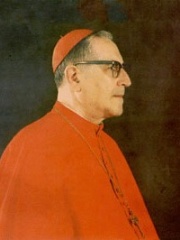
Giuseppe Siri
1906 - 1989
HPI: 69.02
Rank: 812

Contemporaries
Among people born in 701 BC, Zephaniah ranks 1. After him is Cleisthenes of Sicyon. Among people deceased in 609 BC, Zephaniah ranks 2. Before him is Josiah.
Others Born in 701 BC
Go to all RankingsZephaniah
RELIGIOUS FIGURE
701 BC - 609 BC
HPI: 69.09
Rank: 1

Cleisthenes of Sicyon
POLITICIAN
701 BC - 600 BC
HPI: 65.95
Rank: 2
Others Deceased in 609 BC
Go to all Rankings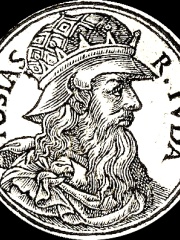
In Israele
Among people born in Israele, Zephaniah ranks 107 out of NaN. Before him are Israel Katz (1955), Jonathan Apphus (-200), George Habash (1926), Gene Simmons (1949), Ofra Haza (1957), and Yitzhak Navon (1921). After him are Natalie Portman (1981), Abdel Aziz al-Rantisi (1947), Itzhak Perlman (1945), Abu Nidal (1937), Frederick VI, Duke of Swabia (1167), and Isaac Luria (1534).
Others born in Israele
Go to all Rankings
Israel Katz
POLITICIAN
1955 - Present
HPI: 69.39
Rank: 101
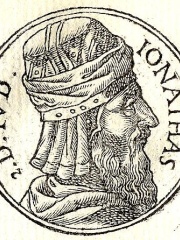
Jonathan Apphus
POLITICIAN
200 BC - 143 BC
HPI: 69.38
Rank: 102
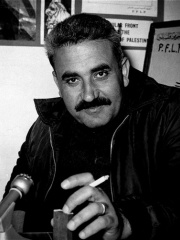
George Habash
EXTREMIST
1926 - 2008
HPI: 69.27
Rank: 103

Gene Simmons
MUSICIAN
1949 - Present
HPI: 69.24
Rank: 104

Ofra Haza
SINGER
1957 - 2000
HPI: 69.16
Rank: 105
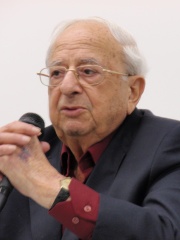
Yitzhak Navon
POLITICIAN
1921 - 2015
HPI: 69.16
Rank: 106
Zephaniah
RELIGIOUS FIGURE
701 BC - 609 BC
HPI: 69.09
Rank: 107

Natalie Portman
ACTOR
1981 - Present
HPI: 68.99
Rank: 108

Abdel Aziz al-Rantisi
POLITICIAN
1947 - 2004
HPI: 68.97
Rank: 109
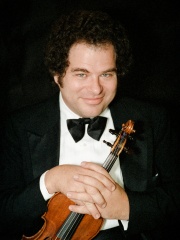
Itzhak Perlman
MUSICIAN
1945 - Present
HPI: 68.92
Rank: 110

Abu Nidal
EXTREMIST
1937 - 2002
HPI: 68.58
Rank: 111

Frederick VI, Duke of Swabia
NOBLEMAN
1167 - 1191
HPI: 68.52
Rank: 112

Isaac Luria
RELIGIOUS FIGURE
1534 - 1572
HPI: 68.41
Rank: 113
Among Figura religiosas In Israele
Among figura religiosas born in Israele, Zephaniah ranks 42. Before him are Penitent thief (-18), Canaan (null), Pope Theodore I (600), Pontius Pilate's wife (6), Micah (-737), and Epiphanius of Salamis (315). After him are Isaac Luria (1534), Philip the Evangelist (100), Saint Petronilla (50), Simeon of Jerusalem (100), Mariam Baouardy (1846), and Al-Tabarani (873).

Penitent thief
18 BC - 30
HPI: 72.34
Rank: 36

Canaan
HPI: 71.99
Rank: 37
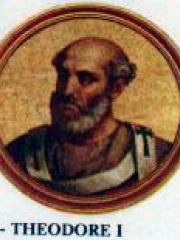
Pope Theodore I
600 - 649
HPI: 71.78
Rank: 38

Pontius Pilate's wife
6 - 100
HPI: 71.03
Rank: 39

Micah
737 BC - 696 BC
HPI: 70.82
Rank: 40

Epiphanius of Salamis
315 - 403
HPI: 70.68
Rank: 41
Zephaniah
701 BC - 609 BC
HPI: 69.09
Rank: 42
Isaac Luria
1534 - 1572
HPI: 68.41
Rank: 43
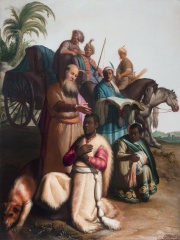
Philip the Evangelist
100 - 100
HPI: 68.41
Rank: 44

Saint Petronilla
50 - 100
HPI: 67.34
Rank: 45

Simeon of Jerusalem
100 - 107
HPI: 67.20
Rank: 46
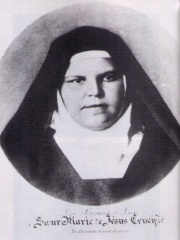
Mariam Baouardy
1846 - 1878
HPI: 65.86
Rank: 47

Al-Tabarani
873 - 971
HPI: 65.30
Rank: 48