Astronomo
Tomimaru Okuni
1931 - presente

 Tomimaru Okuni
Tomimaru Okuni (大国富丸?, Ōkuni Tomimaru; 1931) è un astronomo giapponese. Il Minor Planet Center gli accredita la scoperta di 109 asteroidi, effettuate tra il 1994 e il 2002. Gli è stato dedicato l'asteroide 7769 Okuni. Leggi di più su Wikipedia
His biography is available in 15 different languages on Wikipedia. Tomimaru Okuni is the 556th most popular astronomo (up from 585th in 2024), the 1,665th most popular biography from Japan (up from 1,812th in 2019) and the 15th most popular Japanese Astronomo.
Memorability Metrics
Page views of Tomimaru Okuni by language
Among Astronomos
Among astronomos, Tomimaru Okuni ranks 556 out of 644. Before him are Roy A. Tucker, Charles W. Juels, Thomas Brisbane, Madge Adam, Irwin I. Shapiro, and Seiji Ueda. After him are Takao Kobayashi, Scott S. Sheppard, Kazimierz Kordylewski, John Dobson, Lawrence H. Aller, and Carlos Torres.
Most Popular Astronomos in Wikipedia
Go to all Rankings

Roy A. Tucker
1951 - 2021
HPI: 53.68
Rank: 550

Charles W. Juels
1944 - 2009
HPI: 53.64
Rank: 551
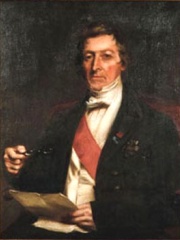
Thomas Brisbane
1773 - 1860
HPI: 53.57
Rank: 552

Madge Adam
1912 - 2001
HPI: 53.55
Rank: 553

Irwin I. Shapiro
1929 - Present
HPI: 53.45
Rank: 554

Seiji Ueda
1952 - Present
HPI: 53.22
Rank: 555
Tomimaru Okuni
1931 - Present
HPI: 53.14
Rank: 556

Takao Kobayashi
1961 - Present
HPI: 53.13
Rank: 557

Scott S. Sheppard
1977 - Present
HPI: 53.10
Rank: 558
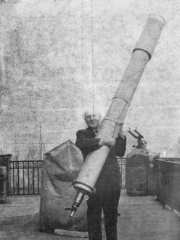
Kazimierz Kordylewski
1903 - 1981
HPI: 53.08
Rank: 559
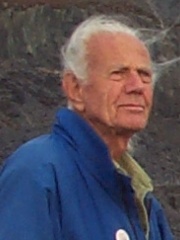
John Dobson
1915 - 2014
HPI: 53.07
Rank: 560

Lawrence H. Aller
1913 - 2003
HPI: 53.03
Rank: 561

Carlos Torres
1929 - 2011
HPI: 53.03
Rank: 562

Contemporaries
Among people born in 1931, Tomimaru Okuni ranks 517. Before him are Federico Edwards, Gordon Pirie, Billy Bingham, Marc Bouissou, Ann Rule, and Gustav-Adolf Schur. After him are Flora Nwapa, Carlos Graça, Ray Bryant, István Gulyás, Algis Budrys, and Tadeusz Rut.
Others Born in 1931
Go to all Rankings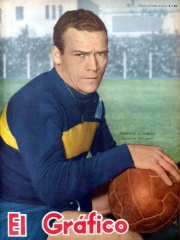
Federico Edwards
SOCCER PLAYER
1931 - 2016
HPI: 53.35
Rank: 511
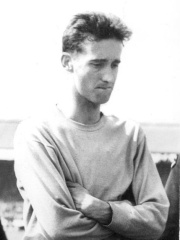
Gordon Pirie
ATHLETE
1931 - 1991
HPI: 53.34
Rank: 512

Billy Bingham
SOCCER PLAYER
1931 - 2022
HPI: 53.31
Rank: 513
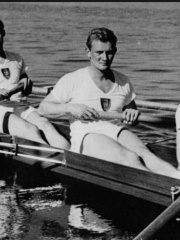
Marc Bouissou
ATHLETE
1931 - 2018
HPI: 53.27
Rank: 514
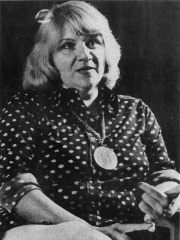
Ann Rule
WRITER
1931 - 2015
HPI: 53.19
Rank: 515
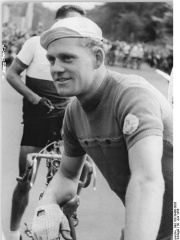
Gustav-Adolf Schur
CYCLIST
1931 - Present
HPI: 53.15
Rank: 516
Tomimaru Okuni
ASTRONOMER
1931 - Present
HPI: 53.14
Rank: 517
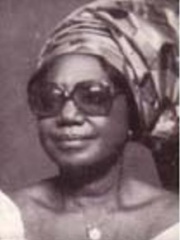
Flora Nwapa
WRITER
1931 - 1993
HPI: 53.13
Rank: 518
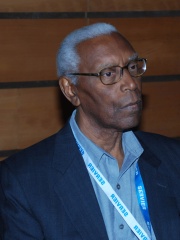
Carlos Graça
POLITICIAN
1931 - 2013
HPI: 53.12
Rank: 519
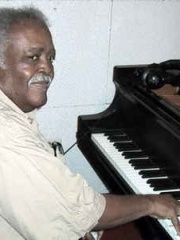
Ray Bryant
MUSICIAN
1931 - 2011
HPI: 53.08
Rank: 520
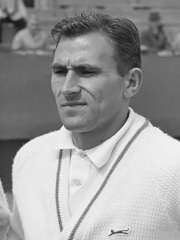
István Gulyás
TENNIS PLAYER
1931 - 2000
HPI: 53.08
Rank: 521
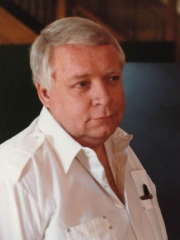
Algis Budrys
WRITER
1931 - 2008
HPI: 53.07
Rank: 522
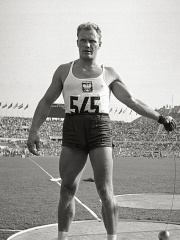
Tadeusz Rut
ATHLETE
1931 - 2002
HPI: 53.06
Rank: 523
In Japan
Among people born in Japan, Tomimaru Okuni ranks 1,665 out of 6,245. Before him are LiSA (1987), Nikka Costa (1972), Kazumasa Shimizu (1976), Ryota Takahashi (1986), Yoshioka Yayoi (1871), and Minato Yoshida (1992). After him are Yoshiyuki Matsuyama (1966), Futaba Kioka (1965), Takao Kobayashi (1961), Tsuyoshi Nakao (1983), Midori Ito (1969), and Takeshi Watanabe (1972).
Others born in Japan
Go to all Rankings
LiSA
MUSICIAN
1987 - Present
HPI: 53.21
Rank: 1,659
Nikka Costa
SINGER
1972 - Present
HPI: 53.20
Rank: 1,660

Kazumasa Shimizu
SOCCER PLAYER
1976 - Present
HPI: 53.19
Rank: 1,661

Ryota Takahashi
SOCCER PLAYER
1986 - Present
HPI: 53.17
Rank: 1,662
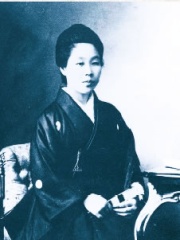
Yoshioka Yayoi
PHYSICIAN
1871 - 1959
HPI: 53.15
Rank: 1,663

Minato Yoshida
SOCCER PLAYER
1992 - Present
HPI: 53.15
Rank: 1,664
Tomimaru Okuni
ASTRONOMER
1931 - Present
HPI: 53.14
Rank: 1,665

Yoshiyuki Matsuyama
SOCCER PLAYER
1966 - Present
HPI: 53.14
Rank: 1,666

Futaba Kioka
SOCCER PLAYER
1965 - Present
HPI: 53.13
Rank: 1,667
Takao Kobayashi
ASTRONOMER
1961 - Present
HPI: 53.13
Rank: 1,668

Tsuyoshi Nakao
SOCCER PLAYER
1983 - Present
HPI: 53.12
Rank: 1,669
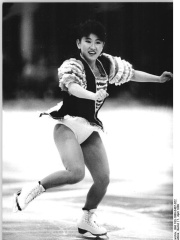
Midori Ito
SKATER
1969 - Present
HPI: 53.12
Rank: 1,670

Takeshi Watanabe
SOCCER PLAYER
1972 - Present
HPI: 53.11
Rank: 1,671
Among Astronomos In Japan
Among astronomos born in Japan, Tomimaru Okuni ranks 15. Before him are Okuro Oikawa (1896), Hiroshi Kaneda (1953), Yuji Hyakutake (1950), Kiichirō Furukawa (1929), Kenzo Suzuki (1950), and Seiji Ueda (1952). After him are Takao Kobayashi (1961), Kazuro Watanabe (1955), Kin Endate (1960), Naoto Satō (1953), Masaru Arai (1952), and Alan Hale (1958).

Okuro Oikawa
1896 - 1970
HPI: 55.09
Rank: 9

Hiroshi Kaneda
1953 - Present
HPI: 55.07
Rank: 10

Yuji Hyakutake
1950 - 2002
HPI: 54.93
Rank: 11

Kiichirō Furukawa
1929 - 2016
HPI: 54.62
Rank: 12

Kenzo Suzuki
1950 - Present
HPI: 54.29
Rank: 13
Seiji Ueda
1952 - Present
HPI: 53.22
Rank: 14
Tomimaru Okuni
1931 - Present
HPI: 53.14
Rank: 15
Takao Kobayashi
1961 - Present
HPI: 53.13
Rank: 16

Kazuro Watanabe
1955 - Present
HPI: 52.84
Rank: 17

Kin Endate
1960 - Present
HPI: 52.22
Rank: 18

Naoto Satō
1953 - Present
HPI: 51.78
Rank: 19

Masaru Arai
1952 - Present
HPI: 51.52
Rank: 20
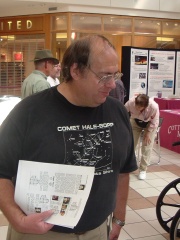
Alan Hale
1958 - Present
HPI: 50.59
Rank: 21