Politico
Sitt al-Mulk
970 - 1023
IT.WIKIPEDIA PAGE VIEWS (PV)

 Sitt al-Mulk
La sua biografia è disponibile in 16 lingue su Wikipedia (in aumento rispetto a 15 nel 2024). Sitt al-Mulk è la 11964ª politico più popolare (in calo dal 11783ª nel 2024), la 72ª biografia più popolare della Tunisia e la 38ª politico più popolare della Tunisia.
Memorability Metrics
Page views of Sitt al-Mulk by language
Among Politicos
Among politicos, Sitt al-Mulk ranks 11,964 out of 19,576. Before her are Agvan Dorzhiev, Itamar Ben-Gvir, Sonexay Siphandone, Terry Sawchuk, Ferenc Nagy, and Lee Hoi-chang. After her are Abdul Rahim Khan-I-Khana, Fernando Tambroni, Puzur-Inshushinak, Bebiankh, Cornelis Lely, and Gudit.
Most Popular Politicos in Wikipedia
Go to all Rankings
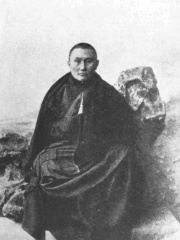
Agvan Dorzhiev
1853 - 1938
HPI: 59.37
Rank: 11,964
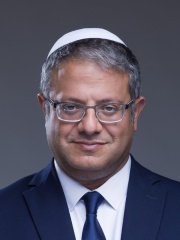
Itamar Ben-Gvir
1976 - Present
HPI: 59.37
Rank: 11,965
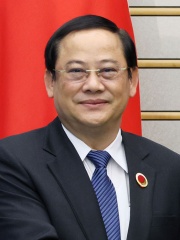
Sonexay Siphandone
1966 - Present
HPI: 59.37
Rank: 11,966

Terry Sawchuk
1929 - 1970
HPI: 59.37
Rank: 11,967
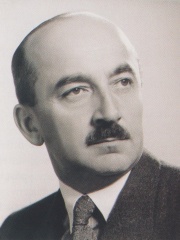
Ferenc Nagy
1903 - 1979
HPI: 59.37
Rank: 11,968

Lee Hoi-chang
1935 - Present
HPI: 59.37
Rank: 11,969
Sitt al-Mulk
970 - 1023
HPI: 59.37
Rank: 11,970
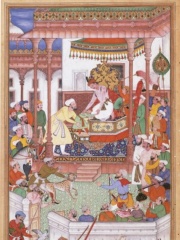
Abdul Rahim Khan-I-Khana
1556 - 1627
HPI: 59.36
Rank: 11,971
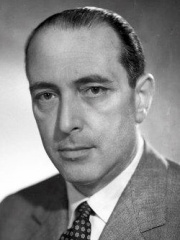
Fernando Tambroni
1901 - 1963
HPI: 59.36
Rank: 11,972
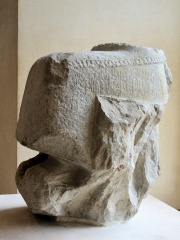
Puzur-Inshushinak
2300 BC - Present
HPI: 59.36
Rank: 11,973
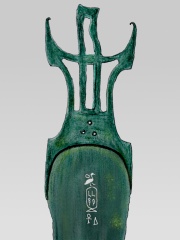
Bebiankh
1700 BC - 1700 BC
HPI: 59.36
Rank: 11,974
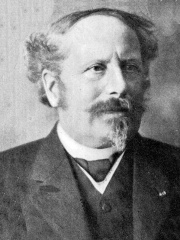
Cornelis Lely
1854 - 1929
HPI: 59.36
Rank: 11,975

Gudit
950 - 1010
HPI: 59.36
Rank: 11,976

Contemporaries
Among people born in 970, Sitt al-Mulk ranks 12. Before her are Oldřich, Duke of Bohemia, Al-Sharif al-Radi, Procopius of Sázava, Otto, Duke of Lower Lorraine, Conrad I, Duke of Carinthia, and Åsta Gudbrandsdatter. After her is Hawise of Normandy. Among people deceased in 1023, Sitt al-Mulk ranks 1. After her are Godfrey II, Duke of Lower Lorraine, Abū Hayyān al-Tawhīdī, Oda of Haldensleben, and Wulfstan.
Others Born in 970
Go to all Rankings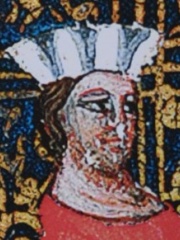
Oldřich, Duke of Bohemia
POLITICIAN
970 - 1034
HPI: 65.53
Rank: 6
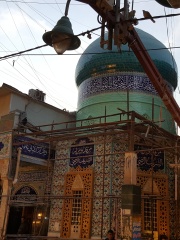
Al-Sharif al-Radi
WRITER
970 - 1015
HPI: 62.01
Rank: 7
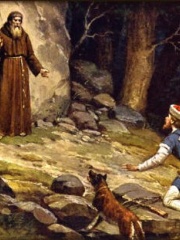
Procopius of Sázava
RELIGIOUS FIGURE
970 - 1053
HPI: 61.48
Rank: 8
Otto, Duke of Lower Lorraine
POLITICIAN
970 - 1012
HPI: 61.29
Rank: 9
Conrad I, Duke of Carinthia
POLITICIAN
970 - 1011
HPI: 60.36
Rank: 10
Åsta Gudbrandsdatter
POLITICIAN
970 - 1020
HPI: 60.04
Rank: 11
Sitt al-Mulk
POLITICIAN
970 - 1023
HPI: 59.37
Rank: 12
Hawise of Normandy
NOBLEMAN
970 - 1034
HPI: 55.53
Rank: 13
Others Deceased in 1023
Go to all RankingsSitt al-Mulk
POLITICIAN
970 - 1023
HPI: 59.37
Rank: 1
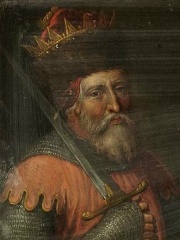
Godfrey II, Duke of Lower Lorraine
NOBLEMAN
965 - 1023
HPI: 58.25
Rank: 2

Abū Hayyān al-Tawhīdī
WRITER
923 - 1023
HPI: 58.12
Rank: 3

Oda of Haldensleben
POLITICIAN
901 - 1023
HPI: 57.88
Rank: 4
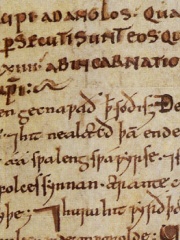
Wulfstan
RELIGIOUS FIGURE
HPI: 50.51
Rank: 5
In Tunisia
Among people born in Tunisia, Sitt al-Mulk ranks 72 out of NaN. Before her are Gisèle Halimi (1927), Dracontius (455), Nicola Pietrangeli (1933), Yusuf ibn 'Abd al-Rahman al-Fihri (711), Ibrahim II of Ifriqiya (850), and Tewhida Ben Sheikh (1909). After her are Mohammed Mzali (1925), Hédi Baccouche (1930), Aboul-Qacem Echebbi (1909), Hamed Karoui (1927), Sadok Sassi (1945), and Habib Essid (1949).
Others born in Tunisia
Go to all Rankings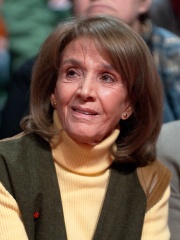
Gisèle Halimi
WRITER
1927 - 2020
HPI: 60.45
Rank: 66

Dracontius
WRITER
455 - 505
HPI: 60.42
Rank: 67
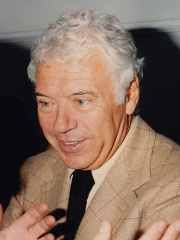
Nicola Pietrangeli
TENNIS PLAYER
1933 - 2025
HPI: 60.37
Rank: 68

Yusuf ibn 'Abd al-Rahman al-Fihri
POLITICIAN
711 - 759
HPI: 60.07
Rank: 69
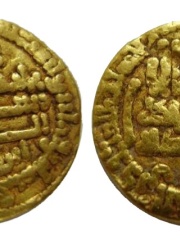
Ibrahim II of Ifriqiya
POLITICIAN
850 - 902
HPI: 59.72
Rank: 70
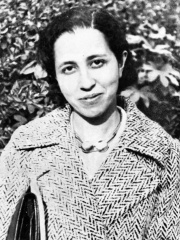
Tewhida Ben Sheikh
PHYSICIAN
1909 - 2010
HPI: 59.47
Rank: 71
Sitt al-Mulk
POLITICIAN
970 - 1023
HPI: 59.37
Rank: 72
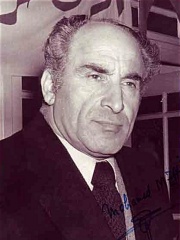
Mohammed Mzali
POLITICIAN
1925 - 2010
HPI: 58.85
Rank: 73
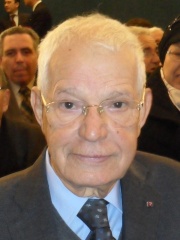
Hédi Baccouche
POLITICIAN
1930 - 2020
HPI: 58.43
Rank: 74
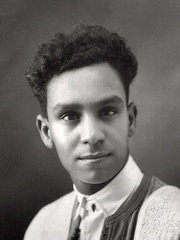
Aboul-Qacem Echebbi
WRITER
1909 - 1934
HPI: 58.26
Rank: 75
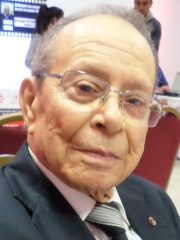
Hamed Karoui
POLITICIAN
1927 - 2020
HPI: 58.19
Rank: 76
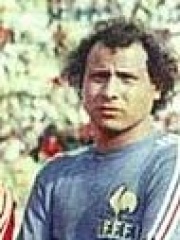
Sadok Sassi
SOCCER PLAYER
1945 - Present
HPI: 57.92
Rank: 77
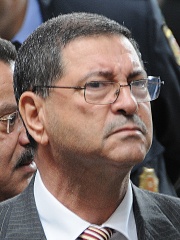
Habib Essid
POLITICIAN
1949 - Present
HPI: 57.89
Rank: 78
Among Politicos In Tunisia
Among politicos born in Tunisia, Sitt al-Mulk ranks 38. Before her are Najla Bouden (1958), Hannibal Mago (-471), Bertrand Delanoë (1950), Hamadi Jebali (1949), Yusuf ibn 'Abd al-Rahman al-Fihri (711), and Ibrahim II of Ifriqiya (850). After her are Mohammed Mzali (1925), Hédi Baccouche (1930), Hamed Karoui (1927), Habib Essid (1949), Rachid Sfar (1933), and Hédi Amara Nouira (1911).
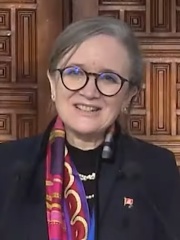
Najla Bouden
1958 - Present
HPI: 62.54
Rank: 32

Hannibal Mago
471 BC - 406 BC
HPI: 61.56
Rank: 33
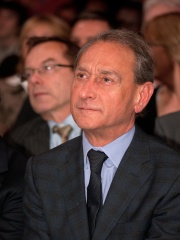
Bertrand Delanoë
1950 - Present
HPI: 61.23
Rank: 34
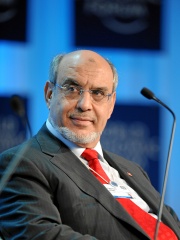
Hamadi Jebali
1949 - Present
HPI: 60.59
Rank: 35
Yusuf ibn 'Abd al-Rahman al-Fihri
711 - 759
HPI: 60.07
Rank: 36
Ibrahim II of Ifriqiya
850 - 902
HPI: 59.72
Rank: 37
Sitt al-Mulk
970 - 1023
HPI: 59.37
Rank: 38
Mohammed Mzali
1925 - 2010
HPI: 58.85
Rank: 39
Hédi Baccouche
1930 - 2020
HPI: 58.43
Rank: 40
Hamed Karoui
1927 - 2020
HPI: 58.19
Rank: 41
Habib Essid
1949 - Present
HPI: 57.89
Rank: 42
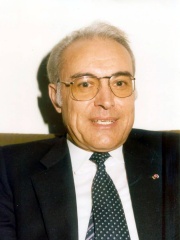
Rachid Sfar
1933 - 2023
HPI: 57.68
Rank: 43
Hédi Amara Nouira
1911 - 1993
HPI: 57.03
Rank: 44