Politico
Shelley Moore Capito
1953 - presente
IT.WIKIPEDIA PAGE VIEWS (PV)
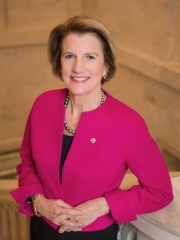

 Shelley Moore Capito
La sua biografia è disponibile in 31 lingue su Wikipedia (in aumento rispetto a 29 nel 2024). Shelley Moore Capito è la 18199ª politico più popolare (in calo dal 18026ª nel 2024), la 14243ª biografia più popolare della Stati Uniti (in calo dal 14008ª nel 2019) e la 1100ª politico più popolare della Stati Uniti.
Memorability Metrics
Page views of Shelley Moore Capito by language
Among Politicos
Among politicos, Shelley Moore Capito ranks 18,199 out of 19,576. Before her are Giancarlo Giorgetti, Mário Centeno, Pedro Zerolo, Lincoln Chafee, Robert Smalls, and Reema bint Bandar Al Saud. After her are John B. Weller, Hossein Rezazadeh, Rebecca Long-Bailey, Dieter Althaus, Ben Nelson, and Dalton Tagelagi.
Most Popular Politicos in Wikipedia
Go to all Rankings

Giancarlo Giorgetti
1966 - Present
HPI: 47.82
Rank: 18,200
Mário Centeno
1966 - Present
HPI: 47.82
Rank: 18,201
Pedro Zerolo
1960 - 2015
HPI: 47.81
Rank: 18,202
Lincoln Chafee
1953 - Present
HPI: 47.80
Rank: 18,203
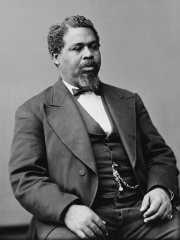
Robert Smalls
1839 - 1915
HPI: 47.80
Rank: 18,204

Reema bint Bandar Al Saud
1975 - Present
HPI: 47.79
Rank: 18,205
Shelley Moore Capito
1953 - Present
HPI: 47.79
Rank: 18,206
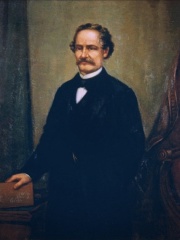
John B. Weller
1812 - 1875
HPI: 47.78
Rank: 18,207
Hossein Rezazadeh
1978 - Present
HPI: 47.78
Rank: 18,208
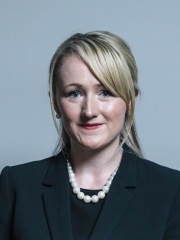
Rebecca Long-Bailey
1979 - Present
HPI: 47.78
Rank: 18,209

Dieter Althaus
1958 - Present
HPI: 47.78
Rank: 18,210
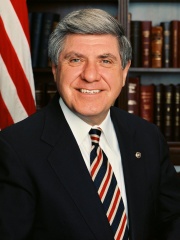
Ben Nelson
1941 - Present
HPI: 47.78
Rank: 18,211
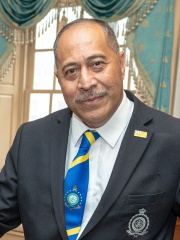
Dalton Tagelagi
1968 - Present
HPI: 47.77
Rank: 18,212

Contemporaries
Among people born in 1953, Shelley Moore Capito ranks 642. Before her are Hu Shuli, Sam Kinison, Tim Gunn, Robert Thirsk, Danny Philip, and Lincoln Chafee. After her are Moushumi Chatterjee, Pat Cadigan, Vladimir Kolev, Alistair Darling, Linda Lingle, and Michael Chertoff.
Others Born in 1953
Go to all Rankings
Hu Shuli
JOURNALIST
1953 - Present
HPI: 47.87
Rank: 636
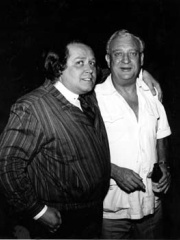
Sam Kinison
COMEDIAN
1953 - 1992
HPI: 47.87
Rank: 637
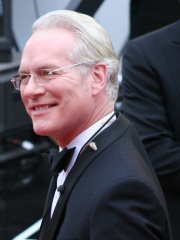
Tim Gunn
ACTOR
1953 - Present
HPI: 47.85
Rank: 638

Robert Thirsk
ASTRONAUT
1953 - Present
HPI: 47.84
Rank: 639
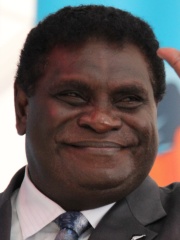
Danny Philip
POLITICIAN
1953 - Present
HPI: 47.83
Rank: 640
Lincoln Chafee
POLITICIAN
1953 - Present
HPI: 47.80
Rank: 641
Shelley Moore Capito
POLITICIAN
1953 - Present
HPI: 47.79
Rank: 642

Moushumi Chatterjee
ACTOR
1953 - Present
HPI: 47.77
Rank: 643
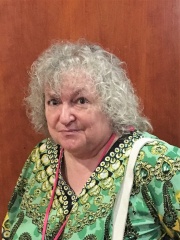
Pat Cadigan
WRITER
1953 - Present
HPI: 47.76
Rank: 644

Vladimir Kolev
BOXER
1953 - Present
HPI: 47.72
Rank: 645
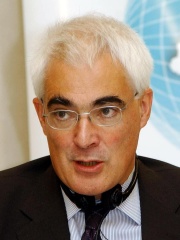
Alistair Darling
POLITICIAN
1953 - 2023
HPI: 47.70
Rank: 646
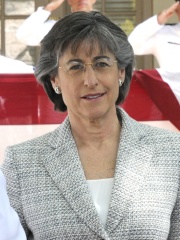
Linda Lingle
POLITICIAN
1953 - Present
HPI: 47.59
Rank: 647
Michael Chertoff
POLITICIAN
1953 - Present
HPI: 47.58
Rank: 648
In Stati Uniti
Among people born in Stati Uniti, Shelley Moore Capito ranks 14,247 out of NaN. Before her are Robert Smalls (1839), Derrick May (1963), Blake Griffin (1989), Joe Mantello (1962), Roger Sanchez (1967), and Frank Lovejoy (1912). After her are Weston McKennie (1998), Jonathan Adams (1967), Charles Portis (1933), Leonard Maltin (1950), Chris Hero (1979), and Annalise Basso (1998).
Others born in Stati Uniti
Go to all RankingsRobert Smalls
POLITICIAN
1839 - 1915
HPI: 47.80
Rank: 14,241

Derrick May
MUSICIAN
1963 - Present
HPI: 47.80
Rank: 14,242
Blake Griffin
BASKETBALL PLAYER
1989 - Present
HPI: 47.80
Rank: 14,243
Joe Mantello
ACTOR
1962 - Present
HPI: 47.79
Rank: 14,244

Roger Sanchez
MUSICIAN
1967 - Present
HPI: 47.79
Rank: 14,245

Frank Lovejoy
ACTOR
1912 - 1962
HPI: 47.79
Rank: 14,246
Shelley Moore Capito
POLITICIAN
1953 - Present
HPI: 47.79
Rank: 14,247
Weston McKennie
SOCCER PLAYER
1998 - Present
HPI: 47.78
Rank: 14,248

Jonathan Adams
ACTOR
1967 - Present
HPI: 47.78
Rank: 14,249
Charles Portis
WRITER
1933 - 2020
HPI: 47.78
Rank: 14,250

Leonard Maltin
WRITER
1950 - Present
HPI: 47.78
Rank: 14,251
Chris Hero
WRESTLER
1979 - Present
HPI: 47.78
Rank: 14,252

Annalise Basso
ACTOR
1998 - Present
HPI: 47.78
Rank: 14,253
Among Politicos In Stati Uniti
Among politicos born in Stati Uniti, Shelley Moore Capito ranks 1,100. Before her are Alberto Gonzales (1955), Hakeem Jeffries (1970), Peter Fitzgerald (1960), Sam Rayburn (1882), Lincoln Chafee (1953), and Robert Smalls (1839). After her are John B. Weller (1812), Ben Nelson (1941), Alex Padilla (1973), Martha Layne Collins (1936), Mike Oxley (1944), and Paul LePage (1948).
Alberto Gonzales
1955 - Present
HPI: 47.87
Rank: 1,094
Hakeem Jeffries
1970 - Present
HPI: 47.86
Rank: 1,095
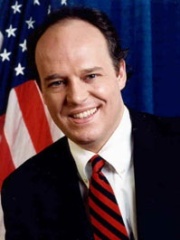
Peter Fitzgerald
1960 - Present
HPI: 47.86
Rank: 1,096
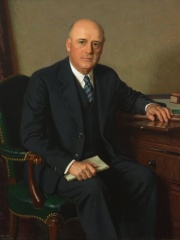
Sam Rayburn
1882 - 1961
HPI: 47.85
Rank: 1,097
Lincoln Chafee
1953 - Present
HPI: 47.80
Rank: 1,098
Robert Smalls
1839 - 1915
HPI: 47.80
Rank: 1,099
Shelley Moore Capito
1953 - Present
HPI: 47.79
Rank: 1,100
John B. Weller
1812 - 1875
HPI: 47.78
Rank: 1,101
Ben Nelson
1941 - Present
HPI: 47.78
Rank: 1,102
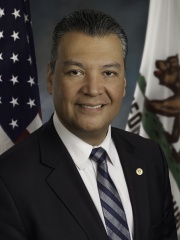
Alex Padilla
1973 - Present
HPI: 47.72
Rank: 1,103
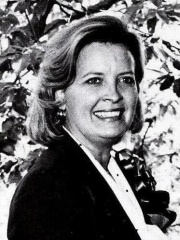
Martha Layne Collins
1936 - 2025
HPI: 47.68
Rank: 1,104
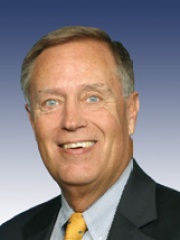
Mike Oxley
1944 - 2016
HPI: 47.67
Rank: 1,105
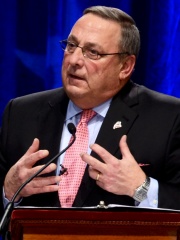
Paul LePage
1948 - Present
HPI: 47.65
Rank: 1,106