Politico
Prayut Chan-o-cha
1954 - presente
IT.WIKIPEDIA PAGE VIEWS (PV)
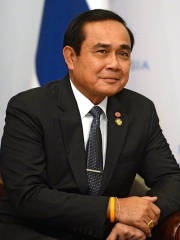
 Prayut Chan-o-cha
La sua biografia è disponibile in 54 lingue su Wikipedia (in aumento rispetto a 53 nel 2024). Prayut Chan-o-cha è il 6234° politico più popolare (in calo dal 4600° nel 2024), la 22ª biografia più popolare della Thailandia (in calo dal 16ª nel 2019) e il 16° politico più popolare della Thailandia.
Memorability Metrics
Page views of Prayut Chan-o-cha by language
Among Politicos
Among politicos, Prayut Chan-o-cha ranks 6,234 out of 19,576. Before him are Juan María Bordaberry, Hisham III of Córdoba, Barthélemy Boganda, John Henry, Margrave of Moravia, Einar Gerhardsen, and Princess Maria of Greece and Denmark. After him are Theophylact I, Count of Tusculum, Adherbal, Mehdi Ben Barka, Stephen II, Duke of Bavaria, Timur Shah Durrani, and Ivan Vyhovsky.
Most Popular Politicos in Wikipedia
Go to all Rankings
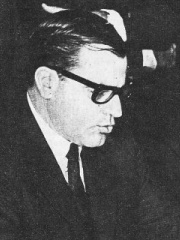
Juan María Bordaberry
1928 - 2011
HPI: 65.03
Rank: 6,230

Hisham III of Córdoba
975 - 1036
HPI: 65.03
Rank: 6,231
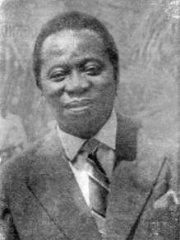
Barthélemy Boganda
1910 - 1959
HPI: 65.03
Rank: 6,232
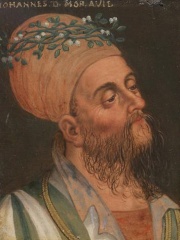
John Henry, Margrave of Moravia
1322 - 1375
HPI: 65.03
Rank: 6,233
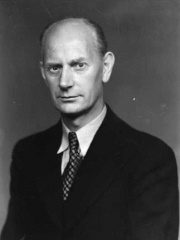
Einar Gerhardsen
1897 - 1987
HPI: 65.02
Rank: 6,234
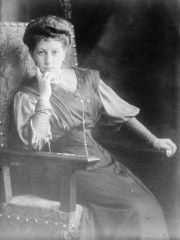
Princess Maria of Greece and Denmark
1876 - 1940
HPI: 65.02
Rank: 6,235
Prayut Chan-o-cha
1954 - Present
HPI: 65.02
Rank: 6,236

Theophylact I, Count of Tusculum
860 - 920
HPI: 65.02
Rank: 6,237
Adherbal
200 BC - 112 BC
HPI: 65.02
Rank: 6,238
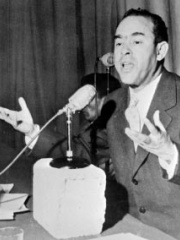
Mehdi Ben Barka
1920 - 1965
HPI: 65.02
Rank: 6,239
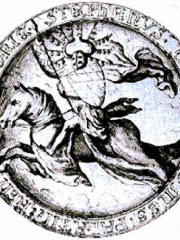
Stephen II, Duke of Bavaria
1319 - 1375
HPI: 65.02
Rank: 6,240
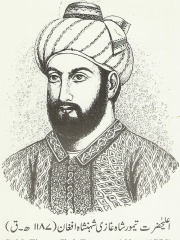
Timur Shah Durrani
1748 - 1793
HPI: 65.02
Rank: 6,241
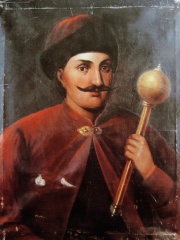
Ivan Vyhovsky
1608 - 1664
HPI: 65.02
Rank: 6,242

Contemporaries
Among people born in 1954, Prayut Chan-o-cha ranks 88. Before him are Kailash Satyarthi, Kim Pyong-il, Mirza Delibašić, Rashad al-Alimi, Patsy Reddy, and Marco Tardelli. After him are Rafael Orozco Maestre, Seka, Eric Gerets, Andrei Karlov, Hrant Dink, and Jermaine Jackson.
Others Born in 1954
Go to all Rankings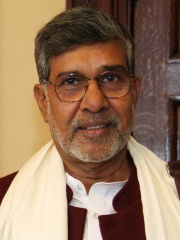
Kailash Satyarthi
SOCIAL ACTIVIST
1954 - Present
HPI: 65.39
Rank: 82
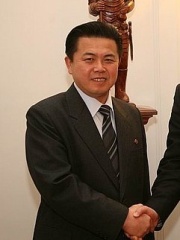
Kim Pyong-il
POLITICIAN
1954 - Present
HPI: 65.37
Rank: 83
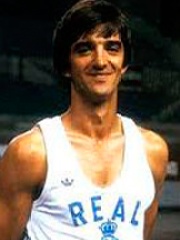
Mirza Delibašić
BASKETBALL PLAYER
1954 - 2001
HPI: 65.31
Rank: 84
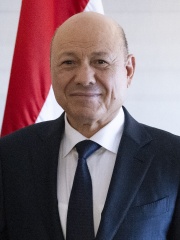
Rashad al-Alimi
POLITICIAN
1954 - Present
HPI: 65.28
Rank: 85
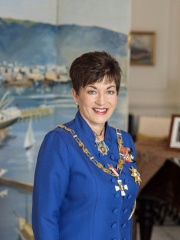
Patsy Reddy
POLITICIAN
1954 - Present
HPI: 65.23
Rank: 86
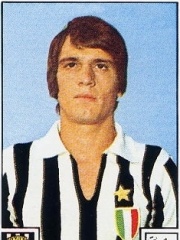
Marco Tardelli
SOCCER PLAYER
1954 - Present
HPI: 65.08
Rank: 87
Prayut Chan-o-cha
POLITICIAN
1954 - Present
HPI: 65.02
Rank: 88
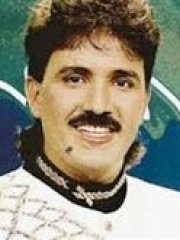
Rafael Orozco Maestre
SINGER
1954 - 1992
HPI: 65.02
Rank: 89
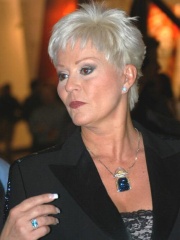
Seka
PORNOGRAPHIC ACTOR
1954 - Present
HPI: 64.96
Rank: 90

Eric Gerets
COACH
1954 - Present
HPI: 64.89
Rank: 91
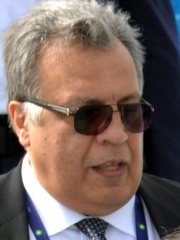
Andrei Karlov
POLITICIAN
1954 - 2016
HPI: 64.88
Rank: 92
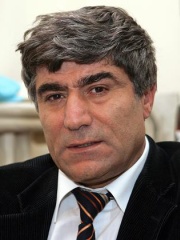
Hrant Dink
SOCIAL ACTIVIST
1954 - 2007
HPI: 64.72
Rank: 93
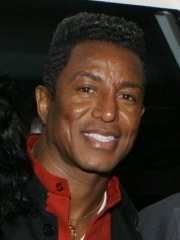
Jermaine Jackson
MUSICIAN
1954 - Present
HPI: 64.51
Rank: 94
In Thailandia
Among people born in Thailandia, Prayut Chan-o-cha ranks 22 out of NaN. Before him are Lisa (1997), Emmanuelle Arsan (1932), Chaleo Yoovidhya (1923), Yingluck Shinawatra (1967), Rama II of Siam (1767), and Rama III (1788). After him are Samak Sundaravej (1935), Somchai Wongsawat (1947), Nouhak Phoumsavanh (1910), Thanin Kraivichien (1927), Thanom Kittikachorn (1911), and Narai (1629).
Others born in Thailandia
Go to all Rankings
Lisa
SINGER
1997 - Present
HPI: 66.63
Rank: 16
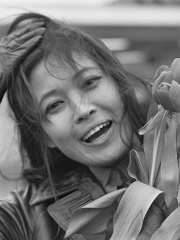
Emmanuelle Arsan
WRITER
1932 - 2005
HPI: 66.22
Rank: 17
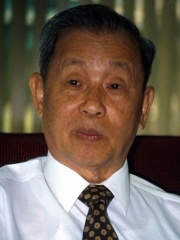
Chaleo Yoovidhya
BUSINESSPERSON
1923 - 2012
HPI: 66.20
Rank: 18
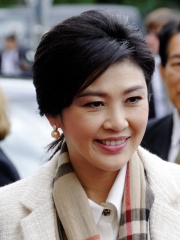
Yingluck Shinawatra
BUSINESSPERSON
1967 - Present
HPI: 66.04
Rank: 19
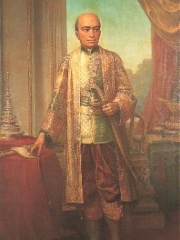
Rama II of Siam
POLITICIAN
1767 - 1824
HPI: 65.62
Rank: 20
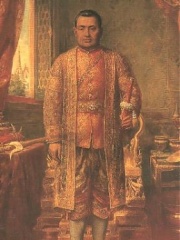
Rama III
POLITICIAN
1788 - 1851
HPI: 65.48
Rank: 21
Prayut Chan-o-cha
POLITICIAN
1954 - Present
HPI: 65.02
Rank: 22
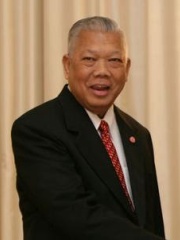
Samak Sundaravej
POLITICIAN
1935 - 2009
HPI: 64.99
Rank: 23
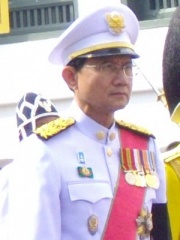
Somchai Wongsawat
POLITICIAN
1947 - Present
HPI: 64.96
Rank: 24
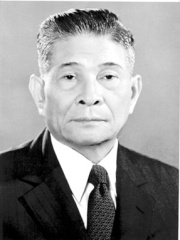
Nouhak Phoumsavanh
POLITICIAN
1910 - 2008
HPI: 64.84
Rank: 25
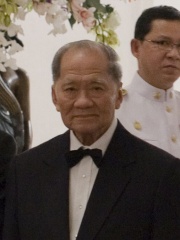
Thanin Kraivichien
POLITICIAN
1927 - 2025
HPI: 64.60
Rank: 26
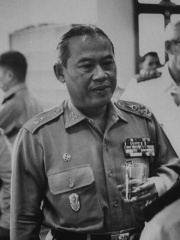
Thanom Kittikachorn
POLITICIAN
1911 - 2004
HPI: 64.34
Rank: 27
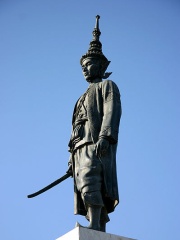
Narai
POLITICIAN
1629 - 1688
HPI: 64.23
Rank: 28
Among Politicos In Thailandia
Among politicos born in Thailandia, Prayut Chan-o-cha ranks 16. Before him are Rama I (1736), Prem Tinsulanonda (1920), Pridi Banomyong (1900), Naresuan (1555), Rama II of Siam (1767), and Rama III (1788). After him are Samak Sundaravej (1935), Somchai Wongsawat (1947), Nouhak Phoumsavanh (1910), Thanin Kraivichien (1927), Thanom Kittikachorn (1911), and Narai (1629).
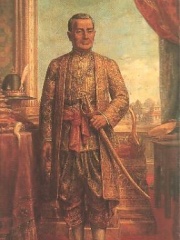
Rama I
1736 - 1809
HPI: 69.92
Rank: 10
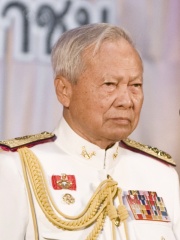
Prem Tinsulanonda
1920 - 2019
HPI: 69.91
Rank: 11
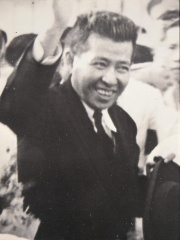
Pridi Banomyong
1900 - 1983
HPI: 68.40
Rank: 12
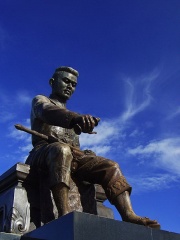
Naresuan
1555 - 1605
HPI: 66.93
Rank: 13
Rama II of Siam
1767 - 1824
HPI: 65.62
Rank: 14
Rama III
1788 - 1851
HPI: 65.48
Rank: 15
Prayut Chan-o-cha
1954 - Present
HPI: 65.02
Rank: 16
Samak Sundaravej
1935 - 2009
HPI: 64.99
Rank: 17
Somchai Wongsawat
1947 - Present
HPI: 64.96
Rank: 18
Nouhak Phoumsavanh
1910 - 2008
HPI: 64.84
Rank: 19
Thanin Kraivichien
1927 - 2025
HPI: 64.60
Rank: 20
Thanom Kittikachorn
1911 - 2004
HPI: 64.34
Rank: 21
Narai
1629 - 1688
HPI: 64.23
Rank: 22