Figura religiosa
Peter Turkson
1948 - presente
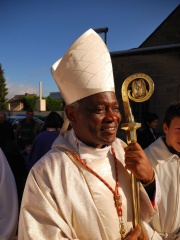
 Peter Turkson
Peter Kodwo Appiah Turkson (Wassaw Nsuta, 11 ottobre 1948) è un cardinale e arcivescovo cattolico ghanese, dal 4 aprile 2022 cancelliere della Pontificia accademia delle scienze e della Pontificia accademia delle scienze sociali. Dall'8 settembre 2025 è il cardinale elettore di più antica nomina. Leggi di più su Wikipedia
His biography is available in 42 different languages on Wikipedia (up from 36 in 2024). Peter Turkson is the 777th most popular figura religiosa (up from 1,830th in 2024), the 3rd most popular biography from Ghana (up from 11th in 2019) and the most popular Ghanaian Figura Religiosa.
Memorability Metrics
Page views of Peter Turkson by language
Among Figura religiosas
Among figura religiosas, Peter Turkson ranks 777 out of 3,187. Before him are Menachem Mendel Schneerson, Giovanni Angelo Becciu, Lucile Randon, Antipope Paschal III, Mirza Ghulam Ahmad, and Charles I, Count of Flanders. After him are Willibrord, Augustine of Canterbury, Apollinaris of Ravenna, Eutychius of Constantinople, József Mindszenty, and Phoebe.
Most Popular Figura Religiosas in Wikipedia
Go to all Rankings
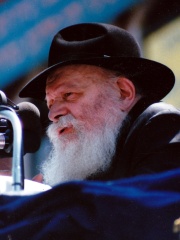
Menachem Mendel Schneerson
1902 - 1994
HPI: 69.66
Rank: 771
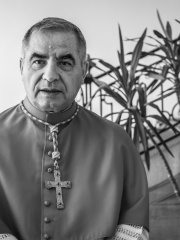
Giovanni Angelo Becciu
1948 - Present
HPI: 69.64
Rank: 772
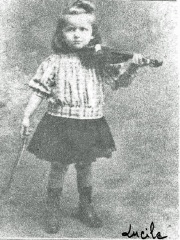
Lucile Randon
1904 - 2023
HPI: 69.61
Rank: 773
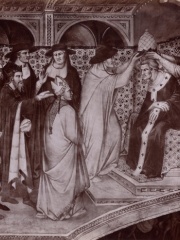
Antipope Paschal III
1110 - 1168
HPI: 69.59
Rank: 774
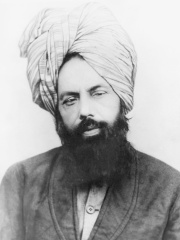
Mirza Ghulam Ahmad
1835 - 1908
HPI: 69.56
Rank: 775
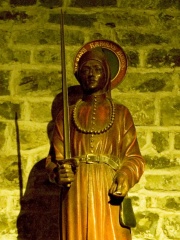
Charles I, Count of Flanders
1083 - 1127
HPI: 69.55
Rank: 776
Peter Turkson
1948 - Present
HPI: 69.55
Rank: 777
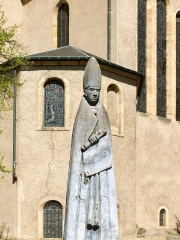
Willibrord
658 - 739
HPI: 69.54
Rank: 778
Augustine of Canterbury
510 - 604
HPI: 69.53
Rank: 779
Apollinaris of Ravenna
101 - 75
HPI: 69.51
Rank: 780
Eutychius of Constantinople
512 - 582
HPI: 69.51
Rank: 781

József Mindszenty
1892 - 1975
HPI: 69.50
Rank: 782
Phoebe
50 - 100
HPI: 69.48
Rank: 783

Contemporaries
Among people born in 1948, Peter Turkson ranks 60. Before him are Rudolf Schenker, Tony Iommi, Powers Boothe, Baldwin Spencer, Grace Jones, and Giovanni Angelo Becciu. After him are Phylicia Rashad, Maye Musk, Claude Jade, Ian Paice, Arie Haan, and Bille August.
Others Born in 1948
Go to all Rankings
Rudolf Schenker
MUSICIAN
1948 - Present
HPI: 70.20
Rank: 54
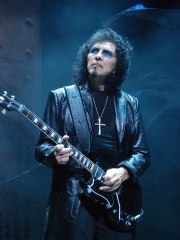
Tony Iommi
MUSICIAN
1948 - Present
HPI: 70.04
Rank: 55
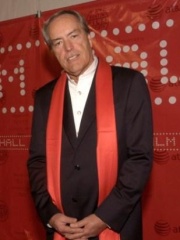
Powers Boothe
ACTOR
1948 - 2017
HPI: 70.02
Rank: 56
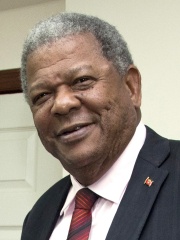
Baldwin Spencer
POLITICIAN
1948 - Present
HPI: 69.98
Rank: 57

Grace Jones
SINGER
1948 - Present
HPI: 69.91
Rank: 58
Giovanni Angelo Becciu
RELIGIOUS FIGURE
1948 - Present
HPI: 69.64
Rank: 59
Peter Turkson
RELIGIOUS FIGURE
1948 - Present
HPI: 69.55
Rank: 60
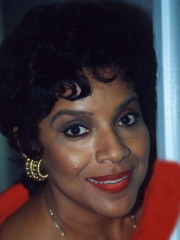
Phylicia Rashad
ACTOR
1948 - Present
HPI: 69.40
Rank: 61
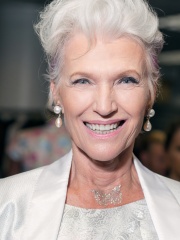
Maye Musk
MODEL
1948 - Present
HPI: 69.31
Rank: 62

Claude Jade
ACTOR
1948 - 2006
HPI: 69.16
Rank: 63
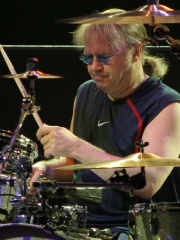
Ian Paice
MUSICIAN
1948 - Present
HPI: 69.05
Rank: 64
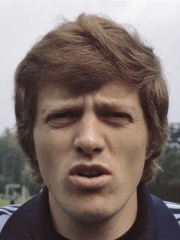
Arie Haan
SOCCER PLAYER
1948 - Present
HPI: 68.97
Rank: 65
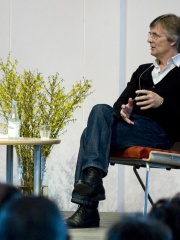
Bille August
FILM DIRECTOR
1948 - Present
HPI: 68.96
Rank: 66
In Ghana
Among people born in Ghana, Peter Turkson ranks 3 out of 162. Before him are Kofi Annan (1938), and Kwame Nkrumah (1909). After him are John Mahama (1958), John Atta Mills (1944), Nana Akufo-Addo (1944), Marcel Desailly (1968), Sylvanus Olympio (1902), Abedi Pele (1964), John Kufuor (1938), Jerry Rawlings (1947), and Anton Wilhelm Amo (1703).
Others born in Ghana
Go to all Rankings
Kofi Annan
DIPLOMAT
1938 - 2018
HPI: 81.80
Rank: 1
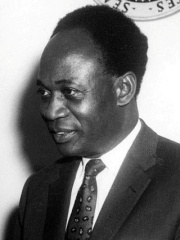
Kwame Nkrumah
POLITICIAN
1909 - 1972
HPI: 74.70
Rank: 2
Peter Turkson
RELIGIOUS FIGURE
1948 - Present
HPI: 69.55
Rank: 3
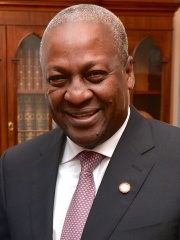
John Mahama
POLITICIAN
1958 - Present
HPI: 69.44
Rank: 4
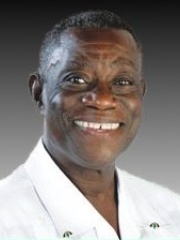
John Atta Mills
POLITICIAN
1944 - 2012
HPI: 67.20
Rank: 5
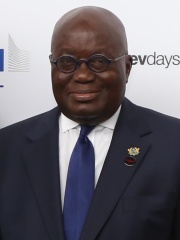
Nana Akufo-Addo
POLITICIAN
1944 - Present
HPI: 66.87
Rank: 6
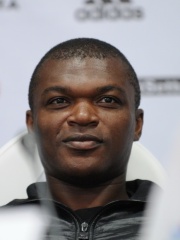
Marcel Desailly
SOCCER PLAYER
1968 - Present
HPI: 66.43
Rank: 7
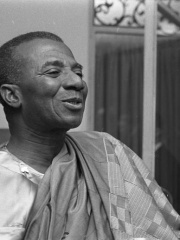
Sylvanus Olympio
POLITICIAN
1902 - 1963
HPI: 66.02
Rank: 8
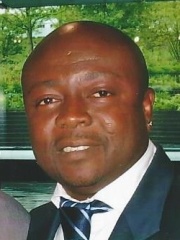
Abedi Pele
SOCCER PLAYER
1964 - Present
HPI: 65.51
Rank: 9
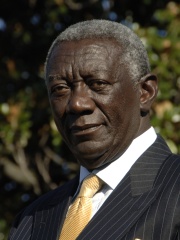
John Kufuor
POLITICIAN
1938 - Present
HPI: 65.22
Rank: 10
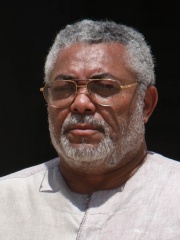
Jerry Rawlings
POLITICIAN
1947 - 2020
HPI: 64.64
Rank: 11
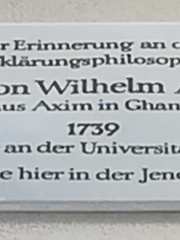
Anton Wilhelm Amo
PHILOSOPHER
1703 - 1759
HPI: 63.91
Rank: 12
Among Figura religiosas In Ghana
Among figura religiosas born in Ghana, Peter Turkson ranks 1. After him are Peter Poreku Dery (1918), and Richard Baawobr (1959).
Peter Turkson
1948 - Present
HPI: 69.55
Rank: 1
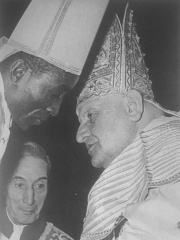
Peter Poreku Dery
1918 - 2008
HPI: 58.88
Rank: 2
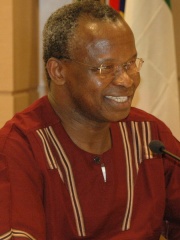
Richard Baawobr
1959 - 2022
HPI: 53.44
Rank: 3