Figura religiosa
Nectarius of Constantinople
IT.WIKIPEDIA PAGE VIEWS (PV)
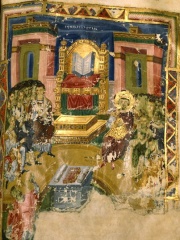
 Nectarius of Constantinople
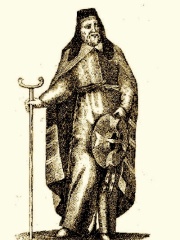
Nettario (Tarso, ... – 17 settembre 397) è stato un arcivescovo bizantino che guidò l'arcidiocesi di Costantinopoli dal 381 fino alla sua morte, successore di San Gregorio Nazianzeno. Leggi di più su Wikipedia
La sua biografia è disponibile in 18 lingue su Wikipedia (in aumento rispetto a 17 nel 2024). Nectarius of Constantinople è il 1247° figura religiosa più popolare (in aumento dal 2153° nel 2024), la 563ª biografia più popolare della Turchia (in aumento dal 961ª nel 2019) e il 86° figura religiosa più popolare della Turchia.
Memorability Metrics
Page views of Nectarius of Constantinople by language
Among Figura religiosas
Among figura religiosas, Nectarius of Constantinople ranks 1,247 out of 3,187. Before him are Jacob Baradaeus, William Levada, Margaret of Cortona, Jebtsundamba Khutuktu, Shoghi Effendi, and Dinkha IV. After him are Vincent Pallotti, Germain of Paris, Mario Grech, Saint Afra, Dorotheus of Gaza, and Georg Gänswein.
Most Popular Figura Religiosas in Wikipedia
Go to all Rankings

Jacob Baradaeus
505 - 578
HPI: 65.01
Rank: 1,241
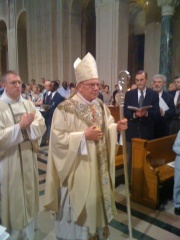
William Levada
1936 - 2019
HPI: 65.01
Rank: 1,242
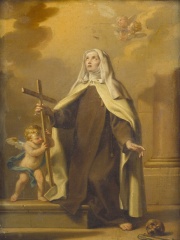
Margaret of Cortona
1247 - 1297
HPI: 65.01
Rank: 1,243

Jebtsundamba Khutuktu
HPI: 65.00
Rank: 1,244
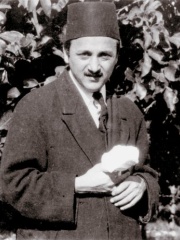
Shoghi Effendi
1897 - 1957
HPI: 65.00
Rank: 1,245
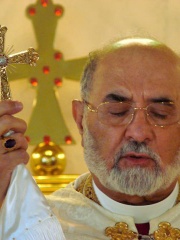
Dinkha IV
1935 - 2015
HPI: 64.98
Rank: 1,246
Nectarius of Constantinople
HPI: 64.98
Rank: 1,247
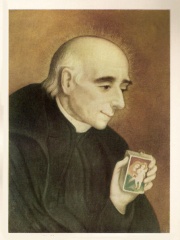
Vincent Pallotti
1795 - 1850
HPI: 64.97
Rank: 1,248
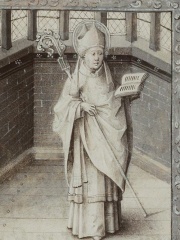
Germain of Paris
496 - 576
HPI: 64.97
Rank: 1,249
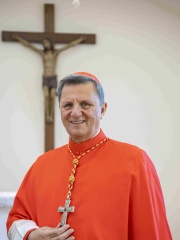
Mario Grech
1957 - Present
HPI: 64.97
Rank: 1,250
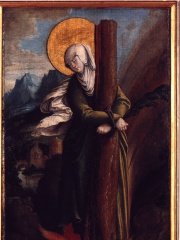
Saint Afra
300 - 304
HPI: 64.95
Rank: 1,251
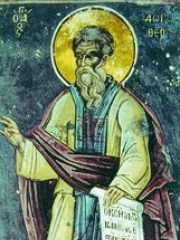
Dorotheus of Gaza
510 - 620
HPI: 64.93
Rank: 1,252
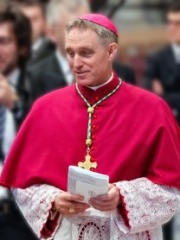
Georg Gänswein
1956 - Present
HPI: 64.92
Rank: 1,253

In Turchia
Among people born in Turchia, Nectarius of Constantinople ranks 563 out of NaN. Before him are Aziz Sancar (1946), Sultan Kösen (1982), George Hamartolos (900), Leo the Deacon (950), Leo II, King of Armenia (1236), and Jacob Baradaeus (505). After him are Martina (598), Gülbahar Hatun (1429), Dorotheus of Gaza (510), Fevzi Çakmak (1876), Atticus of Constantinople (370), and Scylax of Caryanda (-600).
Others born in Turchia
Go to all Rankings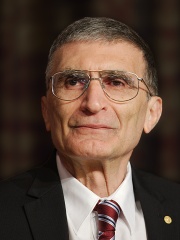
Aziz Sancar
CHEMIST
1946 - Present
HPI: 65.05
Rank: 557

Sultan Kösen
CELEBRITY
1982 - Present
HPI: 65.05
Rank: 558
George Hamartolos
RELIGIOUS FIGURE
900 - 867
HPI: 65.04
Rank: 559

Leo the Deacon
HISTORIAN
950 - 992
HPI: 65.02
Rank: 560
Leo II, King of Armenia
POLITICIAN
1236 - 1289
HPI: 65.02
Rank: 561
Jacob Baradaeus
RELIGIOUS FIGURE
505 - 578
HPI: 65.01
Rank: 562
Nectarius of Constantinople
RELIGIOUS FIGURE
HPI: 64.98
Rank: 563
Martina
POLITICIAN
598 - 641
HPI: 64.97
Rank: 564
Gülbahar Hatun
POLITICIAN
1429 - 1492
HPI: 64.97
Rank: 565
Dorotheus of Gaza
RELIGIOUS FIGURE
510 - 620
HPI: 64.93
Rank: 566

Fevzi Çakmak
POLITICIAN
1876 - 1950
HPI: 64.92
Rank: 567
Atticus of Constantinople
POLITICIAN
370 - 425
HPI: 64.92
Rank: 568

Scylax of Caryanda
EXPLORER
600 BC - 500 BC
HPI: 64.91
Rank: 569
Among Figura religiosas In Turchia
Among figura religiosas born in Turchia, Nectarius of Constantinople ranks 86. Before him are Gerasimus of the Jordan (500), Eustathius of Antioch (300), Nicholas Mystikos (852), Theodore of Mopsuestia (350), George Hamartolos (900), and Jacob Baradaeus (505). After him are Dorotheus of Gaza (510), Meletius of Antioch (400), Stachys the Apostle (20), Simeon Stylites the Younger (521), Mark of Ephesus (1392), and John XI of Constantinople (1225).
Gerasimus of the Jordan
500 - 475
HPI: 66.20
Rank: 80
Eustathius of Antioch
300 - 400
HPI: 66.02
Rank: 81
Nicholas Mystikos
852 - 925
HPI: 65.89
Rank: 82

Theodore of Mopsuestia
350 - 428
HPI: 65.64
Rank: 83
George Hamartolos
900 - 867
HPI: 65.04
Rank: 84
Jacob Baradaeus
505 - 578
HPI: 65.01
Rank: 85
Nectarius of Constantinople
HPI: 64.98
Rank: 86
Dorotheus of Gaza
510 - 620
HPI: 64.93
Rank: 87
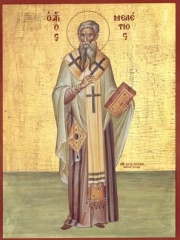
Meletius of Antioch
400 - 381
HPI: 64.68
Rank: 88
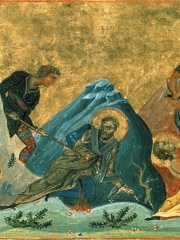
Stachys the Apostle
20 - 54
HPI: 64.57
Rank: 89
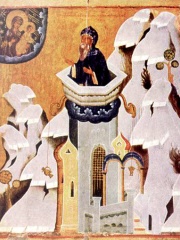
Simeon Stylites the Younger
521 - 597
HPI: 64.41
Rank: 90
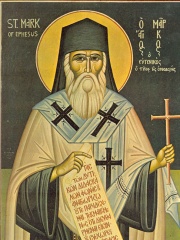
Mark of Ephesus
1392 - 1444
HPI: 64.37
Rank: 91
John XI of Constantinople
1225 - 1297
HPI: 64.36
Rank: 92




