Politico
Najla Bouden
1958 - presente
IT.WIKIPEDIA PAGE VIEWS (PV)
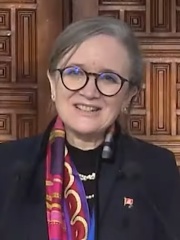

 Najla Bouden
La sua biografia è disponibile in 38 lingue su Wikipedia (in aumento rispetto a 37 nel 2024). Najla Bouden è la 8694ª politico più popolare (in aumento dal 11382ª nel 2024), la 56ª biografia più popolare della Tunisia (in aumento dal 68ª nel 2019) e la 32ª politico più popolare della Tunisia.
Memorability Metrics
Page views of Najla Bouden by language
Among Politicos
Among politicos, Najla Bouden ranks 8,694 out of 19,576. Before her are Gheorghe Tătărescu, Edward the Exile, Isabella of Valois, Duchess of Bourbon, Frederick, Prince of Hohenzollern, Liutpert, and Nicolas Hayek. After her are Djehuti, Yaakov Dori, Teréz Brunszvik, King Xian of Zhou, Jan Tarnowski, and Hans van den Broek.
Most Popular Politicos in Wikipedia
Go to all Rankings
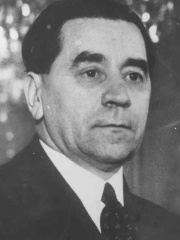
Gheorghe Tătărescu
1886 - 1957
HPI: 62.55
Rank: 8,692
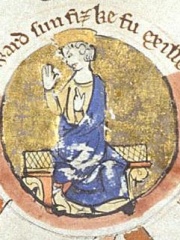
Edward the Exile
1016 - 1057
HPI: 62.55
Rank: 8,693
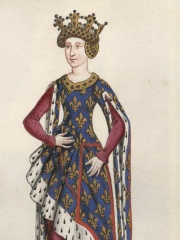
Isabella of Valois, Duchess of Bourbon
1313 - 1383
HPI: 62.55
Rank: 8,694
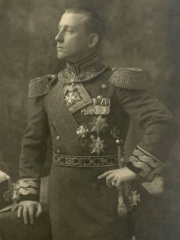
Frederick, Prince of Hohenzollern
1891 - 1965
HPI: 62.54
Rank: 8,695

Liutpert
680 - 702
HPI: 62.54
Rank: 8,696
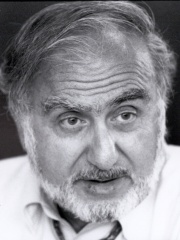
Nicolas Hayek
1928 - 2010
HPI: 62.54
Rank: 8,697
Najla Bouden
1958 - Present
HPI: 62.54
Rank: 8,698
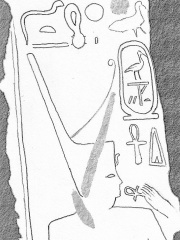
Djehuti
1650 BC - Present
HPI: 62.54
Rank: 8,699
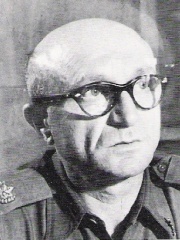
Yaakov Dori
1899 - 1973
HPI: 62.53
Rank: 8,700
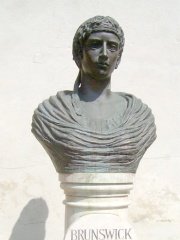
Teréz Brunszvik
1775 - 1861
HPI: 62.53
Rank: 8,701

King Xian of Zhou
400 BC - 321 BC
HPI: 62.53
Rank: 8,702
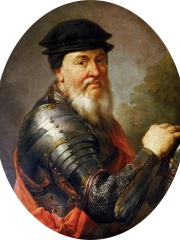
Jan Tarnowski
1488 - 1561
HPI: 62.53
Rank: 8,703
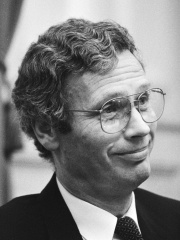
Hans van den Broek
1936 - 2025
HPI: 62.53
Rank: 8,704

Contemporaries
Among people born in 1958, Najla Bouden ranks 87. Before her are Javier Aguirre, Phạm Minh Chính, Riccardo Paletti, Dragan Đokanović, Alessandro Baricco, and Pernilla August. After her are Bruce Perens, Nambaryn Enkhbayar, Nikki Sixx, Bruce Campbell, Rachid Taha, and Ghazi Mashal Ajil al-Yawer.
Others Born in 1958
Go to all Rankings
Javier Aguirre
COACH
1958 - Present
HPI: 62.99
Rank: 81
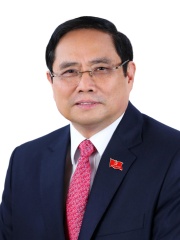
Phạm Minh Chính
POLITICIAN
1958 - Present
HPI: 62.97
Rank: 82

Riccardo Paletti
RACING DRIVER
1958 - 1982
HPI: 62.90
Rank: 83
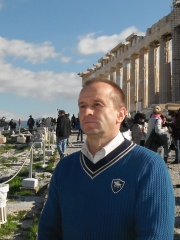
Dragan Đokanović
POLITICIAN
1958 - Present
HPI: 62.89
Rank: 84
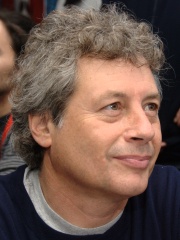
Alessandro Baricco
WRITER
1958 - Present
HPI: 62.58
Rank: 85
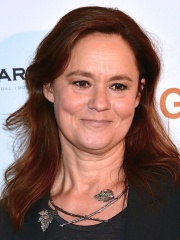
Pernilla August
ACTOR
1958 - Present
HPI: 62.57
Rank: 86
Najla Bouden
POLITICIAN
1958 - Present
HPI: 62.54
Rank: 87

Bruce Perens
COMPUTER SCIENTIST
1958 - Present
HPI: 62.49
Rank: 88
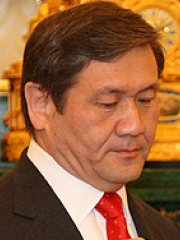
Nambaryn Enkhbayar
POLITICIAN
1958 - Present
HPI: 62.48
Rank: 89
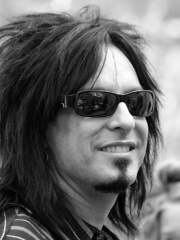
Nikki Sixx
MUSICIAN
1958 - Present
HPI: 62.48
Rank: 90
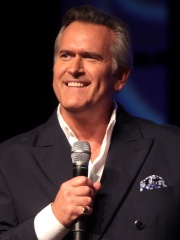
Bruce Campbell
ACTOR
1958 - Present
HPI: 62.41
Rank: 91
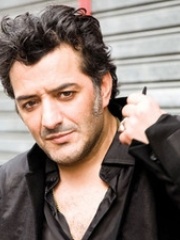
Rachid Taha
MUSICIAN
1958 - 2018
HPI: 62.39
Rank: 92
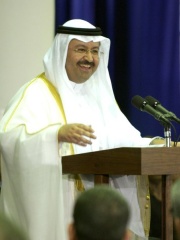
Ghazi Mashal Ajil al-Yawer
POLITICIAN
1958 - Present
HPI: 62.37
Rank: 93
In Tunisia
Among people born in Tunisia, Najla Bouden ranks 56 out of NaN. Before her are Hanno the Navigator (-633), Rached Ghannouchi (1941), Gaius Claudius Nero (-300), Albert Memmi (1920), Mohamed Ennaceur (1934), and Abdelmajid Lakhal (1939). After her are Hannibal Gisco (-300), Mohammed Gammoudi (1938), Hannibal Mago (-471), Bertrand Delanoë (1950), Asad ibn al-Furat (759), and Mohamed Bouazizi (1984).
Others born in Tunisia
Go to all Rankings
Hanno the Navigator
EXPLORER
633 BC - 530 BC
HPI: 63.30
Rank: 50
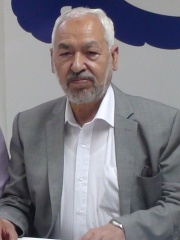
Rached Ghannouchi
POLITICIAN
1941 - Present
HPI: 63.23
Rank: 51
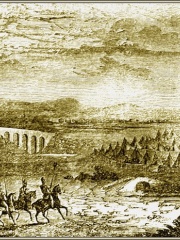
Gaius Claudius Nero
POLITICIAN
300 BC - 260 BC
HPI: 63.12
Rank: 52
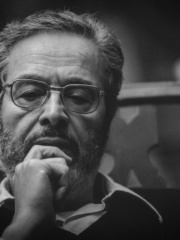
Albert Memmi
WRITER
1920 - 2020
HPI: 62.83
Rank: 53
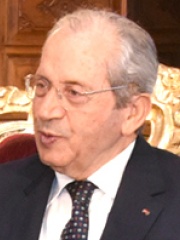
Mohamed Ennaceur
POLITICIAN
1934 - Present
HPI: 62.78
Rank: 54

Abdelmajid Lakhal
ACTOR
1939 - 2014
HPI: 62.73
Rank: 55
Najla Bouden
POLITICIAN
1958 - Present
HPI: 62.54
Rank: 56

Hannibal Gisco
MILITARY PERSONNEL
300 BC - 260 BC
HPI: 62.12
Rank: 57
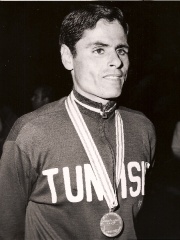
Mohammed Gammoudi
ATHLETE
1938 - Present
HPI: 61.80
Rank: 58

Hannibal Mago
POLITICIAN
471 BC - 406 BC
HPI: 61.56
Rank: 59
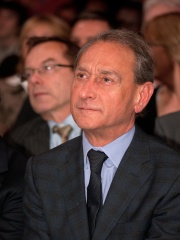
Bertrand Delanoë
POLITICIAN
1950 - Present
HPI: 61.23
Rank: 60

Asad ibn al-Furat
LAWYER
759 - 828
HPI: 61.19
Rank: 61
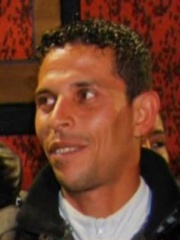
Mohamed Bouazizi
SOCIAL ACTIVIST
1984 - 2011
HPI: 60.94
Rank: 62
Among Politicos In Tunisia
Among politicos born in Tunisia, Najla Bouden ranks 32. Before her are Maharbal (-245), Salvius Julianus (115), Muhammad VIII al-Amin (1881), Rached Ghannouchi (1941), Gaius Claudius Nero (-300), and Mohamed Ennaceur (1934). After her are Hannibal Mago (-471), Bertrand Delanoë (1950), Hamadi Jebali (1949), Yusuf ibn 'Abd al-Rahman al-Fihri (711), Ibrahim II of Ifriqiya (850), and Sitt al-Mulk (970).

Maharbal
245 BC - 202 BC
HPI: 64.66
Rank: 26

Salvius Julianus
115 - 170
HPI: 63.83
Rank: 27
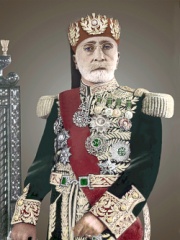
Muhammad VIII al-Amin
1881 - 1962
HPI: 63.72
Rank: 28
Rached Ghannouchi
1941 - Present
HPI: 63.23
Rank: 29
Gaius Claudius Nero
300 BC - 260 BC
HPI: 63.12
Rank: 30
Mohamed Ennaceur
1934 - Present
HPI: 62.78
Rank: 31
Najla Bouden
1958 - Present
HPI: 62.54
Rank: 32
Hannibal Mago
471 BC - 406 BC
HPI: 61.56
Rank: 33
Bertrand Delanoë
1950 - Present
HPI: 61.23
Rank: 34
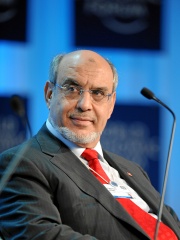
Hamadi Jebali
1949 - Present
HPI: 60.59
Rank: 35

Yusuf ibn 'Abd al-Rahman al-Fihri
711 - 759
HPI: 60.07
Rank: 36
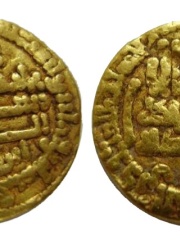
Ibrahim II of Ifriqiya
850 - 902
HPI: 59.72
Rank: 37

Sitt al-Mulk
970 - 1023
HPI: 59.37
Rank: 38