Politico
Michele Steno
1331 - 1413
IT.WIKIPEDIA PAGE VIEWS (PV)
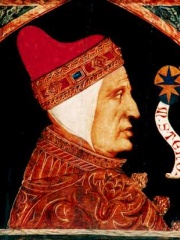
 Michele Steno
La sua biografia è disponibile in 20 lingue su Wikipedia. Michele Steno è la 11988ª politico più popolare (in calo dal 11303ª nel 2024), la 2953ª biografia più popolare dell'Italia (in calo dal 2854ª nel 2019) e la 737ª politico più popolare dell'Italia.
Memorability Metrics
Page views of Michele Steno by language
Among Politicos
Among politicos, Michele Steno ranks 11,988 out of 19,576. Before her are Richard Ratsimandrava, Frederick V, Landgrave of Hesse-Homburg, Nicolás Salmerón y Alonso, Nellie Tayloe Ross, Bouasone Bouphavanh, and Anatoliy Zlenko. After her are George Forbes, Sihathor, Androtion, Raúl Alberto Lastiri, Eleanor, Countess of Vermandois, and Aryenis.
Most Popular Politicos in Wikipedia
Go to all Rankings
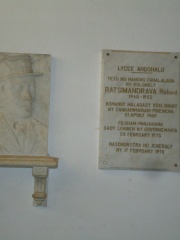
Richard Ratsimandrava
1931 - 1975
HPI: 59.34
Rank: 11,988
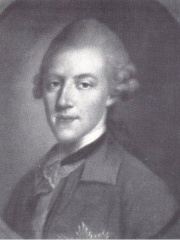
Frederick V, Landgrave of Hesse-Homburg
1748 - 1820
HPI: 59.34
Rank: 11,989
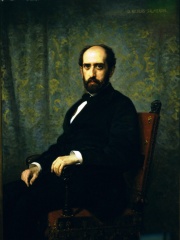
Nicolás Salmerón y Alonso
1838 - 1908
HPI: 59.34
Rank: 11,990
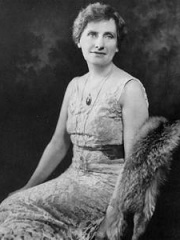
Nellie Tayloe Ross
1876 - 1977
HPI: 59.34
Rank: 11,991
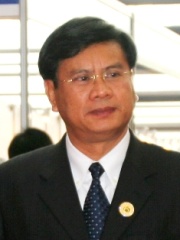
Bouasone Bouphavanh
1954 - Present
HPI: 59.34
Rank: 11,992
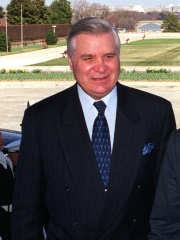
Anatoliy Zlenko
1938 - 2021
HPI: 59.33
Rank: 11,993
Michele Steno
1331 - 1413
HPI: 59.33
Rank: 11,994
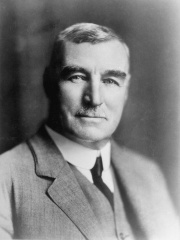
George Forbes
1869 - 1947
HPI: 59.33
Rank: 11,995
Sihathor
1800 BC - 1790 BC
HPI: 59.33
Rank: 11,996

Androtion
500 BC - 400 BC
HPI: 59.33
Rank: 11,997
Raúl Alberto Lastiri
1915 - 1978
HPI: 59.33
Rank: 11,998
Eleanor, Countess of Vermandois
1152 - 1213
HPI: 59.32
Rank: 11,999

Aryenis
550 BC - 600 BC
HPI: 59.32
Rank: 12,000

Contemporaries
Among people born in 1331, Michele Steno ranks 6. Before her are Catherine of Vadstena, Karl Thopia, Blanche of Navarre, Queen of France, Coluccio Salutati, and Gaston III, Count of Foix. Among people deceased in 1413, Michele Steno ranks 5. Before her are Henry IV of England, Musa Çelebi, Jalal al-Din Khan ibn Tokhtamysh, and Stephen III, Duke of Bavaria.
Others Born in 1331
Go to all Rankings
Catherine of Vadstena
RELIGIOUS FIGURE
1331 - 1381
HPI: 68.97
Rank: 1
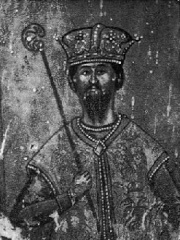
Karl Thopia
POLITICIAN
1331 - 1388
HPI: 68.58
Rank: 2
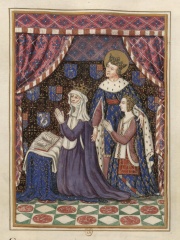
Blanche of Navarre, Queen of France
COMPANION
1331 - 1398
HPI: 67.55
Rank: 3
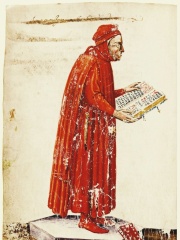
Coluccio Salutati
POLITICIAN
1331 - 1406
HPI: 65.79
Rank: 4
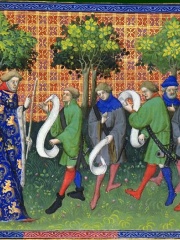
Gaston III, Count of Foix
WRITER
1331 - 1391
HPI: 62.68
Rank: 5
Michele Steno
POLITICIAN
1331 - 1413
HPI: 59.33
Rank: 6
Others Deceased in 1413
Go to all Rankings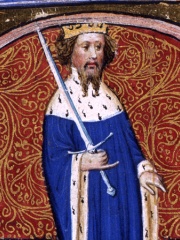
Henry IV of England
NOBLEMAN
1367 - 1413
HPI: 75.40
Rank: 1
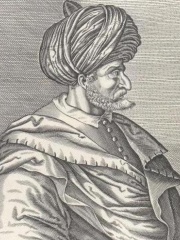
Musa Çelebi
POLITICIAN
1388 - 1413
HPI: 69.04
Rank: 2

Jalal al-Din Khan ibn Tokhtamysh
POLITICIAN
1380 - 1413
HPI: 64.08
Rank: 3
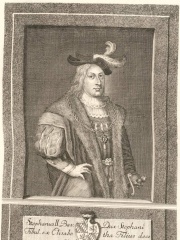
Stephen III, Duke of Bavaria
POLITICIAN
1337 - 1413
HPI: 64.05
Rank: 4
Michele Steno
POLITICIAN
1331 - 1413
HPI: 59.33
Rank: 5
In Italia
Among people born in Italia, Michele Steno ranks 2,953 out of NaN. Before her are Alessandro Tassoni (1565), Corrado Alvaro (1895), Gualtiero Bassetti (1942), Francesco Molin (1575), Amedeo Biavati (1915), and Antonio Cassano (1982). After her are Rose McGowan (1973), Philippine Leroy-Beaulieu (1963), Claudio Villa (1926), Clemente Micara (1879), Proculus (300), and Giancarlo Cornaggia-Medici (1904).
Others born in Italia
Go to all Rankings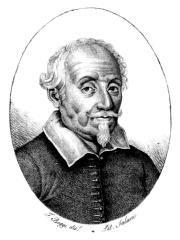
Alessandro Tassoni
WRITER
1565 - 1635
HPI: 59.36
Rank: 2,947
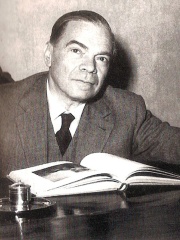
Corrado Alvaro
WRITER
1895 - 1956
HPI: 59.36
Rank: 2,948
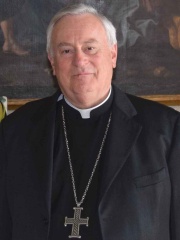
Gualtiero Bassetti
RELIGIOUS FIGURE
1942 - Present
HPI: 59.35
Rank: 2,949
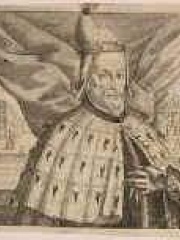
Francesco Molin
POLITICIAN
1575 - 1655
HPI: 59.35
Rank: 2,950
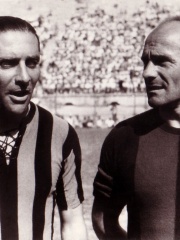
Amedeo Biavati
SOCCER PLAYER
1915 - 1979
HPI: 59.35
Rank: 2,951

Antonio Cassano
SOCCER PLAYER
1982 - Present
HPI: 59.35
Rank: 2,952
Michele Steno
POLITICIAN
1331 - 1413
HPI: 59.33
Rank: 2,953

Rose McGowan
ACTOR
1973 - Present
HPI: 59.33
Rank: 2,954

Philippine Leroy-Beaulieu
ACTOR
1963 - Present
HPI: 59.32
Rank: 2,955
Claudio Villa
SINGER
1926 - 1987
HPI: 59.32
Rank: 2,956

Clemente Micara
RELIGIOUS FIGURE
1879 - 1965
HPI: 59.31
Rank: 2,957
Proculus
POLITICIAN
300 - 281
HPI: 59.30
Rank: 2,958
Giancarlo Cornaggia-Medici
FENCER
1904 - 1970
HPI: 59.30
Rank: 2,959
Among Politicos In Italia
Among politicos born in Italia, Michele Steno ranks 737. Before her are Aulus Caecina Alienus (50), Domenico Monegario (750), Gianfranco Fini (1952), Gnaeus Domitius Ahenobarbus (-200), Fernando Tambroni (1901), and Francesco Molin (1575). After her are Proculus (300), Stefano Domenicali (1965), Pietro Loredan (1482), Giovanni Galbaio (800), Teodato Ipato (750), and Andrea Vendramin (1393).

Aulus Caecina Alienus
50 - 79
HPI: 59.44
Rank: 731
Domenico Monegario
750 - 764
HPI: 59.43
Rank: 732
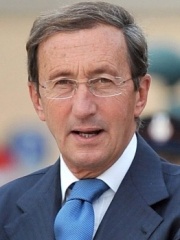
Gianfranco Fini
1952 - Present
HPI: 59.39
Rank: 733
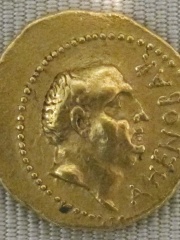
Gnaeus Domitius Ahenobarbus
200 BC - 89 BC
HPI: 59.39
Rank: 734
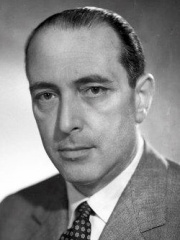
Fernando Tambroni
1901 - 1963
HPI: 59.36
Rank: 735
Francesco Molin
1575 - 1655
HPI: 59.35
Rank: 736
Michele Steno
1331 - 1413
HPI: 59.33
Rank: 737
Proculus
300 - 281
HPI: 59.30
Rank: 738

Stefano Domenicali
1965 - Present
HPI: 59.28
Rank: 739
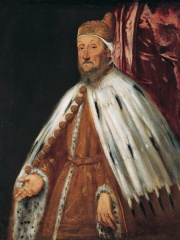
Pietro Loredan
1482 - 1570
HPI: 59.28
Rank: 740

Giovanni Galbaio
800 - 804
HPI: 59.24
Rank: 741
Teodato Ipato
750 - 800
HPI: 59.22
Rank: 742
Andrea Vendramin
1393 - 1478
HPI: 59.19
Rank: 743