Figura religiosa
Laban
1900 BC - presente
IT.WIKIPEDIA PAGE VIEWS (PV)
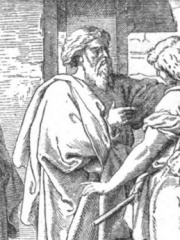
 Laban
Laban
Labano (in ebraico: לָבָן che significa bianco) è un personaggio della Bibbia. Egli è fratello di Rebecca, padre di Lia e Rachele, zio e poi suocero di Giacobbe. Leggi di più su Wikipedia
La sua biografia è disponibile in 41 lingue su Wikipedia (in aumento rispetto a 40 nel 2024). Laban è il 600° figura religiosa più popolare (in calo dal 484° nel 2024), la 248ª biografia più popolare della Turchia (in calo dal 194ª nel 2019) e il 40° figura religiosa più popolare della Turchia.
Memorability Metrics
Page views of Laban by language
Among Figura religiosas
Among figura religiosas, Laban ranks 600 out of 3,187. Before him are Luigi Lucheni, Christina of Bolsena, Dōgen, Jephthah, Devadatta, and Penitent thief. After him are Ansgar, Beatrice Portinari, Kevin Farrell, Camillus de Lellis, Rashi, and Sister Lúcia.
Most Popular Figura Religiosas in Wikipedia
Go to all Rankings
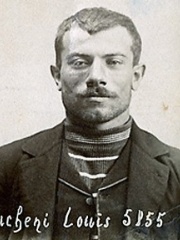
Luigi Lucheni
1873 - 1910
HPI: 72.39
Rank: 594
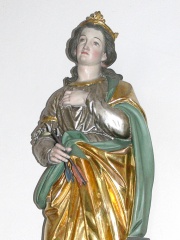
Christina of Bolsena
210 - 304
HPI: 72.38
Rank: 595
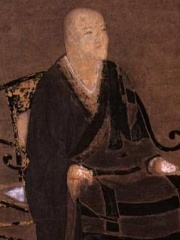
Dōgen
1200 - 1253
HPI: 72.38
Rank: 596
Jephthah
1118 BC - 1080 BC
HPI: 72.37
Rank: 597
Devadatta
1000 BC - 490 BC
HPI: 72.36
Rank: 598
Penitent thief
18 BC - 30
HPI: 72.34
Rank: 599
Laban
1900 BC - Present
HPI: 72.30
Rank: 600
Ansgar
801 - 865
HPI: 72.27
Rank: 601
Beatrice Portinari
1265 - 1290
HPI: 72.27
Rank: 602
Kevin Farrell
1947 - Present
HPI: 72.27
Rank: 603
Camillus de Lellis
1550 - 1614
HPI: 72.26
Rank: 604
Rashi
1040 - 1105
HPI: 72.15
Rank: 605
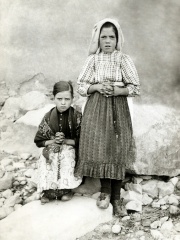
Sister Lúcia
1907 - 2005
HPI: 72.14
Rank: 606

Contemporaries
Among people born in 1900 BC, Laban ranks 2. Before him is Isaac. After him are Sobekneferu, Senusret II, Sargon I, Sin-Muballit, Apil-Sin, Yahdun-Lim, Sabium, Ikunum, Nur-Adad, and Da Ding.
Others Born in 1900 BC
Go to all Rankings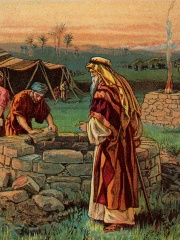
Isaac
RELIGIOUS FIGURE
1900 BC - 1533 BC
HPI: 86.63
Rank: 1
Laban
RELIGIOUS FIGURE
1900 BC - Present
HPI: 72.30
Rank: 2
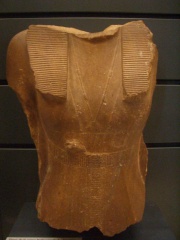
Sobekneferu
POLITICIAN
1900 BC - 1785 BC
HPI: 70.60
Rank: 3
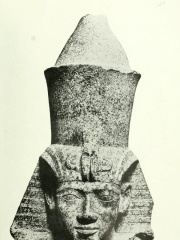
Senusret II
POLITICIAN
1900 BC - 1879 BC
HPI: 69.66
Rank: 4
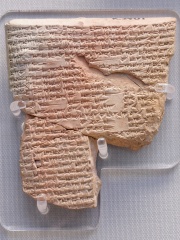
Sargon I
POLITICIAN
1900 BC - 1900 BC
HPI: 69.65
Rank: 5
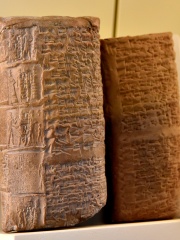
Sin-Muballit
POLITICIAN
1900 BC - 1793 BC
HPI: 67.66
Rank: 6

Apil-Sin
POLITICIAN
1900 BC - 1813 BC
HPI: 66.05
Rank: 7
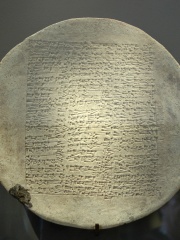
Yahdun-Lim
RELIGIOUS FIGURE
1900 BC - 1900 BC
HPI: 65.39
Rank: 8

Sabium
POLITICIAN
1900 BC - 1831 BC
HPI: 64.77
Rank: 9

Ikunum
POLITICIAN
1900 BC - 1900 BC
HPI: 60.42
Rank: 10
Nur-Adad
POLITICIAN
1900 BC - 1900 BC
HPI: 58.50
Rank: 11

Da Ding
POLITICIAN
1900 BC - 1741 BC
HPI: 58.22
Rank: 12
In Turchia
Among people born in Turchia, Laban ranks 248 out of NaN. Before him are Hippodamus of Miletus (-498), Novatian (220), Sabbas the Sanctified (439), Elia Kazan (1909), Bias of Priene (-600), and Cleanthes (-330). After him are Nikephoros III Botaneiates (1002), Arcesilaus (-315), Uzun Hasan (1423), Herophilos (-335), Ahmet Necdet Sezer (1941), and Yunus Emre (1240).
Others born in Turchia
Go to all Rankings
Hippodamus of Miletus
ARCHITECT
498 BC - 408 BC
HPI: 72.46
Rank: 242

Novatian
WRITER
220 - 258
HPI: 72.46
Rank: 243
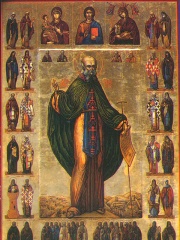
Sabbas the Sanctified
RELIGIOUS FIGURE
439 - 532
HPI: 72.39
Rank: 244
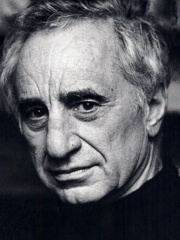
Elia Kazan
FILM DIRECTOR
1909 - 2003
HPI: 72.33
Rank: 245
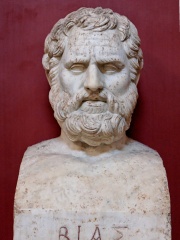
Bias of Priene
PHILOSOPHER
600 BC - 530 BC
HPI: 72.32
Rank: 246
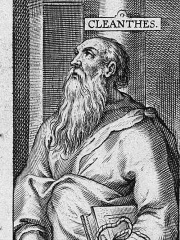
Cleanthes
PHILOSOPHER
330 BC - 232 BC
HPI: 72.30
Rank: 247
Laban
RELIGIOUS FIGURE
1900 BC - Present
HPI: 72.30
Rank: 248
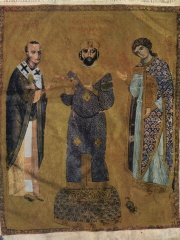
Nikephoros III Botaneiates
POLITICIAN
1002 - 1081
HPI: 72.27
Rank: 249
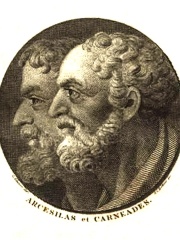
Arcesilaus
PHILOSOPHER
315 BC - 240 BC
HPI: 72.20
Rank: 250
Uzun Hasan
POLITICIAN
1423 - 1478
HPI: 72.19
Rank: 251
Herophilos
PHYSICIAN
335 BC - 280 BC
HPI: 72.17
Rank: 252
Ahmet Necdet Sezer
POLITICIAN
1941 - Present
HPI: 72.15
Rank: 253
Yunus Emre
WRITER
1240 - 1321
HPI: 72.13
Rank: 254
Among Figura religiosas In Turchia
Among figura religiosas born in Turchia, Laban ranks 40. Before him are Basilios Bessarion (1403), Simeon Stylites (389), Pope John VI (655), Dorothea of Caesarea (279), Parascheva of the Balkans (1000), and Sabbas the Sanctified (439). After him are Pancras of Rome (289), Thecla (100), Theophanes the Confessor (758), Philemon (100), Flavian of Constantinople (380), and Lydia of Thyatira (100).
Basilios Bessarion
1403 - 1472
HPI: 74.05
Rank: 34
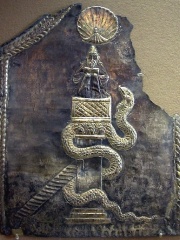
Simeon Stylites
389 - 459
HPI: 73.51
Rank: 35
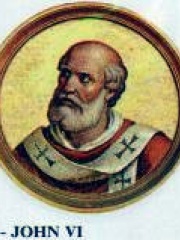
Pope John VI
655 - 705
HPI: 73.49
Rank: 36
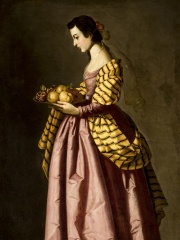
Dorothea of Caesarea
279 - 311
HPI: 73.36
Rank: 37
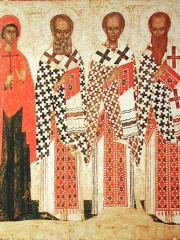
Parascheva of the Balkans
1000 - 1100
HPI: 72.56
Rank: 38
Sabbas the Sanctified
439 - 532
HPI: 72.39
Rank: 39
Laban
1900 BC - Present
HPI: 72.30
Rank: 40
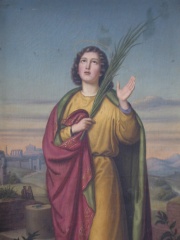
Pancras of Rome
289 - 304
HPI: 72.06
Rank: 41
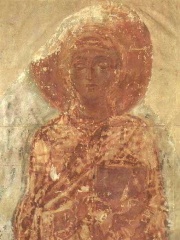
Thecla
100 - 100
HPI: 71.86
Rank: 42
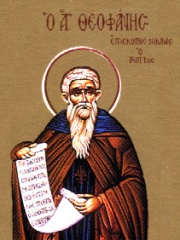
Theophanes the Confessor
758 - 818
HPI: 71.81
Rank: 43
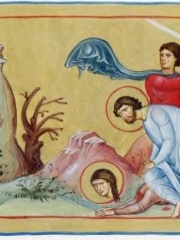
Philemon
100 - 68
HPI: 71.46
Rank: 44
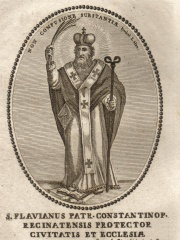
Flavian of Constantinople
380 - 449
HPI: 71.12
Rank: 45
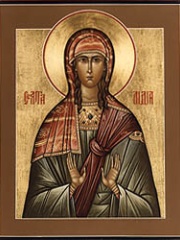
Lydia of Thyatira
100 - 100
HPI: 71.10
Rank: 46