Politico
Herod Agrippa II
28 - 100
IT.WIKIPEDIA PAGE VIEWS (PV)
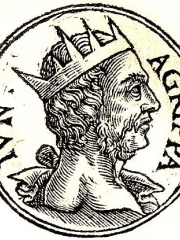
 Herod Agrippa II
La sua biografia è disponibile in 38 lingue su Wikipedia. Herod Agrippa II è il 842° politico più popolare (in aumento dal 2332° nel 2024), la 373ª biografia più popolare dell'Italia (in aumento dal 814ª nel 2019) e il 54° politico più popolare dell'Italia.
Memorability Metrics
Page views of Herod Agrippa II by language
Among Politicos
Among politicos, Herod Agrippa II ranks 842 out of 19,576. Before him are Frederick V of the Palatinate, Charles IX of Sweden, Ferdinand I of Romania, Fredrik Bajer, Clementine Churchill, and Moctezuma II. After him are Sennacherib, Roh Moo-hyun, Hans Frank, Mohammed Zahir Shah, Augustus III of Poland, and Kurt Waldheim.
Most Popular Politicos in Wikipedia
Go to all Rankings
Frederick V of the Palatinate
1596 - 1632
HPI: 76.69
Rank: 836
Charles IX of Sweden
1550 - 1611
HPI: 76.69
Rank: 837
Ferdinand I of Romania
1865 - 1927
HPI: 76.68
Rank: 838
Fredrik Bajer
1837 - 1922
HPI: 76.68
Rank: 839
Clementine Churchill
1885 - 1977
HPI: 76.67
Rank: 840
Moctezuma II
1466 - 1520
HPI: 76.67
Rank: 841
Herod Agrippa II
28 - 100
HPI: 76.66
Rank: 842
Sennacherib
740 BC - 681 BC
HPI: 76.66
Rank: 843

Roh Moo-hyun
1946 - 2009
HPI: 76.65
Rank: 844
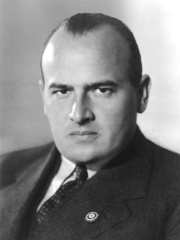
Hans Frank
1900 - 1946
HPI: 76.65
Rank: 845
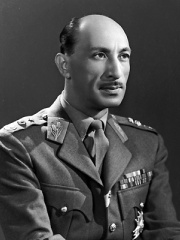
Mohammed Zahir Shah
1914 - 2007
HPI: 76.65
Rank: 846
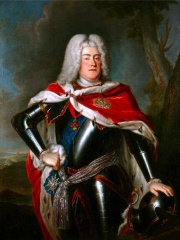
Augustus III of Poland
1696 - 1763
HPI: 76.64
Rank: 847
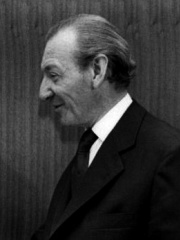
Kurt Waldheim
1918 - 2007
HPI: 76.64
Rank: 848

Contemporaries
Among people born in 28, Herod Agrippa II ranks 1. After him are Berenice, and Emperor Ming of Han. Among people deceased in 100, Herod Agrippa II ranks 14. Before him are Bartholomew the Apostle, Josephus, Salome, Anna the Prophetess, John the Evangelist, and Longinus. After him are Simon of Cyrene, Caiaphas, Saint Sarah, Salome, Herodias, and Barabbas.
Others Born in 28
Go to all RankingsHerod Agrippa II
POLITICIAN
28 - 100
HPI: 76.66
Rank: 1

Berenice
POLITICIAN
28 - 80
HPI: 73.48
Rank: 2

Emperor Ming of Han
POLITICIAN
28 - 75
HPI: 68.77
Rank: 3
Others Deceased in 100
Go to all Rankings
Bartholomew the Apostle
RELIGIOUS FIGURE
100 BC - 100
HPI: 82.57
Rank: 8
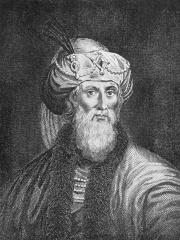
Josephus
HISTORIAN
37 - 100
HPI: 80.94
Rank: 9

Salome
RELIGIOUS FIGURE
14 - 100
HPI: 79.59
Rank: 10
Anna the Prophetess
RELIGIOUS FIGURE
90 BC - 100
HPI: 78.40
Rank: 11

John the Evangelist
WRITER
10 - 100
HPI: 77.45
Rank: 12
Longinus
RELIGIOUS FIGURE
100 - 100
HPI: 77.39
Rank: 13
Herod Agrippa II
POLITICIAN
28 - 100
HPI: 76.66
Rank: 14

Simon of Cyrene
POLITICIAN
100 BC - 100
HPI: 76.33
Rank: 15

Caiaphas
RELIGIOUS FIGURE
18 - 100
HPI: 76.23
Rank: 16
Saint Sarah
RELIGIOUS FIGURE
100 - 100
HPI: 74.94
Rank: 17
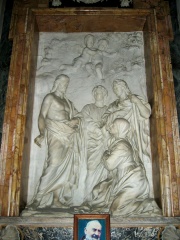
Salome
RELIGIOUS FIGURE
50 - 100
HPI: 74.90
Rank: 18
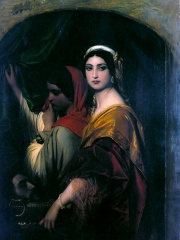
Herodias
NOBLEMAN
100 BC - 100
HPI: 74.71
Rank: 19
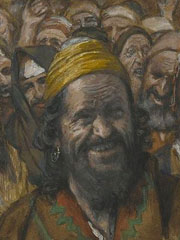
Barabbas
RELIGIOUS FIGURE
1 - 100
HPI: 74.66
Rank: 20
In Italia
Among people born in Italia, Herod Agrippa II ranks 373 out of NaN. Before him are Grazia Deledda (1871), Riccardo Muti (1941), Gianni Versace (1946), Dario Fo (1926), Giambattista Vico (1668), and Tommaso Campanella (1568). After him are Niccolò Fontana Tartaglia (1499), Pope John XI (910), Primo Levi (1919), Atia (-85), Pope Clement III (1130), and Pope Marinus I (830).
Others born in Italia
Go to all Rankings
Grazia Deledda
WRITER
1871 - 1936
HPI: 76.77
Rank: 367

Riccardo Muti
CONDUCTOR
1941 - Present
HPI: 76.76
Rank: 368

Gianni Versace
DESIGNER
1946 - 1997
HPI: 76.76
Rank: 369
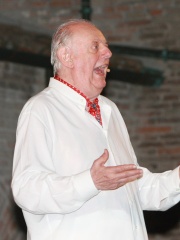
Dario Fo
WRITER
1926 - 2016
HPI: 76.74
Rank: 370
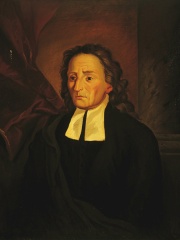
Giambattista Vico
PHILOSOPHER
1668 - 1744
HPI: 76.67
Rank: 371
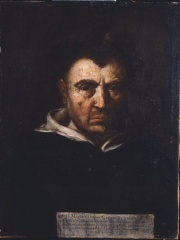
Tommaso Campanella
PHILOSOPHER
1568 - 1639
HPI: 76.67
Rank: 372
Herod Agrippa II
POLITICIAN
28 - 100
HPI: 76.66
Rank: 373
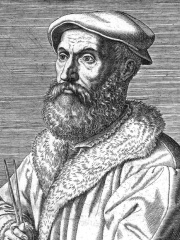
Niccolò Fontana Tartaglia
MATHEMATICIAN
1499 - 1557
HPI: 76.65
Rank: 374
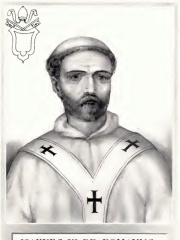
Pope John XI
RELIGIOUS FIGURE
910 - 936
HPI: 76.63
Rank: 375
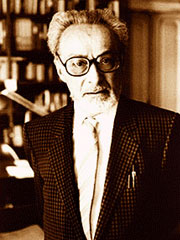
Primo Levi
WRITER
1919 - 1987
HPI: 76.62
Rank: 376
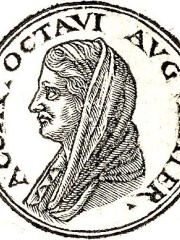
Atia
POLITICIAN
85 BC - 43 BC
HPI: 76.61
Rank: 377
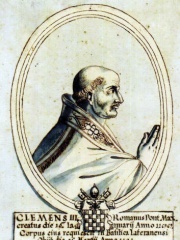
Pope Clement III
RELIGIOUS FIGURE
1130 - 1191
HPI: 76.61
Rank: 378
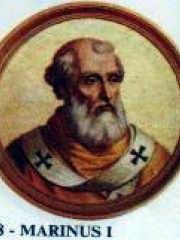
Pope Marinus I
RELIGIOUS FIGURE
830 - 884
HPI: 76.60
Rank: 379
Among Politicos In Italia
Among politicos born in Italia, Herod Agrippa II ranks 54. Before him are Lucius Quinctius Cincinnatus (-519), Umberto I of Italy (1844), Valentinian III (419), Umberto II of Italy (1904), Gordian III (225), and Aldo Moro (1916). After him are Atia (-85), Catiline (-109), Maxentius (278), Charles IV of Spain (1748), Gallienus (218), and Gaius Octavius (-100).

Lucius Quinctius Cincinnatus
519 BC - 430 BC
HPI: 77.45
Rank: 48

Umberto I of Italy
1844 - 1900
HPI: 77.44
Rank: 49
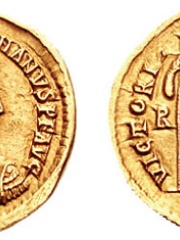
Valentinian III
419 - 455
HPI: 77.39
Rank: 50

Umberto II of Italy
1904 - 1983
HPI: 77.25
Rank: 51
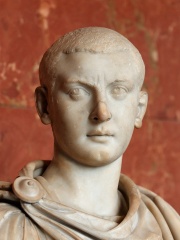
Gordian III
225 - 244
HPI: 77.14
Rank: 52
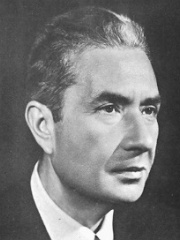
Aldo Moro
1916 - 1978
HPI: 76.98
Rank: 53
Herod Agrippa II
28 - 100
HPI: 76.66
Rank: 54
Atia
85 BC - 43 BC
HPI: 76.61
Rank: 55

Catiline
109 BC - 62 BC
HPI: 76.46
Rank: 56
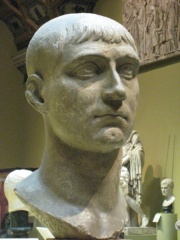
Maxentius
278 - 312
HPI: 76.43
Rank: 57
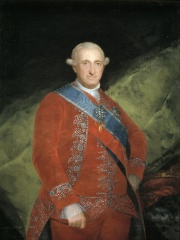
Charles IV of Spain
1748 - 1819
HPI: 76.39
Rank: 58
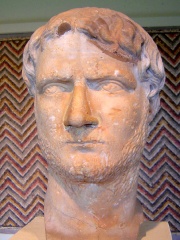
Gallienus
218 - 268
HPI: 76.39
Rank: 59
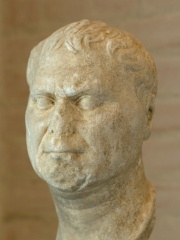
Gaius Octavius
100 BC - 58 BC
HPI: 76.35
Rank: 60