Politico
Herennius Etruscus
220 - 251
IT.WIKIPEDIA PAGE VIEWS (PV)
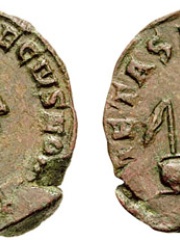
 Herennius Etruscus
La sua biografia è disponibile in 48 lingue su Wikipedia. Herennius Etruscus è il 1465° politico più popolare (in aumento dal 2078° nel 2024), la 26ª biografia più popolare della Serbia (in aumento dal 39ª nel 2019) e il 21° politico più popolare della Serbia.
Memorability Metrics
Page views of Herennius Etruscus by language
Among Politicos
Among politicos, Herennius Etruscus ranks 1,465 out of 19,576. Before him are Rudolf IV, Duke of Austria, Václav Klaus, Lambert of Italy, Ariq Böke, Yeonsangun of Joseon, and Abdrabbuh Mansur Hadi. After him are Publius Cornelius Scipio, Nabonidus, Olaf I of Denmark, Andrei Zhdanov, Prince Paul of Yugoslavia, and Manuel II of Portugal.
Most Popular Politicos in Wikipedia
Go to all Rankings
Rudolf IV, Duke of Austria
1339 - 1365
HPI: 73.98
Rank: 1,459
Václav Klaus
1941 - Present
HPI: 73.98
Rank: 1,460
Lambert of Italy
880 - 898
HPI: 73.98
Rank: 1,461
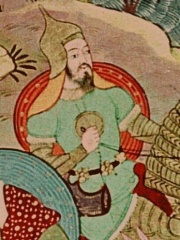
Ariq Böke
1219 - 1266
HPI: 73.98
Rank: 1,462
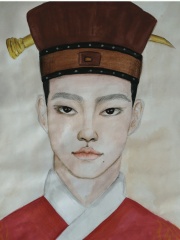
Yeonsangun of Joseon
1476 - 1506
HPI: 73.97
Rank: 1,463
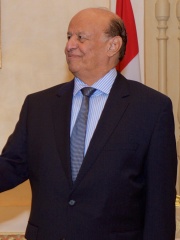
Abdrabbuh Mansur Hadi
1945 - Present
HPI: 73.96
Rank: 1,464
Herennius Etruscus
220 - 251
HPI: 73.96
Rank: 1,465
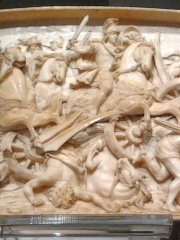
Publius Cornelius Scipio
260 BC - 211 BC
HPI: 73.95
Rank: 1,466
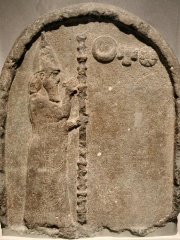
Nabonidus
555 BC - 538 BC
HPI: 73.95
Rank: 1,467
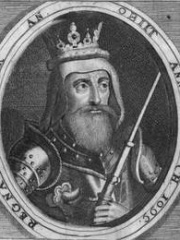
Olaf I of Denmark
1050 - 1095
HPI: 73.94
Rank: 1,468
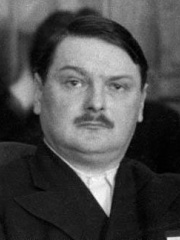
Andrei Zhdanov
1896 - 1948
HPI: 73.94
Rank: 1,469
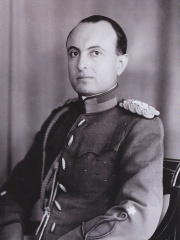
Prince Paul of Yugoslavia
1893 - 1976
HPI: 73.93
Rank: 1,470
Manuel II of Portugal
1889 - 1932
HPI: 73.93
Rank: 1,471

Contemporaries
Among people born in 220, Herennius Etruscus ranks 2. Before him is Saint Christopher. After him are Quintillus, Novatian, Odaenathus, and Aureolus. Among people deceased in 251, Herennius Etruscus ranks 4. Before him are Decius, Hostilian, and Sima Yi. After him are Herennia Etruscilla, Alexander of Jerusalem, Gaius Julius Priscus, Zosimos of Panopolis, and Babylas of Antioch.
Others Born in 220
Go to all Rankings
Saint Christopher
RELIGIOUS FIGURE
220 - 300
HPI: 78.38
Rank: 1
Herennius Etruscus
POLITICIAN
220 - 251
HPI: 73.96
Rank: 2
Quintillus
POLITICIAN
220 - 270
HPI: 73.54
Rank: 3

Novatian
WRITER
220 - 258
HPI: 72.46
Rank: 4
Odaenathus
POLITICIAN
220 - 267
HPI: 70.06
Rank: 5
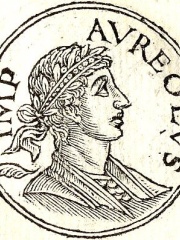
Aureolus
POLITICIAN
220 - 268
HPI: 63.86
Rank: 6
Others Deceased in 251
Go to all Rankings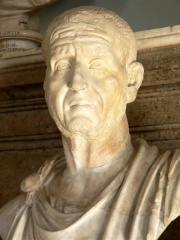
Decius
POLITICIAN
201 - 251
HPI: 78.93
Rank: 1
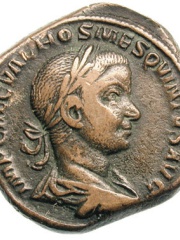
Hostilian
POLITICIAN
230 - 251
HPI: 76.90
Rank: 2
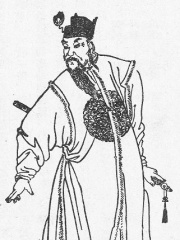
Sima Yi
POLITICIAN
179 - 251
HPI: 75.25
Rank: 3
Herennius Etruscus
POLITICIAN
220 - 251
HPI: 73.96
Rank: 4
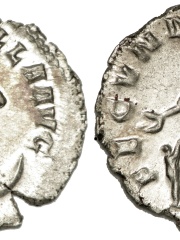
Herennia Etruscilla
POLITICIAN
210 - 251
HPI: 64.42
Rank: 5
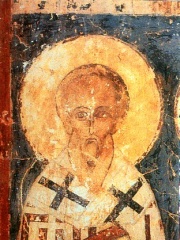
Alexander of Jerusalem
RELIGIOUS FIGURE
200 - 251
HPI: 63.22
Rank: 6

Gaius Julius Priscus
POLITICIAN
250 - 251
HPI: 62.37
Rank: 7

Zosimos of Panopolis
WRITER
250 - 251
HPI: 62.21
Rank: 8
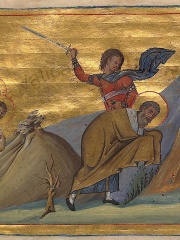
Babylas of Antioch
RELIGIOUS FIGURE
238 - 251
HPI: 61.03
Rank: 9
In Serbia
Among people born in Serbia, Herennius Etruscus ranks 26 out of NaN. Before him are Peter I of Serbia (1844), Gratian (359), Peter II of Yugoslavia (1923), Claudius Gothicus (210), Jovian (331), and Stefan Lazarević (1374). After him are Stjepan Mesić (1934), Krum (710), Karađorđe (1768), Quintillus (220), Vuk Karadžić (1787), and Alexander I of Serbia (1876).
Others born in Serbia
Go to all Rankings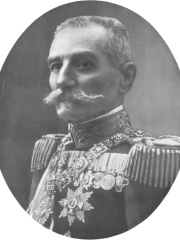
Peter I of Serbia
POLITICIAN
1844 - 1921
HPI: 75.50
Rank: 20
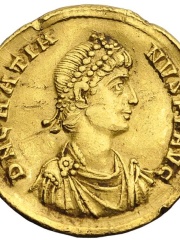
Gratian
POLITICIAN
359 - 383
HPI: 75.03
Rank: 21
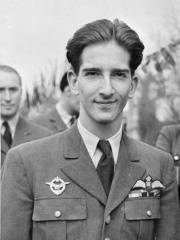
Peter II of Yugoslavia
POLITICIAN
1923 - 1970
HPI: 74.79
Rank: 22
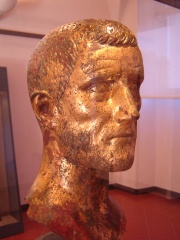
Claudius Gothicus
POLITICIAN
210 - 270
HPI: 74.33
Rank: 23
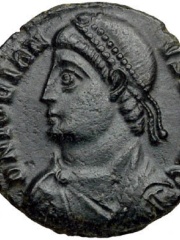
Jovian
POLITICIAN
331 - 364
HPI: 74.32
Rank: 24
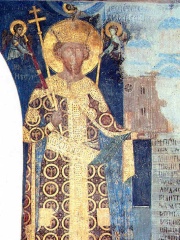
Stefan Lazarević
POLITICIAN
1374 - 1427
HPI: 74.00
Rank: 25
Herennius Etruscus
POLITICIAN
220 - 251
HPI: 73.96
Rank: 26

Stjepan Mesić
POLITICIAN
1934 - Present
HPI: 73.78
Rank: 27
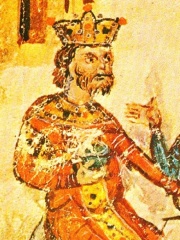
Krum
POLITICIAN
710 - 814
HPI: 73.78
Rank: 28
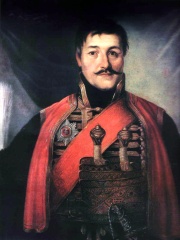
Karađorđe
POLITICIAN
1768 - 1817
HPI: 73.72
Rank: 29
Quintillus
POLITICIAN
220 - 270
HPI: 73.54
Rank: 30
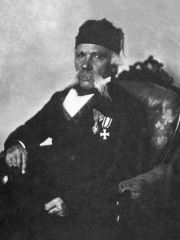
Vuk Karadžić
WRITER
1787 - 1864
HPI: 73.39
Rank: 31
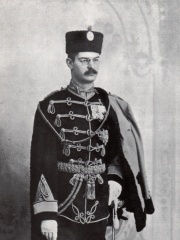
Alexander I of Serbia
POLITICIAN
1876 - 1903
HPI: 73.29
Rank: 32
Among Politicos In Serbia
Among politicos born in Serbia, Herennius Etruscus ranks 21. Before him are Peter I of Serbia (1844), Gratian (359), Peter II of Yugoslavia (1923), Claudius Gothicus (210), Jovian (331), and Stefan Lazarević (1374). After him are Stjepan Mesić (1934), Krum (710), Karađorđe (1768), Quintillus (220), Alexander I of Serbia (1876), and Mátyás Rákosi (1892).
Peter I of Serbia
1844 - 1921
HPI: 75.50
Rank: 15
Gratian
359 - 383
HPI: 75.03
Rank: 16
Peter II of Yugoslavia
1923 - 1970
HPI: 74.79
Rank: 17
Claudius Gothicus
210 - 270
HPI: 74.33
Rank: 18
Jovian
331 - 364
HPI: 74.32
Rank: 19
Stefan Lazarević
1374 - 1427
HPI: 74.00
Rank: 20
Herennius Etruscus
220 - 251
HPI: 73.96
Rank: 21
Stjepan Mesić
1934 - Present
HPI: 73.78
Rank: 22
Krum
710 - 814
HPI: 73.78
Rank: 23
Karađorđe
1768 - 1817
HPI: 73.72
Rank: 24
Quintillus
220 - 270
HPI: 73.54
Rank: 25
Alexander I of Serbia
1876 - 1903
HPI: 73.29
Rank: 26
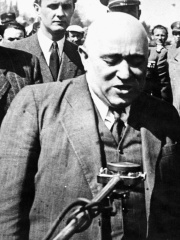
Mátyás Rákosi
1892 - 1971
HPI: 73.27
Rank: 27