Storico
Eunapius
349 - 420
IT.WIKIPEDIA PAGE VIEWS (PV)

 Eunapius
Eunapio (Sardi, 347 – dopo il 414) è stato un sofista, filosofo e storico greco antico. Leggi di più su Wikipedia
La sua biografia è disponibile in 32 lingue su Wikipedia (in aumento rispetto a 29 nel 2024). Eunapius è il 94° storico più popolare (in aumento dal 98° nel 2024), la 476ª biografia più popolare della Turchia (in calo dal 473ª nel 2019) e il 12° storico più popolare della Turchia.
Memorability Metrics
Page views of Eunapius by language
Among Storicos
Among storicos, Eunapius ranks 94 out of 561. Before him are Abu al-Faraj al-Isfahani, Georges Duby, Al-Maqrizi, Hermann Alexander Diels, George Kedrenos, and Sozomen. After him are Arthur Moeller van den Bruck, Flavio Biondo, Tyrannius Rufinus, Sextus Julius Africanus, Andrea Alciato, and Emmanuel Todd.
Most Popular Storicos in Wikipedia
Go to all Rankings

Abu al-Faraj al-Isfahani
897 - 967
HPI: 67.16
Rank: 88
Georges Duby
1919 - 1996
HPI: 67.05
Rank: 89

Al-Maqrizi
1364 - 1442
HPI: 66.91
Rank: 90
Hermann Alexander Diels
1848 - 1922
HPI: 66.90
Rank: 91

George Kedrenos
1100 - 1100
HPI: 66.85
Rank: 92

Sozomen
400 - 450
HPI: 66.76
Rank: 93
Eunapius
349 - 420
HPI: 66.64
Rank: 94
Arthur Moeller van den Bruck
1876 - 1925
HPI: 66.36
Rank: 95

Flavio Biondo
1388 - 1463
HPI: 66.35
Rank: 96
Tyrannius Rufinus
345 - 411
HPI: 66.16
Rank: 97

Sextus Julius Africanus
160 - 240
HPI: 66.14
Rank: 98
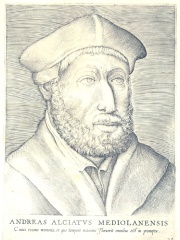
Andrea Alciato
1492 - 1550
HPI: 66.10
Rank: 99
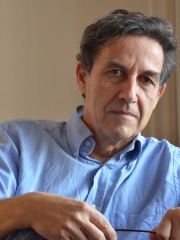
Emmanuel Todd
1951 - Present
HPI: 66.01
Rank: 100

Contemporaries
Among people born in 349, Eunapius ranks 2. Before him is John Chrysostom. Among people deceased in 420, Eunapius ranks 7. Before him are Kālidāsa, Jerome, Orosius, Pelagius, Porphyry of Gaza, and Sulpicius Severus. After him are Jeonji of Baekje, Shapur IV, and Castinus.
Others Born in 349
Go to all Rankings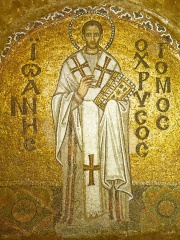
John Chrysostom
RELIGIOUS FIGURE
349 - 407
HPI: 81.25
Rank: 1
Eunapius
HISTORIAN
349 - 420
HPI: 66.64
Rank: 2
Others Deceased in 420
Go to all Rankings
Kālidāsa
WRITER
400 - 420
HPI: 82.51
Rank: 1

Jerome
RELIGIOUS FIGURE
345 - 420
HPI: 82.20
Rank: 2
Orosius
PHILOSOPHER
375 - 420
HPI: 73.52
Rank: 3
Pelagius
PHILOSOPHER
360 - 420
HPI: 72.38
Rank: 4
Porphyry of Gaza
RELIGIOUS FIGURE
347 - 420
HPI: 70.71
Rank: 5
Sulpicius Severus
WRITER
360 - 420
HPI: 67.74
Rank: 6
Eunapius
HISTORIAN
349 - 420
HPI: 66.64
Rank: 7

Jeonji of Baekje
POLITICIAN
390 - 420
HPI: 62.01
Rank: 8
Shapur IV
POLITICIAN
HPI: 61.98
Rank: 9

Castinus
POLITICIAN
400 - 420
HPI: 54.30
Rank: 10
In Turchia
Among people born in Turchia, Eunapius ranks 476 out of NaN. Before him are Astyanax (null), Menaechmus (-375), Emine Erdoğan (1955), Aretaeus of Cappadocia (100), Euthymius the Great (377), and Latife Uşşaki (1898). After him are Bohemond III of Antioch (1144), John Tzetzes (1110), Sophia (530), Tervel of Bulgaria (675), Eumenes I (-250), and Ayşe Sultan (1605).
Others born in Turchia
Go to all Rankings
Astyanax
POLITICIAN
HPI: 66.70
Rank: 470

Menaechmus
MATHEMATICIAN
375 BC - 300 BC
HPI: 66.70
Rank: 471

Emine Erdoğan
POLITICIAN
1955 - Present
HPI: 66.70
Rank: 472
Aretaeus of Cappadocia
PHYSICIAN
100 - 200
HPI: 66.68
Rank: 473
Euthymius the Great
RELIGIOUS FIGURE
377 - 473
HPI: 66.66
Rank: 474
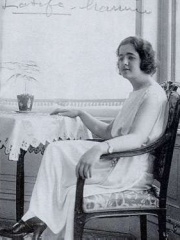
Latife Uşşaki
POLITICIAN
1898 - 1975
HPI: 66.64
Rank: 475
Eunapius
HISTORIAN
349 - 420
HPI: 66.64
Rank: 476

Bohemond III of Antioch
POLITICIAN
1144 - 1201
HPI: 66.64
Rank: 477
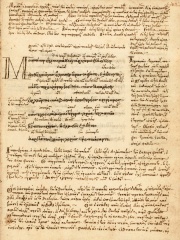
John Tzetzes
WRITER
1110 - 1180
HPI: 66.58
Rank: 478
Sophia
POLITICIAN
530 - 600
HPI: 66.57
Rank: 479
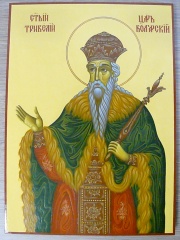
Tervel of Bulgaria
POLITICIAN
675 - 721
HPI: 66.56
Rank: 480
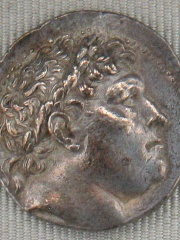
Eumenes I
POLITICIAN
250 BC - 241 BC
HPI: 66.56
Rank: 481

Ayşe Sultan
POLITICIAN
1605 - 1660
HPI: 66.56
Rank: 482
Among Storicos In Turchia
Among storicos born in Turchia, Eunapius ranks 12. Before him are Socrates of Constantinople (380), Niketas Choniates (1155), Libanius (314), Ephorus (-400), Eutropius (320), and George Kedrenos (1100). After him are Agatharchides (-208), Leo the Deacon (950), John Kinnamos (1143), Philostorgius (368), Michael Attaleiates (1021), and Matthew of Edessa (1100).

Socrates of Constantinople
380 - 440
HPI: 72.04
Rank: 6
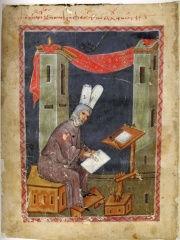
Niketas Choniates
1155 - 1217
HPI: 71.45
Rank: 7
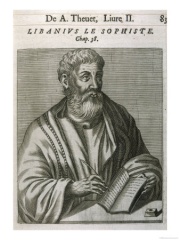
Libanius
314 - 393
HPI: 69.87
Rank: 8

Ephorus
400 BC - 330 BC
HPI: 69.19
Rank: 9
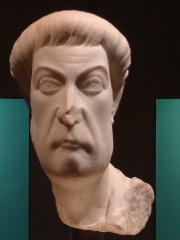
Eutropius
320 - 400
HPI: 68.75
Rank: 10
George Kedrenos
1100 - 1100
HPI: 66.85
Rank: 11
Eunapius
349 - 420
HPI: 66.64
Rank: 12

Agatharchides
208 BC - Present
HPI: 65.97
Rank: 13

Leo the Deacon
950 - 992
HPI: 65.02
Rank: 14

John Kinnamos
1143 - 1185
HPI: 64.30
Rank: 15

Philostorgius
368 - 439
HPI: 64.21
Rank: 16
Michael Attaleiates
1021 - 1080
HPI: 63.62
Rank: 17

Matthew of Edessa
1100 - 1144
HPI: 63.27
Rank: 18