Figura religiosa
Djet
3000 BC - 2980 BC
IT.WIKIPEDIA PAGE VIEWS (PV)
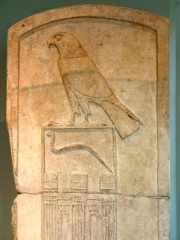
 Djet
Djet
Djet, o anche Uagi, Uadji, Uadyi, Zet, Edjō, o «Serpente», (in lingua egizia ḏt; ossia "serpente"; in greco antico: Ὑενέφης?, Hyenèphēs in Manetone; ... – 3050 a.C.) è stato un faraone egizio appartenente alla I dinastia. Leggi di più su Wikipedia
His biography is available in 49 different languages on Wikipedia. Djet is the 629th most popular figura religiosa (down from 539th in 2024), the 117th most popular biography from Egypt (down from 100th in 2019) and the 22nd most popular Egyptian Figura Religiosa.
Djet is most famous for being the goddess of the Nile River. She was depicted as a woman wearing a cow's head.
Memorability Metrics
Page views of Djet by language
Among Figura religiosas
Among figura religiosas, Djet ranks 629 out of 3,187. Before him are Rabanus Maurus, Atiśa, Jacobus da Varagine, Thecla, Yusuf al-Qaradawi, and Ali al-Hadi. After him are Peter the Hermit, Theophanes the Confessor, Pope Theodore I, Abdullah ibn Muhammad, Clotilde, and Father Damien.
Most Popular Figura Religiosas in Wikipedia
Go to all Rankings
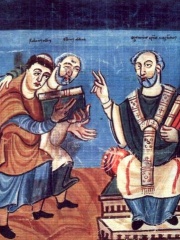
Rabanus Maurus
780 - 856
HPI: 71.88
Rank: 623
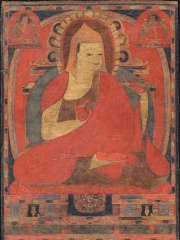
Atiśa
982 - 1054
HPI: 71.86
Rank: 624
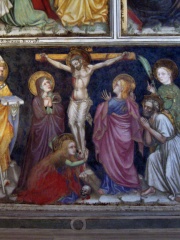
Jacobus da Varagine
1228 - 1298
HPI: 71.86
Rank: 625
Thecla
100 - 100
HPI: 71.86
Rank: 626

Yusuf al-Qaradawi
1926 - 2022
HPI: 71.85
Rank: 627

Ali al-Hadi
829 - 868
HPI: 71.84
Rank: 628
Djet
3000 BC - 2980 BC
HPI: 71.82
Rank: 629
Peter the Hermit
1050 - 1115
HPI: 71.82
Rank: 630
Theophanes the Confessor
758 - 818
HPI: 71.81
Rank: 631
Pope Theodore I
600 - 649
HPI: 71.78
Rank: 632

Abdullah ibn Muhammad
600 - 615
HPI: 71.74
Rank: 633
Clotilde
475 - 545
HPI: 71.72
Rank: 634
Father Damien
1840 - 1889
HPI: 71.72
Rank: 635

Contemporaries
Among people born in 3000 BC, Djet ranks 2. Before him is Den. After him are Semerkhet, Merneith, and Khenthap. Among people deceased in 2980 BC, Djet ranks 1.
Others Born in 3000 BC
Go to all Rankings
Den
ARCHAEOLOGIST
3000 BC - 2995 BC
HPI: 71.85
Rank: 1
Djet
RELIGIOUS FIGURE
3000 BC - 2980 BC
HPI: 71.82
Rank: 2
Semerkhet
ARCHAEOLOGIST
3000 BC - 2960 BC
HPI: 70.25
Rank: 3
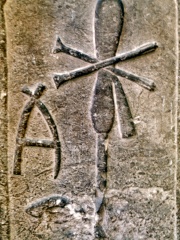
Merneith
POLITICIAN
3000 BC - 3000 BC
HPI: 69.96
Rank: 4

Khenthap
POLITICIAN
3000 BC - Present
HPI: 56.01
Rank: 5
Others Deceased in 2980 BC
Go to all RankingsIn Egypt
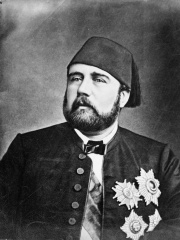
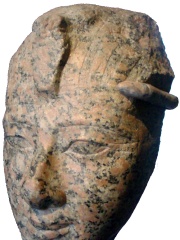
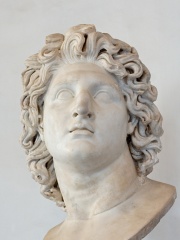
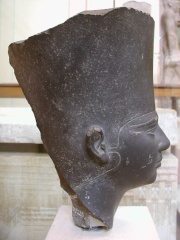
Among people born in Egypt, Djet ranks 117 out of 642. Before him are Senakhtenre Ahmose (-1600), Kamose (-1600), Teti (-2350), Isma'il Pasha (1830), Den (-3000), and Yusuf al-Qaradawi (1926). After him are Amenhotep II (-1401), Alexander Helios (-40), Userkaf (-2600), Apollos (100), Mohamed Hussein Tantawi (1935), and Macarius of Egypt (300).
Others born in Egypt
Go to all Rankings
Senakhtenre Ahmose
POLITICIAN
1600 BC - 1600 BC
HPI: 72.21
Rank: 111
Kamose
POLITICIAN
1600 BC - 1549 BC
HPI: 72.17
Rank: 112
Teti
POLITICIAN
2350 BC - 2350 BC
HPI: 71.96
Rank: 113
Isma'il Pasha
POLITICIAN
1830 - 1895
HPI: 71.90
Rank: 114
Den
ARCHAEOLOGIST
3000 BC - 2995 BC
HPI: 71.85
Rank: 115
Yusuf al-Qaradawi
RELIGIOUS FIGURE
1926 - 2022
HPI: 71.85
Rank: 116
Djet
RELIGIOUS FIGURE
3000 BC - 2980 BC
HPI: 71.82
Rank: 117
Amenhotep II
POLITICIAN
1401 BC - 1401 BC
HPI: 71.80
Rank: 118
Alexander Helios
POLITICIAN
40 BC - 25 BC
HPI: 71.79
Rank: 119
Userkaf
POLITICIAN
2600 BC - 2500 BC
HPI: 71.73
Rank: 120

Apollos
RELIGIOUS FIGURE
100 - 100
HPI: 71.64
Rank: 121
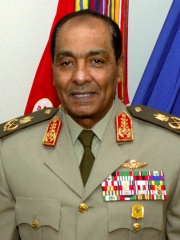
Mohamed Hussein Tantawi
POLITICIAN
1935 - 2021
HPI: 71.62
Rank: 122
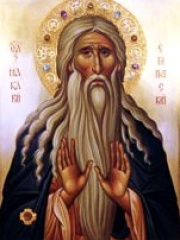
Macarius of Egypt
RELIGIOUS FIGURE
300 - 391
HPI: 71.38
Rank: 123
Among Figura religiosas In Egypt
Among figura religiosas born in Egypt, Djet ranks 22. Before him are Saint Menas (285), Paul of Thebes (227), Meritaten (-1400), Maria al-Qibtiyya (600), Saint Maurice (250), and Yusuf al-Qaradawi (1926). After him are Apollos (100), Macarius of Egypt (300), Pope Theophilus of Alexandria (310), Pope Peter I of Alexandria (300), Anatolius of Constantinople (301), and Al-Suyuti (1445).
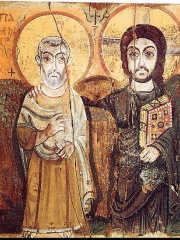
Saint Menas
285 - 309
HPI: 73.04
Rank: 16
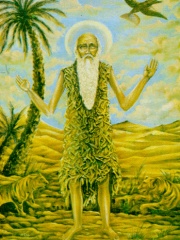
Paul of Thebes
227 - 342
HPI: 72.89
Rank: 17
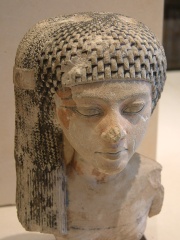
Meritaten
1400 BC - 1400 BC
HPI: 72.75
Rank: 18
Maria al-Qibtiyya
600 - 637
HPI: 72.44
Rank: 19
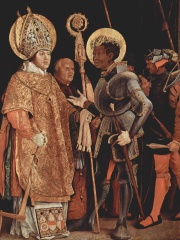
Saint Maurice
250 - 287
HPI: 72.41
Rank: 20
Yusuf al-Qaradawi
1926 - 2022
HPI: 71.85
Rank: 21
Djet
3000 BC - 2980 BC
HPI: 71.82
Rank: 22
Apollos
100 - 100
HPI: 71.64
Rank: 23
Macarius of Egypt
300 - 391
HPI: 71.38
Rank: 24
Pope Theophilus of Alexandria
310 - 412
HPI: 71.21
Rank: 25
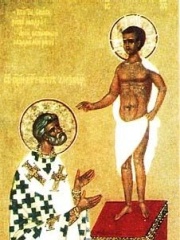
Pope Peter I of Alexandria
300 - 311
HPI: 70.60
Rank: 26
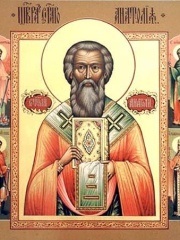
Anatolius of Constantinople
301 - 458
HPI: 70.46
Rank: 27

Al-Suyuti
1445 - 1505
HPI: 70.22
Rank: 28