Attivista sociale
Chen Sheng
250 BC - 208 BC
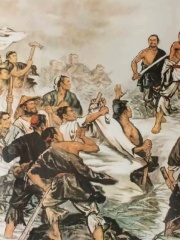
 Chen Sheng
La sua biografia è disponibile in 17 lingue su Wikipedia (in aumento rispetto a 16 nel 2024). Chen Sheng è il 214° attivista sociale più popolare (in calo dal 192° nel 2024), la 455ª biografia più popolare della Cina (in calo dal 437ª nel 2019) e il 4° attivista sociale più popolare della Cina.
Memorability Metrics
Page views of Chen Sheng by language
Among Attivista sociales
Among attivista sociales, Chen Sheng ranks 214 out of 840. Before him are Emily Davison, Guru Ram Das, Viktors Arājs, Jacques Roux, Nayirah testimony, and Moses Montefiore. After him are Emmeline Pethick-Lawrence, Huda Sha'arawi, Fred Phelps, Kittur Chennamma, Czesława Kwoka, and Christoph Probst.
Most Popular Attivista Sociales in Wikipedia
Go to all Rankings
Emily Davison
1872 - 1913
HPI: 64.55
Rank: 208
Guru Ram Das
1534 - 1581
HPI: 64.49
Rank: 209

Viktors Arājs
1910 - 1988
HPI: 64.48
Rank: 210
Jacques Roux
1752 - 1794
HPI: 64.43
Rank: 211

Nayirah testimony
HPI: 64.40
Rank: 212
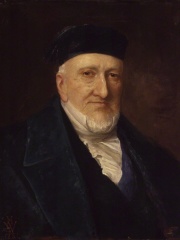
Moses Montefiore
1784 - 1885
HPI: 64.38
Rank: 213
Chen Sheng
250 BC - 208 BC
HPI: 64.37
Rank: 214
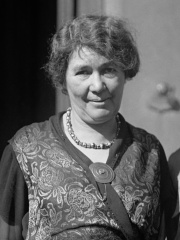
Emmeline Pethick-Lawrence
1867 - 1954
HPI: 64.35
Rank: 215
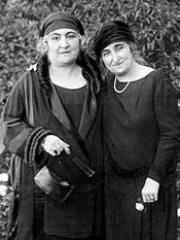
Huda Sha'arawi
1879 - 1947
HPI: 64.25
Rank: 216

Fred Phelps
1929 - 2014
HPI: 64.24
Rank: 217
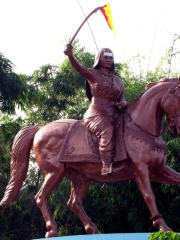
Kittur Chennamma
1778 - 1829
HPI: 64.13
Rank: 218
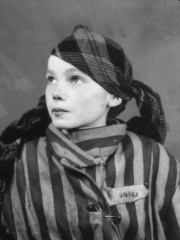
Czesława Kwoka
1943 - 1943
HPI: 64.07
Rank: 219
Christoph Probst
1919 - 1943
HPI: 64.07
Rank: 220

Contemporaries
Among people born in 250 BC, Chen Sheng ranks 9. Before him are Fusu, Syphax, Li Mu, Eumenes I, Touman, and Lian Po. After him are Nicander, Lykourgos, Ariobarzanes of Pontus, Aulus Atilius Calatinus, Sames I, and Gala. Among people deceased in 208 BC, Chen Sheng ranks 4. Before him are Chrysippus, Li Si, and Marcus Claudius Marcellus.
Others Born in 250 BC
Go to all Rankings
Fusu
POLITICIAN
250 BC - 210 BC
HPI: 69.01
Rank: 3
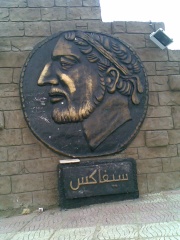
Syphax
POLITICIAN
250 BC - 202 BC
HPI: 68.63
Rank: 4
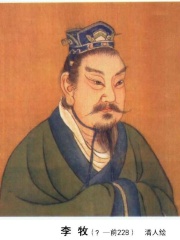
Li Mu
MILITARY PERSONNEL
250 BC - 229 BC
HPI: 67.84
Rank: 5
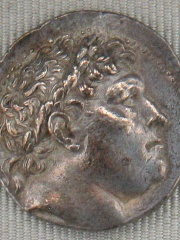
Eumenes I
POLITICIAN
250 BC - 241 BC
HPI: 66.56
Rank: 6
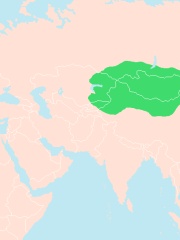
Touman
POLITICIAN
250 BC - Present
HPI: 66.51
Rank: 7
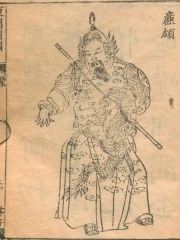
Lian Po
MILITARY PERSONNEL
250 BC - Present
HPI: 65.93
Rank: 8
Chen Sheng
SOCIAL ACTIVIST
250 BC - 208 BC
HPI: 64.37
Rank: 9
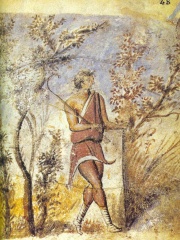
Nicander
WRITER
250 BC - 170 BC
HPI: 63.70
Rank: 10

Lykourgos
POLITICIAN
250 BC - 210 BC
HPI: 62.88
Rank: 11

Ariobarzanes of Pontus
POLITICIAN
250 BC - 250 BC
HPI: 62.41
Rank: 12

Aulus Atilius Calatinus
POLITICIAN
250 BC - 216 BC
HPI: 62.16
Rank: 13
Sames I
POLITICIAN
250 BC - 300 BC
HPI: 61.58
Rank: 14

Gala
POLITICIAN
250 BC - 207 BC
HPI: 61.48
Rank: 15
Others Deceased in 208 BC
Go to all Rankings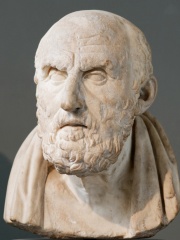
Chrysippus
PHILOSOPHER
281 BC - 208 BC
HPI: 76.28
Rank: 1
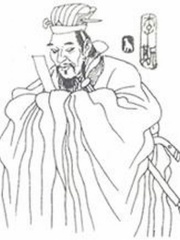
Li Si
POLITICIAN
280 BC - 208 BC
HPI: 74.90
Rank: 2
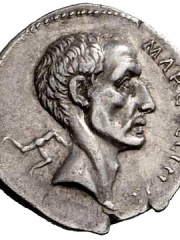
Marcus Claudius Marcellus
MILITARY PERSONNEL
268 BC - 208 BC
HPI: 70.50
Rank: 3
Chen Sheng
SOCIAL ACTIVIST
250 BC - 208 BC
HPI: 64.37
Rank: 4
In Cina
Among people born in Cina, Chen Sheng ranks 455 out of NaN. Before him are Emperor Jingzong of Liao (948), 7th Dalai Lama (1708), Emperor Shang of Tang (695), Sima Xiangru (-179), Ignatius Kung Pin-Mei (1901), and Yen Chia-kan (1905). After him are Bao Xishun (1951), 10th Dalai Lama (1816), Cai Yong (133), Wei Qing (-150), Shen Yue (441), and Liu Zongyuan (773).
Others born in Cina
Go to all Rankings
Emperor Jingzong of Liao
POLITICIAN
948 - 982
HPI: 64.44
Rank: 449

7th Dalai Lama
POLITICIAN
1708 - 1757
HPI: 64.43
Rank: 450

Emperor Shang of Tang
NOBLEMAN
695 - Present
HPI: 64.40
Rank: 451

Sima Xiangru
WRITER
179 BC - 117 BC
HPI: 64.39
Rank: 452
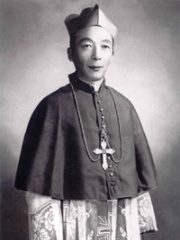
Ignatius Kung Pin-Mei
RELIGIOUS FIGURE
1901 - 2000
HPI: 64.38
Rank: 453
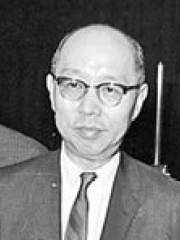
Yen Chia-kan
POLITICIAN
1905 - 1993
HPI: 64.37
Rank: 454
Chen Sheng
SOCIAL ACTIVIST
250 BC - 208 BC
HPI: 64.37
Rank: 455
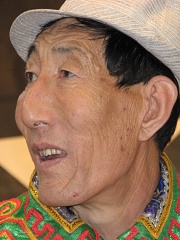
Bao Xishun
RELIGIOUS FIGURE
1951 - Present
HPI: 64.37
Rank: 456

10th Dalai Lama
POLITICIAN
1816 - 1837
HPI: 64.36
Rank: 457
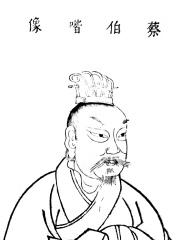
Cai Yong
POLITICIAN
133 - 192
HPI: 64.34
Rank: 458

Wei Qing
MILITARY PERSONNEL
150 BC - 106 BC
HPI: 64.32
Rank: 459

Shen Yue
WRITER
441 - 513
HPI: 64.28
Rank: 460
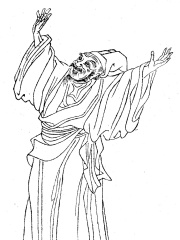
Liu Zongyuan
WRITER
773 - 819
HPI: 64.26
Rank: 461
Among Attivista sociales In Cina
Among attivista sociales born in Cina, Chen Sheng ranks 4. Before him are Liu Xiaobo (1955), Zhang Jue (200), and Meng Huo (101). After him are Li Hongzhi (1951), Zhang Guotao (1897), Wei Jingsheng (1950), Chen Qimei (1878), Harry Wu (1937), Hu Jia (1973), Chen Guangcheng (1971), and Wu'erkaixi (1968).
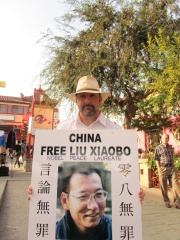
Liu Xiaobo
1955 - 2017
HPI: 70.93
Rank: 1
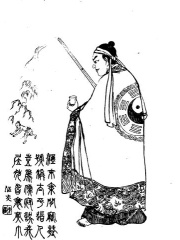
Zhang Jue
200 - 184
HPI: 69.07
Rank: 2
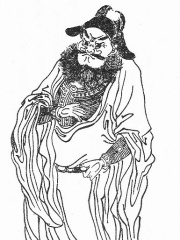
Meng Huo
101 - 300
HPI: 66.32
Rank: 3
Chen Sheng
250 BC - 208 BC
HPI: 64.37
Rank: 4
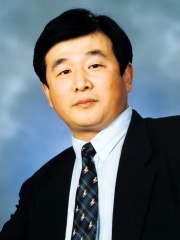
Li Hongzhi
1951 - Present
HPI: 61.78
Rank: 5
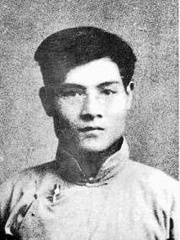
Zhang Guotao
1897 - 1979
HPI: 61.35
Rank: 6
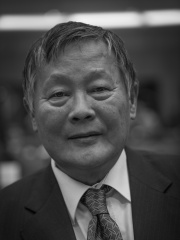
Wei Jingsheng
1950 - Present
HPI: 59.14
Rank: 7
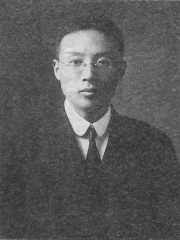
Chen Qimei
1878 - 1916
HPI: 57.87
Rank: 8
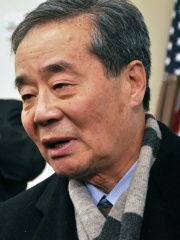
Harry Wu
1937 - 2016
HPI: 57.42
Rank: 9

Hu Jia
1973 - Present
HPI: 52.58
Rank: 10
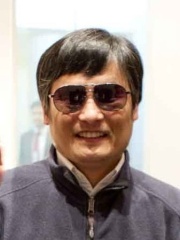
Chen Guangcheng
1971 - Present
HPI: 51.40
Rank: 11
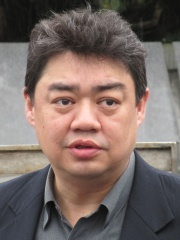
Wu'erkaixi
1968 - Present
HPI: 51.10
Rank: 12