Scultore
Bryaxis
400 BC - 360 BC
IT.WIKIPEDIA PAGE VIEWS (PV)

 Bryaxis
Briasside (fl. seconda metà del IV secolo a.C.) è stato uno scultore greco antico. Leggi di più su Wikipedia
His biography is available in 19 different languages on Wikipedia. Bryaxis is the 121st most popular scultore (up from 125th in 2024), the 821st most popular biography from Türkiye (down from 815th in 2019) and the most popular Turkish Scultore.
Memorability Metrics
Page views of Bryaxis by language
Among Scultores
Among scultores, Bryaxis ranks 121 out of 258. Before him are Kresilas, Apollonius of Tralles, Emmanuel Frémiet, Daniel Buren, Maurizio Cattelan, and Vulca. After him are Dani Karavan, Giacomo Manzù, Jules Dalou, Konstantin Somov, Antun Augustinčić, and Nikolaus Gerhaert.
Most Popular Scultores in Wikipedia
Go to all Rankings
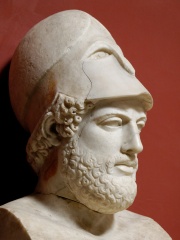
Kresilas
480 BC - 410 BC
HPI: 61.77
Rank: 115

Apollonius of Tralles
200 BC - 160 BC
HPI: 61.69
Rank: 116
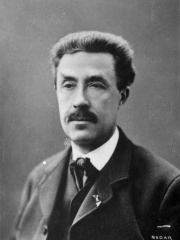
Emmanuel Frémiet
1824 - 1910
HPI: 61.58
Rank: 117
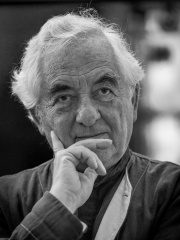
Daniel Buren
1938 - Present
HPI: 61.55
Rank: 118

Maurizio Cattelan
1960 - Present
HPI: 61.54
Rank: 119

Vulca
600 BC - 600
HPI: 61.52
Rank: 120
Bryaxis
400 BC - 360 BC
HPI: 61.30
Rank: 121
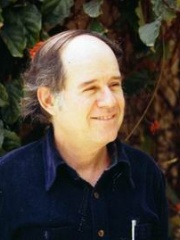
Dani Karavan
1930 - 2021
HPI: 61.27
Rank: 122

Giacomo Manzù
1908 - 1991
HPI: 61.26
Rank: 123
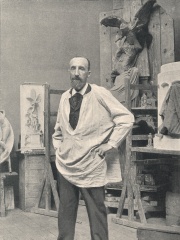
Jules Dalou
1838 - 1902
HPI: 61.21
Rank: 124
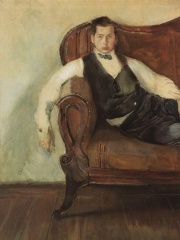
Konstantin Somov
1869 - 1939
HPI: 61.18
Rank: 125
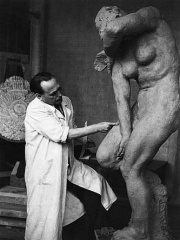
Antun Augustinčić
1900 - 1979
HPI: 61.09
Rank: 126

Nikolaus Gerhaert
1420 - 1473
HPI: 60.99
Rank: 127

Contemporaries
Among people born in 400 BC, Bryaxis ranks 64. Before him are Antipater Etesias, Hecataeus of Abdera, Palaephatus, Lais of Hyccara, Metrocles, and Antimachus. After him are Lucius Cornelius Scipio Barbatus, Khabash, Dromichaetes, Chremonides, Alexander of Pherae, and Neoptolemus. Among people deceased in 360 BC, Bryaxis ranks 15. Before him are Campaspe, Polykleitos the Younger, Silanion, Palaephatus, Timotheus of Miletus, and Lais of Hyccara. After him are Philitas of Cos, Quintus Hortensius, Antiphilus, Leontion, Laomedon of Mytilene, and Phaenias of Eresus.
Others Born in 400 BC
Go to all Rankings
Antipater Etesias
POLITICIAN
400 BC - 279 BC
HPI: 61.51
Rank: 58

Hecataeus of Abdera
PHILOSOPHER
400 BC - 300 BC
HPI: 61.49
Rank: 59

Palaephatus
WRITER
400 BC - 360 BC
HPI: 61.46
Rank: 60
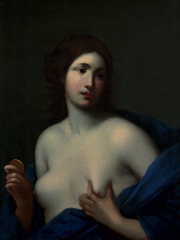
Lais of Hyccara
POLITICIAN
400 BC - 360 BC
HPI: 61.38
Rank: 61

Metrocles
PHILOSOPHER
400 BC - 300 BC
HPI: 61.36
Rank: 62
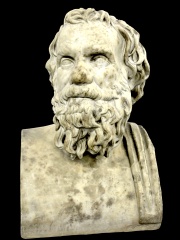
Antimachus
WRITER
400 BC - 348 BC
HPI: 61.32
Rank: 63
Bryaxis
SCULPTOR
400 BC - 360 BC
HPI: 61.30
Rank: 64
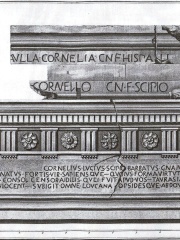
Lucius Cornelius Scipio Barbatus
POLITICIAN
400 BC - 300 BC
HPI: 61.21
Rank: 65

Khabash
POLITICIAN
400 BC - Present
HPI: 61.17
Rank: 66

Dromichaetes
POLITICIAN
400 BC - 300 BC
HPI: 61.05
Rank: 67

Chremonides
POLITICIAN
400 BC - Present
HPI: 60.85
Rank: 68

Alexander of Pherae
POLITICIAN
400 BC - 358 BC
HPI: 60.73
Rank: 69

Neoptolemus
MILITARY PERSONNEL
400 BC - 321 BC
HPI: 60.63
Rank: 70
Others Deceased in 360 BC
Go to all Rankings
Campaspe
SOCIAL ACTIVIST
400 BC - 360 BC
HPI: 63.75
Rank: 9

Polykleitos the Younger
SCULPTOR
400 BC - 360 BC
HPI: 62.33
Rank: 10
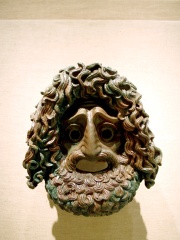
Silanion
SCULPTOR
400 BC - 360 BC
HPI: 61.79
Rank: 11
Palaephatus
WRITER
400 BC - 360 BC
HPI: 61.46
Rank: 12

Timotheus of Miletus
WRITER
450 BC - 360 BC
HPI: 61.45
Rank: 13
Lais of Hyccara
POLITICIAN
400 BC - 360 BC
HPI: 61.38
Rank: 14
Bryaxis
SCULPTOR
400 BC - 360 BC
HPI: 61.30
Rank: 15
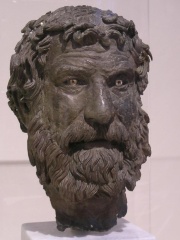
Philitas of Cos
WRITER
400 BC - 360 BC
HPI: 60.47
Rank: 16

Quintus Hortensius
POLITICIAN
400 BC - 360 BC
HPI: 60.22
Rank: 17

Antiphilus
PAINTER
400 BC - 360 BC
HPI: 60.10
Rank: 18
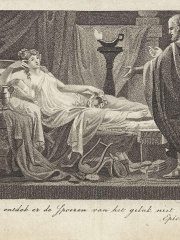
Leontion
PHILOSOPHER
400 BC - 360 BC
HPI: 60.07
Rank: 19
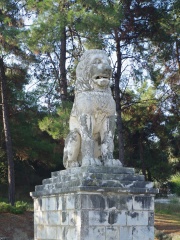
Laomedon of Mytilene
MILITARY PERSONNEL
400 BC - 360 BC
HPI: 59.81
Rank: 20

Phaenias of Eresus
PHILOSOPHER
400 BC - 360 BC
HPI: 59.39
Rank: 21
In Türkiye
Among people born in Türkiye, Bryaxis ranks 821 out of 1,347. Before him are Assaracus (null), Cezayirli Gazi Hasan Pasha (1713), Nureddin Pasha (1873), John of Ephesus (507), Antimachus (-400), and Constantine Ypsilantis (1760). After him are Beren Saat (1984), Polyeuctus of Constantinople (null), Tuba Büyüküstün (1982), Rauf Orbay (1881), Sertab Erener (1964), and Hecatomnus (-500).
Others born in Türkiye
Go to all Rankings
Assaracus
POLITICIAN
HPI: 61.39
Rank: 815
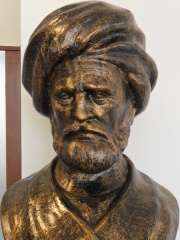
Cezayirli Gazi Hasan Pasha
POLITICIAN
1713 - 1790
HPI: 61.34
Rank: 816
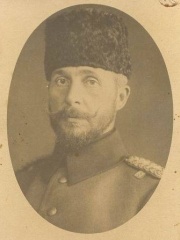
Nureddin Pasha
MILITARY PERSONNEL
1873 - 1932
HPI: 61.34
Rank: 817

John of Ephesus
WRITER
507 - 588
HPI: 61.32
Rank: 818
Antimachus
WRITER
400 BC - 348 BC
HPI: 61.32
Rank: 819
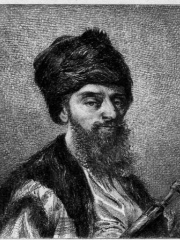
Constantine Ypsilantis
POLITICIAN
1760 - 1816
HPI: 61.32
Rank: 820
Bryaxis
SCULPTOR
400 BC - 360 BC
HPI: 61.30
Rank: 821

Beren Saat
ACTOR
1984 - Present
HPI: 61.28
Rank: 822
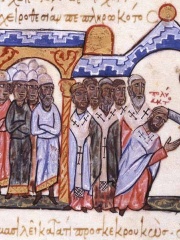
Polyeuctus of Constantinople
RELIGIOUS FIGURE
HPI: 61.27
Rank: 823

Tuba Büyüküstün
ACTOR
1982 - Present
HPI: 61.23
Rank: 824
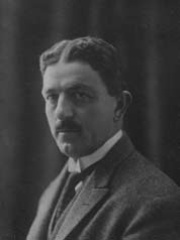
Rauf Orbay
POLITICIAN
1881 - 1964
HPI: 61.19
Rank: 825

Sertab Erener
SINGER
1964 - Present
HPI: 61.14
Rank: 826
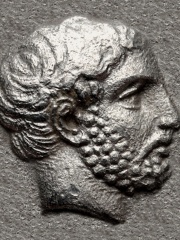
Hecatomnus
POLITICIAN
500 BC - 377 BC
HPI: 61.09
Rank: 827
Among Scultores In Türkiye
Among scultores born in Türkiye, Bryaxis ranks 1. After him are Sabiha Bengütaş (1904), and Mari Gerekmezyan (1913).
Bryaxis
400 BC - 360 BC
HPI: 61.30
Rank: 1
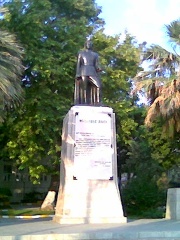
Sabiha Bengütaş
1904 - 1992
HPI: 52.85
Rank: 2
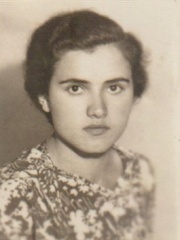
Mari Gerekmezyan
1913 - 1947
HPI: 51.97
Rank: 3