Lottatore
Attila Repka
1968 - presente
IT.WIKIPEDIA PAGE VIEWS (PV)

 Attila Repka
Attila Repka (10 gennaio 1968) è un ex lottatore ungherese, specializzato nella lotta greco-romana. Leggi di più su Wikipedia
La sua biografia è disponibile in 18 lingue su Wikipedia (in aumento rispetto a 17 nel 2024). Attila Repka è il 594° lottatore più popolare (in calo dal 345° nel 2024), la 921ª biografia più popolare dell'Ungheria (in calo dal 841ª nel 2019) e il 16° lottatore più popolare dell'Ungheria.
Memorability Metrics
Page views of Attila Repka by language
Among Lottatores
Among lottatores, Attila Repka ranks 594 out of 1,027. Before him are Sarah Logan, Vinesh Phogat, Kim Il, Zhivko Vangelov, Gerhard Himmel, and David Musulbes. After him are Ruben Houkes, Armen Mkrtchyan, Rasoul Khadem, Ashley Massaro, Ken Anderson, and Antal Kovács.
Most Popular Lottatores in Wikipedia
Go to all Rankings

Sarah Logan
1993 - Present
HPI: 45.44
Rank: 588
Vinesh Phogat
1994 - Present
HPI: 45.43
Rank: 589

Kim Il
1971 - Present
HPI: 45.41
Rank: 590

Zhivko Vangelov
1960 - Present
HPI: 45.39
Rank: 591

Gerhard Himmel
1965 - Present
HPI: 45.35
Rank: 592

David Musulbes
1972 - Present
HPI: 45.34
Rank: 593
Attila Repka
1968 - Present
HPI: 45.33
Rank: 594

Ruben Houkes
1979 - Present
HPI: 45.32
Rank: 595

Armen Mkrtchyan
1973 - Present
HPI: 45.31
Rank: 596
Rasoul Khadem
1972 - Present
HPI: 45.31
Rank: 597

Ashley Massaro
1979 - 2019
HPI: 45.30
Rank: 598

Ken Anderson
1976 - Present
HPI: 45.30
Rank: 599

Antal Kovács
1972 - Present
HPI: 45.28
Rank: 600

Contemporaries
Among people born in 1968, Attila Repka ranks 777. Before him are Ric Roman Waugh, Charlotte Coleman, Irshad Manji, Camelia Macoviciuc-Mihalcea, Lisa Loeb, and Patrick Sylvestre. After him are Thompson Oliha, Alessandro Puccini, Anders Borg, Wolnei Caio, Juan José Zúñiga, and Diego el Cigala.
Others Born in 1968
Go to all Rankings
Ric Roman Waugh
FILM DIRECTOR
1968 - Present
HPI: 45.40
Rank: 771
Charlotte Coleman
ACTOR
1968 - 2001
HPI: 45.39
Rank: 772

Irshad Manji
WRITER
1968 - Present
HPI: 45.36
Rank: 773

Camelia Macoviciuc-Mihalcea
POLITICIAN
1968 - Present
HPI: 45.35
Rank: 774

Lisa Loeb
ACTOR
1968 - Present
HPI: 45.35
Rank: 775
Patrick Sylvestre
SOCCER PLAYER
1968 - Present
HPI: 45.33
Rank: 776
Attila Repka
WRESTLER
1968 - Present
HPI: 45.33
Rank: 777

Thompson Oliha
SOCCER PLAYER
1968 - 2013
HPI: 45.32
Rank: 778

Alessandro Puccini
ATHLETE
1968 - Present
HPI: 45.31
Rank: 779
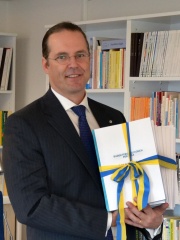
Anders Borg
POLITICIAN
1968 - Present
HPI: 45.30
Rank: 780

Wolnei Caio
SOCCER PLAYER
1968 - Present
HPI: 45.29
Rank: 781
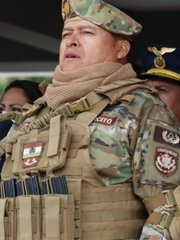
Juan José Zúñiga
MILITARY PERSONNEL
1968 - Present
HPI: 45.24
Rank: 782

Diego el Cigala
SINGER
1968 - Present
HPI: 45.23
Rank: 783
In Ungheria
Among people born in Ungheria, Attila Repka ranks 921 out of NaN. Before him are József Kardos (1960), József Csák (1966), Gábor Babos (1974), Géza Imre (1974), Dzsenifer Marozsán (1992), and Erzsébet Kocsis (1965). After him are Norbert Rózsa (1972), Mónika Lamperth (1957), Friderika Bayer (1971), Antal Kovács (1972), Ágnes Osztolykán (1974), and Iván Kovács (1970).
Others born in Ungheria
Go to all Rankings
József Kardos
SOCCER PLAYER
1960 - 2022
HPI: 45.67
Rank: 915

József Csák
ATHLETE
1966 - Present
HPI: 45.67
Rank: 916

Gábor Babos
SOCCER PLAYER
1974 - Present
HPI: 45.57
Rank: 917
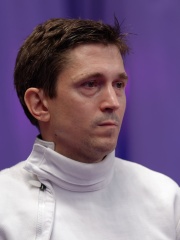
Géza Imre
FENCER
1974 - Present
HPI: 45.55
Rank: 918
Dzsenifer Marozsán
SOCCER PLAYER
1992 - Present
HPI: 45.48
Rank: 919
Erzsébet Kocsis
HANDBALL PLAYER
1965 - Present
HPI: 45.47
Rank: 920
Attila Repka
WRESTLER
1968 - Present
HPI: 45.33
Rank: 921
Norbert Rózsa
POLITICIAN
1972 - Present
HPI: 45.31
Rank: 922

Mónika Lamperth
POLITICIAN
1957 - Present
HPI: 45.31
Rank: 923

Friderika Bayer
SINGER
1971 - Present
HPI: 45.31
Rank: 924
Antal Kovács
WRESTLER
1972 - Present
HPI: 45.28
Rank: 925

Ágnes Osztolykán
POLITICIAN
1974 - Present
HPI: 45.20
Rank: 926
Iván Kovács
FENCER
1970 - Present
HPI: 45.09
Rank: 927
Among Lottatores In Ungheria
Among lottatores born in Ungheria, Attila Repka ranks 16. Before him are Ferenc Kocsis (1953), Norbert Növényi (1957), Csaba Hegedűs (1948), Tibor Komáromi (1964), István Majoros (1974), and András Sike (1965). After him are Antal Kovács (1972), Tamás Lőrincz (1986), Péter Farkas (1968), Éva Csernoviczki (1986), Miklós Ungvári (1980), and Gábor Hatos (1983).
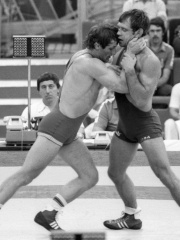
Ferenc Kocsis
1953 - Present
HPI: 52.53
Rank: 10

Norbert Növényi
1957 - Present
HPI: 49.90
Rank: 11
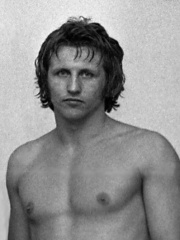
Csaba Hegedűs
1948 - Present
HPI: 49.07
Rank: 12

Tibor Komáromi
1964 - Present
HPI: 48.69
Rank: 13

István Majoros
1974 - Present
HPI: 46.52
Rank: 14
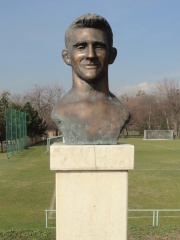
András Sike
1965 - Present
HPI: 46.47
Rank: 15
Attila Repka
1968 - Present
HPI: 45.33
Rank: 16
Antal Kovács
1972 - Present
HPI: 45.28
Rank: 17
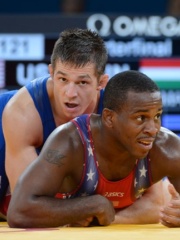
Tamás Lőrincz
1986 - Present
HPI: 44.84
Rank: 18

Péter Farkas
1968 - Present
HPI: 43.23
Rank: 19

Éva Csernoviczki
1986 - Present
HPI: 43.11
Rank: 20
Miklós Ungvári
1980 - Present
HPI: 42.28
Rank: 21

Gábor Hatos
1983 - Present
HPI: 41.26
Rank: 22