Figura religiosa
Athenagoras of Athens
133 - 190
IT.WIKIPEDIA PAGE VIEWS (PV)

 Athenagoras of Athens
La sua biografia è disponibile in 39 lingue su Wikipedia (in aumento rispetto a 38 nel 2024). Athenagoras of Athens è il 832° figura religiosa più popolare (in calo dal 790° nel 2024), la 220ª biografia più popolare della Grecia (in aumento dal 224ª nel 2019) e il 16° figura religiosa più popolare della Grecia.
Memorability Metrics
Page views of Athenagoras of Athens by language
Among Figura religiosas
Among figura religiosas, Athenagoras of Athens ranks 832 out of 3,187. Before him are Thaddeus of Edessa, Lorenzo Ruiz, Romuald, Justus, Giuseppe Caspar Mezzofanti, and Josephine Bakhita. After him are Peter Faber, Scipione Borghese, Maria Cristina of Savoy, Francisco Jiménez de Cisneros, Saint Cajetan, and Muhammad ibn al-Hanafiyyah.
Most Popular Figura Religiosas in Wikipedia
Go to all Rankings

Thaddeus of Edessa
100 - 50
HPI: 68.90
Rank: 826
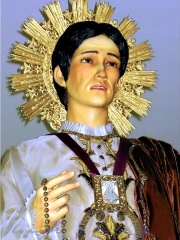
Lorenzo Ruiz
1600 - 1637
HPI: 68.89
Rank: 827
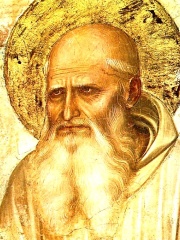
Romuald
951 - 1027
HPI: 68.86
Rank: 828
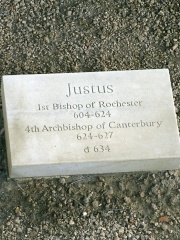
Justus
600 - 631
HPI: 68.85
Rank: 829
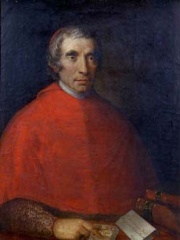
Giuseppe Caspar Mezzofanti
1774 - 1849
HPI: 68.84
Rank: 830
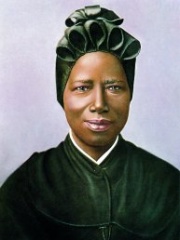
Josephine Bakhita
1868 - 1947
HPI: 68.83
Rank: 831
Athenagoras of Athens
133 - 190
HPI: 68.81
Rank: 832
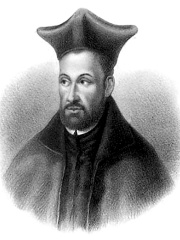
Peter Faber
1506 - 1545
HPI: 68.76
Rank: 833
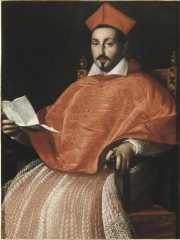
Scipione Borghese
1577 - 1633
HPI: 68.74
Rank: 834
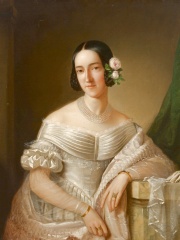
Maria Cristina of Savoy
1812 - 1836
HPI: 68.73
Rank: 835
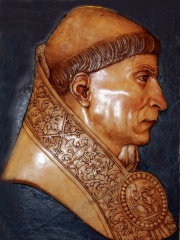
Francisco Jiménez de Cisneros
1436 - 1517
HPI: 68.73
Rank: 836

Saint Cajetan
1480 - 1547
HPI: 68.72
Rank: 837

Muhammad ibn al-Hanafiyyah
637 - 700
HPI: 68.69
Rank: 838

Contemporaries
Among people born in 133, Athenagoras of Athens ranks 2. Before him is Didius Julianus. After him is Cai Yong. Among people deceased in 190, Athenagoras of Athens ranks 1. After him is Liu Bian.
Others Born in 133
Go to all Rankings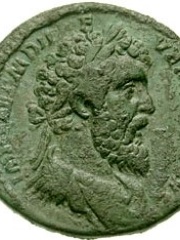
Didius Julianus
POLITICIAN
133 - 193
HPI: 79.76
Rank: 1
Athenagoras of Athens
RELIGIOUS FIGURE
133 - 190
HPI: 68.81
Rank: 2

Cai Yong
POLITICIAN
133 - 192
HPI: 64.34
Rank: 3
Others Deceased in 190
Go to all RankingsAthenagoras of Athens
RELIGIOUS FIGURE
133 - 190
HPI: 68.81
Rank: 1

Liu Bian
POLITICIAN
176 - 190
HPI: 67.93
Rank: 2
In Grecia
Among people born in Grecia, Athenagoras of Athens ranks 220 out of NaN. Before him are Idomeneus of Crete (null), Erasistratus (-303), Kyriakos Mitsotakis (1968), Periander (-700), Andreas Papandreou (1919), and Antiochus IX Cyzicenus (-135). After him are Leochares (-400), George Maniakes (998), Antiochus XI Epiphanes (-115), Ephialtes (-590), Cypselus (-700), and Thessalonike of Macedon (-352).
Others born in Grecia
Go to all Rankings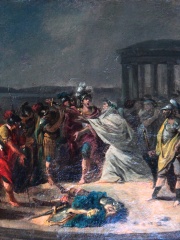
Idomeneus of Crete
POLITICIAN
HPI: 69.07
Rank: 214

Erasistratus
PHYSICIAN
303 BC - 249 BC
HPI: 69.05
Rank: 215

Kyriakos Mitsotakis
POLITICIAN
1968 - Present
HPI: 69.03
Rank: 216
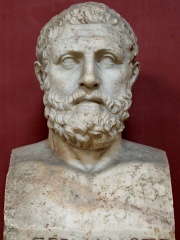
Periander
WRITER
700 BC - 583 BC
HPI: 68.98
Rank: 217

Andreas Papandreou
POLITICIAN
1919 - 1996
HPI: 68.96
Rank: 218
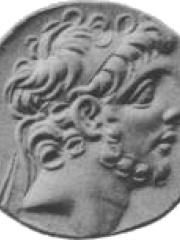
Antiochus IX Cyzicenus
POLITICIAN
135 BC - 95 BC
HPI: 68.83
Rank: 219
Athenagoras of Athens
RELIGIOUS FIGURE
133 - 190
HPI: 68.81
Rank: 220

Leochares
SCULPTOR
400 BC - 400 BC
HPI: 68.77
Rank: 221
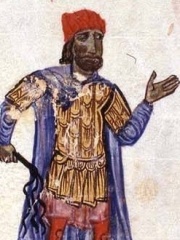
George Maniakes
MILITARY PERSONNEL
998 - 1043
HPI: 68.72
Rank: 222
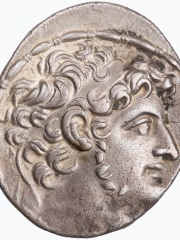
Antiochus XI Epiphanes
POLITICIAN
115 BC - 92 BC
HPI: 68.68
Rank: 223

Ephialtes
POLITICIAN
590 BC - 461 BC
HPI: 68.68
Rank: 224

Cypselus
POLITICIAN
700 BC - 627 BC
HPI: 68.63
Rank: 225
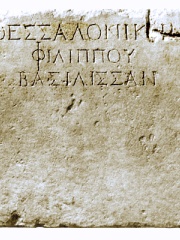
Thessalonike of Macedon
POLITICIAN
352 BC - 295 BC
HPI: 68.62
Rank: 226
Among Figura religiosas In Grecia
Among figura religiosas born in Grecia, Athenagoras of Athens ranks 16. Before him are Philomena (291), Antipope Alexander V (1339), Saint Giles (640), Porphyry of Gaza (347), Phoebe (50), and Nicholas Kabasilas (1322). After him are Theodore Stratelates (281), Isidore of Kiev (1385), Saturnin (300), Patriarch Theophilos III of Jerusalem (1952), Joseph II of Constantinople (1360), and Gregory V of Constantinople (1745).
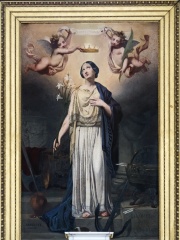
Philomena
291 - 304
HPI: 73.04
Rank: 10
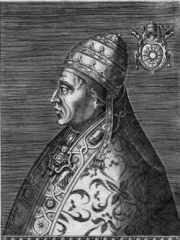
Antipope Alexander V
1339 - 1410
HPI: 72.58
Rank: 11

Saint Giles
640 - 710
HPI: 72.04
Rank: 12
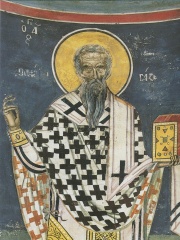
Porphyry of Gaza
347 - 420
HPI: 70.71
Rank: 13
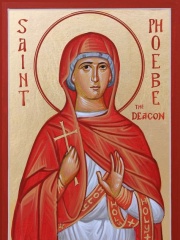
Phoebe
50 - 100
HPI: 69.48
Rank: 14
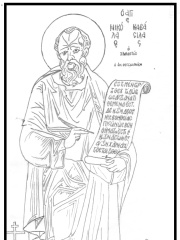
Nicholas Kabasilas
1322 - 1391
HPI: 69.48
Rank: 15
Athenagoras of Athens
133 - 190
HPI: 68.81
Rank: 16
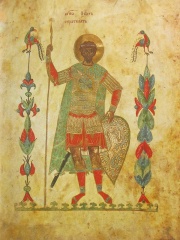
Theodore Stratelates
281 - 319
HPI: 67.76
Rank: 17
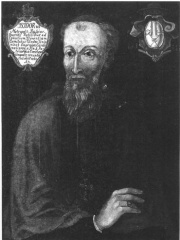
Isidore of Kiev
1385 - 1463
HPI: 66.86
Rank: 18

Saturnin
300 - 300
HPI: 66.67
Rank: 19
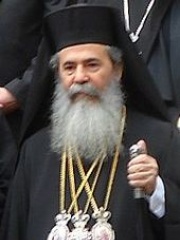
Patriarch Theophilos III of Jerusalem
1952 - Present
HPI: 66.24
Rank: 20

Joseph II of Constantinople
1360 - 1439
HPI: 66.01
Rank: 21
Gregory V of Constantinople
1745 - 1821
HPI: 65.64
Rank: 22