Figura religiosa
Aram I
1947 - presente
IT.WIKIPEDIA PAGE VIEWS (PV)
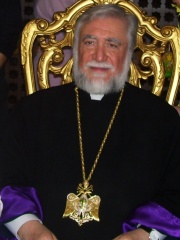

 Aram I
Aram I, (in armeno Արամ Ա.? nato Pedros Keshishian) (Beirut, 8 maggio 1947), è un vescovo cristiano orientale libanese, Catholicos di Cilicia della Chiesa apostolica armena dal 1995. Leggi di più su Wikipedia
La sua biografia è disponibile in 19 lingue su Wikipedia. Aram I è il 2081° figura religiosa più popolare (in aumento dal 2713° nel 2024), la 80ª biografia più popolare della Libano (in aumento dal 111ª nel 2019) e il 16° figura religiosa più popolare della Libano.
Memorability Metrics
Page views of Aram I by language
Among Figura religiosas
Among figura religiosas, Aram I ranks 2,081 out of 3,187. Before him are Bernard Francis Law, Maurice Bavaud, Paolo Romeo, Giovanni de' Medici, Pacian, and Eudoxius of Antioch. After him are Bertha of Kent, Laura Montoya, Benedict Biscop, Qadi Iyad, Eugenio Dal Corso, and Laurent-Joseph-Marius Imbert.
Most Popular Figura Religiosas in Wikipedia
Go to all Rankings
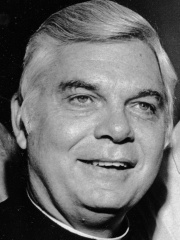
Bernard Francis Law
1931 - 2017
HPI: 60.30
Rank: 2,075
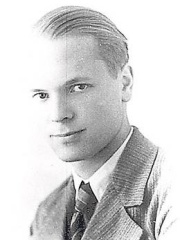
Maurice Bavaud
1916 - 1941
HPI: 60.30
Rank: 2,076
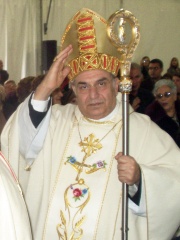
Paolo Romeo
1938 - Present
HPI: 60.30
Rank: 2,077
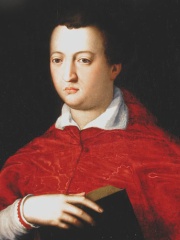
Giovanni de' Medici
1543 - 1562
HPI: 60.30
Rank: 2,078
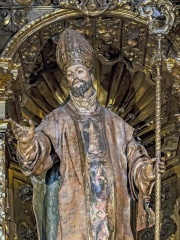
Pacian
310 - 390
HPI: 60.28
Rank: 2,079

Eudoxius of Antioch
300 - 370
HPI: 60.27
Rank: 2,080
Aram I
1947 - Present
HPI: 60.27
Rank: 2,081
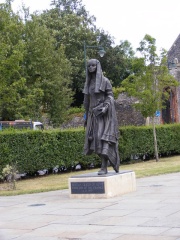
Bertha of Kent
550 - 601
HPI: 60.27
Rank: 2,082
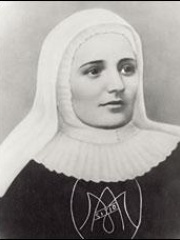
Laura Montoya
1874 - 1949
HPI: 60.26
Rank: 2,083
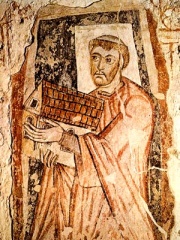
Benedict Biscop
628 - 690
HPI: 60.25
Rank: 2,084
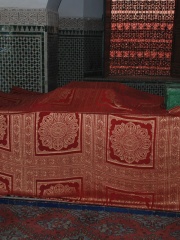
Qadi Iyad
1083 - 1149
HPI: 60.25
Rank: 2,085
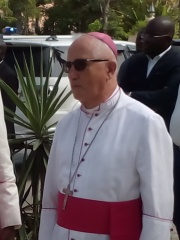
Eugenio Dal Corso
1939 - 2024
HPI: 60.25
Rank: 2,086
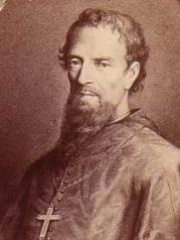
Laurent-Joseph-Marius Imbert
1796 - 1839
HPI: 60.25
Rank: 2,087

Contemporaries
Among people born in 1947, Aram I ranks 310. Before him are Robertino Loreti, Ann Hui, Sammy Hagar, Aleksandr Viktorenko, Tiit Vähi, and Gunter Demnig. After him are László Fazekas, Gunnar Staalesen, Tim Matheson, Peter Senge, Gerry Rafferty, and Brian Herbert.
Others Born in 1947
Go to all Rankings
Robertino Loreti
SINGER
1947 - Present
HPI: 60.32
Rank: 304

Ann Hui
FILM DIRECTOR
1947 - Present
HPI: 60.31
Rank: 305
Sammy Hagar
MUSICIAN
1947 - Present
HPI: 60.31
Rank: 306

Aleksandr Viktorenko
ASTRONAUT
1947 - 2023
HPI: 60.30
Rank: 307
Tiit Vähi
POLITICIAN
1947 - Present
HPI: 60.29
Rank: 308
Gunter Demnig
POLITICIAN
1947 - Present
HPI: 60.28
Rank: 309
Aram I
RELIGIOUS FIGURE
1947 - Present
HPI: 60.27
Rank: 310

László Fazekas
SOCCER PLAYER
1947 - Present
HPI: 60.11
Rank: 311
Gunnar Staalesen
WRITER
1947 - Present
HPI: 60.07
Rank: 312

Tim Matheson
ACTOR
1947 - Present
HPI: 60.05
Rank: 313
Peter Senge
ECONOMIST
1947 - Present
HPI: 60.03
Rank: 314
Gerry Rafferty
MUSICIAN
1947 - 2011
HPI: 60.03
Rank: 315
Brian Herbert
WRITER
1947 - Present
HPI: 60.03
Rank: 316
In Libano
Among people born in Libano, Aram I ranks 80 out of NaN. Before him are Élias Sarkis (1924), Ahmad Shukeiri (1908), Gabriel Yared (1949), Abdalonymus (-305), Hashem Safieddine (1964), and Antoun Saadeh (1904). After him are Fakhr al-Din II (1572), Ziad Jarrah (1975), Charles Helou (1913), Nancy Ajram (1983), Elie Hobeika (1956), and Butrus al-Bustani (1819).
Others born in Libano
Go to all Rankings
Élias Sarkis
POLITICIAN
1924 - 1985
HPI: 61.13
Rank: 74
Ahmad Shukeiri
POLITICIAN
1908 - 1980
HPI: 61.11
Rank: 75
Gabriel Yared
COMPOSER
1949 - Present
HPI: 60.96
Rank: 76
Abdalonymus
POLITICIAN
305 BC - Present
HPI: 60.83
Rank: 77
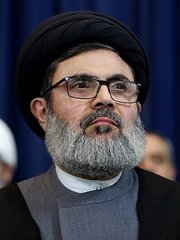
Hashem Safieddine
RELIGIOUS FIGURE
1964 - 2024
HPI: 60.69
Rank: 78
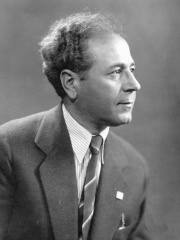
Antoun Saadeh
PHILOSOPHER
1904 - 1949
HPI: 60.46
Rank: 79
Aram I
RELIGIOUS FIGURE
1947 - Present
HPI: 60.27
Rank: 80
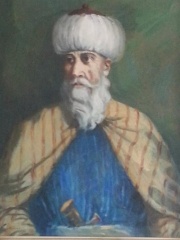
Fakhr al-Din II
POLITICIAN
1572 - 1635
HPI: 60.22
Rank: 81
Ziad Jarrah
EXTREMIST
1975 - 2001
HPI: 60.18
Rank: 82
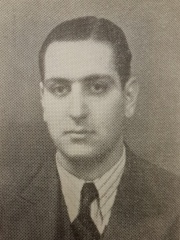
Charles Helou
POLITICIAN
1913 - 2001
HPI: 60.04
Rank: 83

Nancy Ajram
SINGER
1983 - Present
HPI: 59.77
Rank: 84
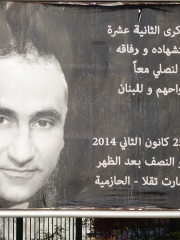
Elie Hobeika
POLITICIAN
1956 - 2002
HPI: 59.64
Rank: 85
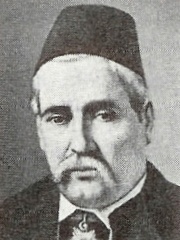
Butrus al-Bustani
WRITER
1819 - 1883
HPI: 59.58
Rank: 86
Among Figura religiosas In Libano
Among figura religiosas born in Libano, Aram I ranks 16. Before him are Nimatullah Kassab (1808), Pamphilus of Caesarea (240), Raphaël Bedros XXI Minassian (1946), Nasrallah Boutros Sfeir (1920), Abd al-Rahman al-Awza'i (707), and Hashem Safieddine (1964). After him are Giuseppe Simone Assemani (1686), Anthony Peter Khoraish (1907), and Aïda Yazbeck (null).
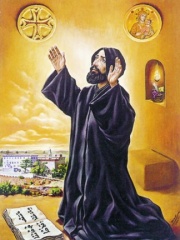
Nimatullah Kassab
1808 - 1858
HPI: 66.26
Rank: 10
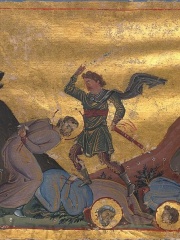
Pamphilus of Caesarea
240 - 309
HPI: 64.79
Rank: 11
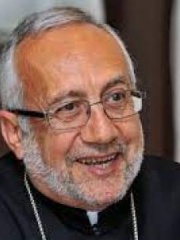
Raphaël Bedros XXI Minassian
1946 - Present
HPI: 63.18
Rank: 12
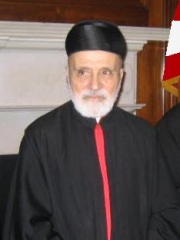
Nasrallah Boutros Sfeir
1920 - 2019
HPI: 62.29
Rank: 13

Abd al-Rahman al-Awza'i
707 - 774
HPI: 62.04
Rank: 14
Hashem Safieddine
1964 - 2024
HPI: 60.69
Rank: 15
Aram I
1947 - Present
HPI: 60.27
Rank: 16
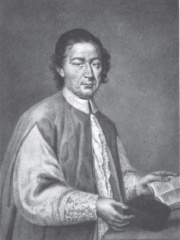
Giuseppe Simone Assemani
1686 - 1768
HPI: 57.17
Rank: 17
Anthony Peter Khoraish
1907 - 1994
HPI: 55.84
Rank: 18

Aïda Yazbeck
HPI: 34.76
Rank: 19