Politico
Antipope Benedict X
1048 - 1074
IT.WIKIPEDIA PAGE VIEWS (PV)
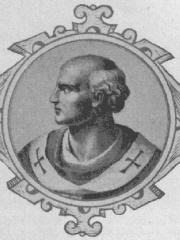
 Antipope Benedict X
La sua biografia è disponibile in 31 lingue su Wikipedia. Antipope Benedict X è il 6408° politico più popolare (in calo dal 5122° nel 2024), la 1696ª biografia più popolare dell'Italia (in calo dal 1495ª nel 2019) e il 417° politico più popolare dell'Italia.
Memorability Metrics
Page views of Antipope Benedict X by language
Among Politicos
Among politicos, Antipope Benedict X ranks 6,408 out of 19,576. Before him are Pierre Gemayel, King Zhao of Zhou, Morihiro Hosokawa, ʻAkilisi Pōhiva, Johan Ferrier, and Rómulo Betancourt. After him are Icel of Mercia, Leonardo Loredan, Nouhak Phoumsavanh, Pentawer, Juan Prim, 1st Count of Reus, and Reccared II.
Most Popular Politicos in Wikipedia
Go to all Rankings
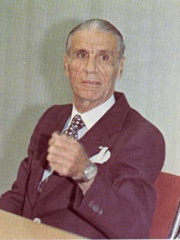
Pierre Gemayel
1905 - 1984
HPI: 64.85
Rank: 6,404

King Zhao of Zhou
1027 BC - 957 BC
HPI: 64.85
Rank: 6,405

Morihiro Hosokawa
1938 - Present
HPI: 64.85
Rank: 6,406
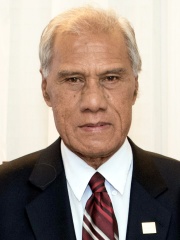
ʻAkilisi Pōhiva
1941 - 2019
HPI: 64.85
Rank: 6,407
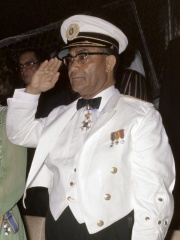
Johan Ferrier
1910 - 2010
HPI: 64.85
Rank: 6,408
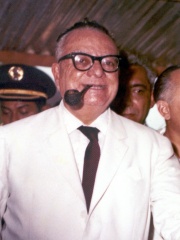
Rómulo Betancourt
1908 - 1981
HPI: 64.84
Rank: 6,409
Antipope Benedict X
1048 - 1074
HPI: 64.84
Rank: 6,410

Icel of Mercia
501 - 600
HPI: 64.84
Rank: 6,411
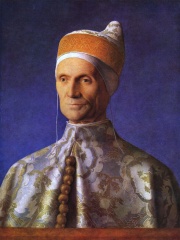
Leonardo Loredan
1436 - 1521
HPI: 64.84
Rank: 6,412
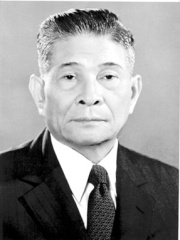
Nouhak Phoumsavanh
1910 - 2008
HPI: 64.84
Rank: 6,413
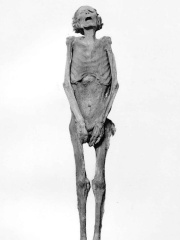
Pentawer
1173 BC - 1155 BC
HPI: 64.84
Rank: 6,414
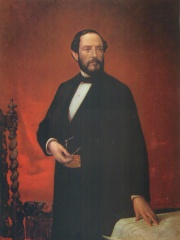
Juan Prim, 1st Count of Reus
1814 - 1870
HPI: 64.84
Rank: 6,415
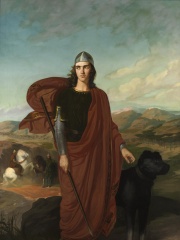
Reccared II
650 - 621
HPI: 64.84
Rank: 6,416

Contemporaries
Among people born in 1048, Antipope Benedict X ranks 4. Before him are Omar Khayyam, Alexios I Komnenos, and Emperor Shenzong of Song. After him are Magnus II of Norway, Peter I, Count of Savoy, and Świętosława of Poland. Among people deceased in 1074, Antipope Benedict X ranks 3. Before him are Anastasia of Kiev, and Henry, son of Robert I of Burgundy. After him are Peter Krešimir IV of Croatia, Theodosius of Kiev, and Herman I of Baden.
Others Born in 1048
Go to all Rankings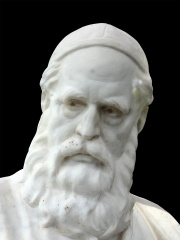
Omar Khayyam
MATHEMATICIAN
1048 - 1131
HPI: 86.69
Rank: 1
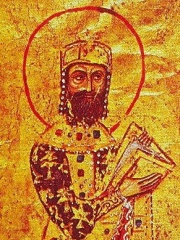
Alexios I Komnenos
POLITICIAN
1048 - 1118
HPI: 78.15
Rank: 2

Emperor Shenzong of Song
POLITICIAN
1048 - 1085
HPI: 69.14
Rank: 3
Antipope Benedict X
POLITICIAN
1048 - 1074
HPI: 64.84
Rank: 4

Magnus II of Norway
POLITICIAN
1048 - 1069
HPI: 64.68
Rank: 5
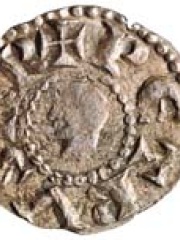
Peter I, Count of Savoy
NOBLEMAN
1048 - 1078
HPI: 64.46
Rank: 6
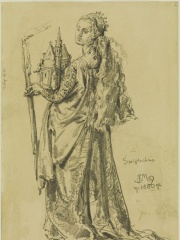
Świętosława of Poland
COMPANION
1048 - 1126
HPI: 62.92
Rank: 7
Others Deceased in 1074
Go to all Rankings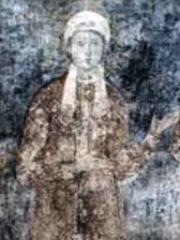
Anastasia of Kiev
POLITICIAN
1023 - 1074
HPI: 69.44
Rank: 1

Henry, son of Robert I of Burgundy
COMPANION
1035 - 1074
HPI: 66.29
Rank: 2
Antipope Benedict X
POLITICIAN
1048 - 1074
HPI: 64.84
Rank: 3
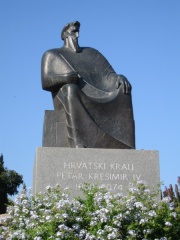
Peter Krešimir IV of Croatia
POLITICIAN
HPI: 63.31
Rank: 4
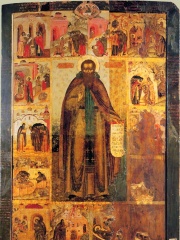
Theodosius of Kiev
RELIGIOUS FIGURE
1029 - 1074
HPI: 62.32
Rank: 5
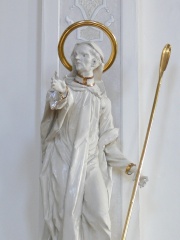
Herman I of Baden
RELIGIOUS FIGURE
1040 - 1074
HPI: 61.66
Rank: 6
In Italia
Among people born in Italia, Antipope Benedict X ranks 1,696 out of NaN. Before him are Catherine de' Medici, Governor of Siena (1593), Marco Bellocchio (1939), Roberto Calvi (1920), Giulio Douhet (1869), Aly Khan (1911), and Gaetano Mosca (1858). After him are Leonardo Loredan (1436), Cesare Prandelli (1957), Laura Pausini (1974), Piero Taruffi (1906), Pietro Bernini (1562), and Prince Alfonso, Count of Caserta (1841).
Others born in Italia
Go to all Rankings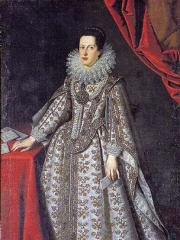
Catherine de' Medici, Governor of Siena
COMPANION
1593 - 1629
HPI: 64.87
Rank: 1,690
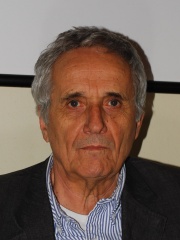
Marco Bellocchio
FILM DIRECTOR
1939 - Present
HPI: 64.87
Rank: 1,691
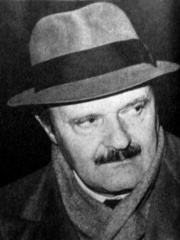
Roberto Calvi
RELIGIOUS FIGURE
1920 - 1982
HPI: 64.87
Rank: 1,692
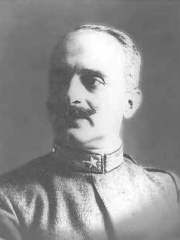
Giulio Douhet
POLITICIAN
1869 - 1930
HPI: 64.86
Rank: 1,693
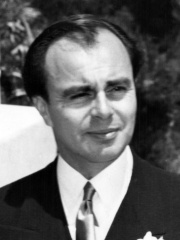
Aly Khan
NOBLEMAN
1911 - 1960
HPI: 64.85
Rank: 1,694
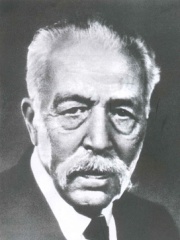
Gaetano Mosca
PHILOSOPHER
1858 - 1941
HPI: 64.85
Rank: 1,695
Antipope Benedict X
POLITICIAN
1048 - 1074
HPI: 64.84
Rank: 1,696
Leonardo Loredan
POLITICIAN
1436 - 1521
HPI: 64.84
Rank: 1,697

Cesare Prandelli
COACH
1957 - Present
HPI: 64.84
Rank: 1,698

Laura Pausini
SINGER
1974 - Present
HPI: 64.83
Rank: 1,699
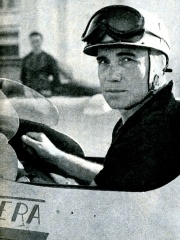
Piero Taruffi
RACING DRIVER
1906 - 1988
HPI: 64.82
Rank: 1,700
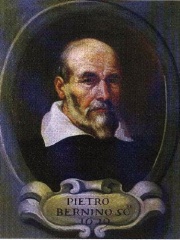
Pietro Bernini
SCULPTOR
1562 - 1629
HPI: 64.81
Rank: 1,701
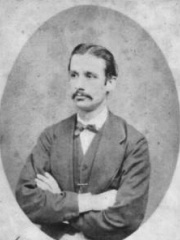
Prince Alfonso, Count of Caserta
POLITICIAN
1841 - 1934
HPI: 64.80
Rank: 1,702
Among Politicos In Italia
Among politicos born in Italia, Antipope Benedict X ranks 417. Before him are Porcius Festus (null), Leonardo Sciascia (1921), Ludovico III Gonzaga, Marquis of Mantua (1412), Aistulf (null), Pierre Napoléon Bonaparte (1815), and Giulio Douhet (1869). After him are Leonardo Loredan (1436), Prince Alfonso, Count of Caserta (1841), Antonio Salandra (1853), Blanche of Anjou (1280), Gallus Anonymus (1010), and Alberic I of Spoleto (900).
Porcius Festus
HPI: 64.98
Rank: 411
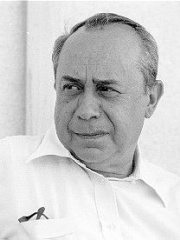
Leonardo Sciascia
1921 - 1989
HPI: 64.95
Rank: 412
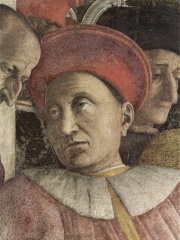
Ludovico III Gonzaga, Marquis of Mantua
1412 - 1478
HPI: 64.92
Rank: 413
Aistulf
HPI: 64.90
Rank: 414
Pierre Napoléon Bonaparte
1815 - 1881
HPI: 64.89
Rank: 415
Giulio Douhet
1869 - 1930
HPI: 64.86
Rank: 416
Antipope Benedict X
1048 - 1074
HPI: 64.84
Rank: 417
Leonardo Loredan
1436 - 1521
HPI: 64.84
Rank: 418
Prince Alfonso, Count of Caserta
1841 - 1934
HPI: 64.80
Rank: 419
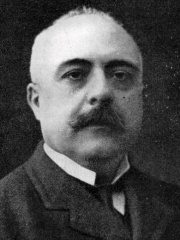
Antonio Salandra
1853 - 1931
HPI: 64.79
Rank: 420
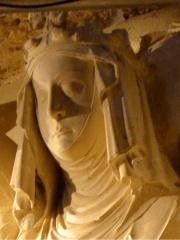
Blanche of Anjou
1280 - 1310
HPI: 64.79
Rank: 421

Gallus Anonymus
1010 - 1145
HPI: 64.77
Rank: 422

Alberic I of Spoleto
900 - 924
HPI: 64.75
Rank: 423