Estremista
Abu Nidal
1937 - 2002
IT.WIKIPEDIA PAGE VIEWS (PV)

 Abu Nidal
La sua biografia è disponibile in 33 lingue su Wikipedia (in aumento rispetto a 32 nel 2024). Abu Nidal è il 53° estremista più popolare (in calo dal 32° nel 2024), la 111ª biografia più popolare dell'Israele (in calo dal 90ª nel 2019) e il 2° estremista più popolare dell'Israele.
Memorability Metrics
Page views of Abu Nidal by language
Among Estremistas
Among estremistas, Abu Nidal ranks 53 out of 283. Before him are George Habash, Nathuram Godse, Joseph Kony, Jim Jones, Sawney Bean, and William Kemmler. After him are Mohamed Atta, Butch Cassidy, Pavlik Morozov, Tex Watson, Karl Denke, and Friedrich Jeckeln.
Most Popular Estremistas in Wikipedia
Go to all Rankings
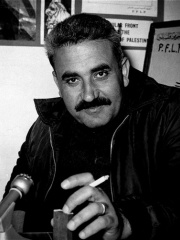
George Habash
1926 - 2008
HPI: 69.27
Rank: 47
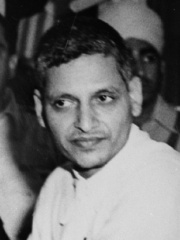
Nathuram Godse
1910 - 1949
HPI: 68.95
Rank: 48
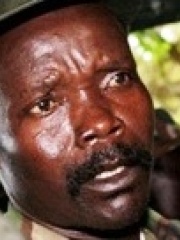
Joseph Kony
1961 - Present
HPI: 68.86
Rank: 49
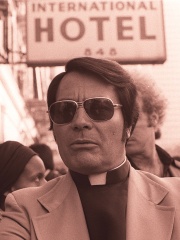
Jim Jones
1931 - 1978
HPI: 68.78
Rank: 50

Sawney Bean
1600 - 1600
HPI: 68.72
Rank: 51
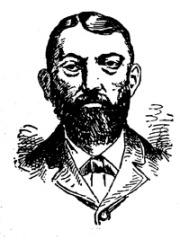
William Kemmler
1860 - 1890
HPI: 68.67
Rank: 52
Abu Nidal
1937 - 2002
HPI: 68.58
Rank: 53
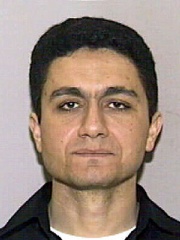
Mohamed Atta
1968 - 2001
HPI: 68.45
Rank: 54
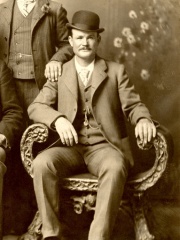
Butch Cassidy
1866 - 1908
HPI: 68.23
Rank: 55
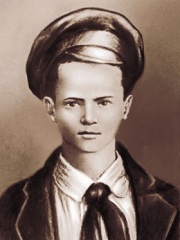
Pavlik Morozov
1918 - 1932
HPI: 68.21
Rank: 56
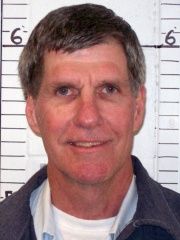
Tex Watson
1945 - Present
HPI: 68.17
Rank: 57
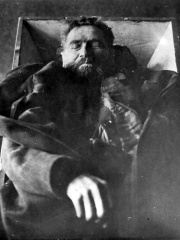
Karl Denke
1860 - 1924
HPI: 68.09
Rank: 58
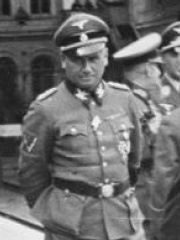
Friedrich Jeckeln
1895 - 1946
HPI: 67.94
Rank: 59

Contemporaries
Among people born in 1937, Abu Nidal ranks 56. Before him are Juvénal Habyarimana, Roald Hoffmann, Colin Powell, Roberta Flack, Angelo Badalamenti, and Sajida Talfah. After him are Vladimir Arnold, Sigmund Jähn, Hélène Cixous, Nawaf Al-Ahmad Al-Jaber Al-Sabah, Ferdinand Piëch, and Mario Capecchi. Among people deceased in 2002, Abu Nidal ranks 41. Before him are Robert Nozick, Juan Alberto Schiaffino, James Tobin, Jonas Savimbi, Zizinho, and William Luther Pierce. After him are Xi Zhongxun, John Cocke, Ne Win, Yoshio Okada, Eduardo Chillida, and Raf Vallone.
Others Born in 1937
Go to all Rankings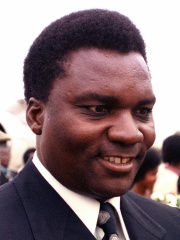
Juvénal Habyarimana
POLITICIAN
1937 - 1994
HPI: 69.34
Rank: 50
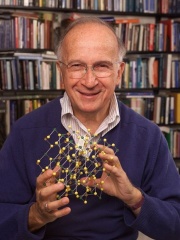
Roald Hoffmann
CHEMIST
1937 - Present
HPI: 69.16
Rank: 51
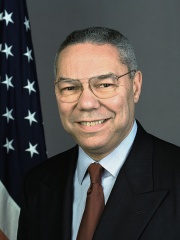
Colin Powell
POLITICIAN
1937 - 2021
HPI: 69.03
Rank: 52
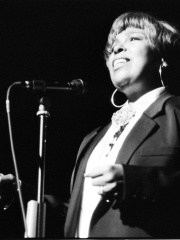
Roberta Flack
SINGER
1937 - 2025
HPI: 69.03
Rank: 53
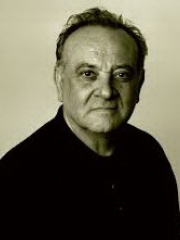
Angelo Badalamenti
COMPOSER
1937 - 2022
HPI: 68.92
Rank: 54
Sajida Talfah
POLITICIAN
1937 - Present
HPI: 68.81
Rank: 55
Abu Nidal
EXTREMIST
1937 - 2002
HPI: 68.58
Rank: 56
Vladimir Arnold
MATHEMATICIAN
1937 - 2010
HPI: 68.43
Rank: 57
Sigmund Jähn
ASTRONAUT
1937 - 2019
HPI: 68.36
Rank: 58
Hélène Cixous
WRITER
1937 - Present
HPI: 68.36
Rank: 59
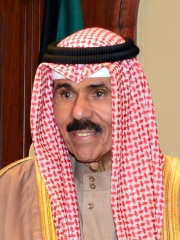
Nawaf Al-Ahmad Al-Jaber Al-Sabah
POLITICIAN
1937 - 2023
HPI: 68.35
Rank: 60
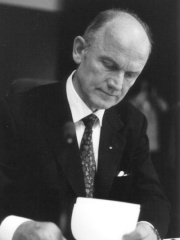
Ferdinand Piëch
BUSINESSPERSON
1937 - 2019
HPI: 68.28
Rank: 61
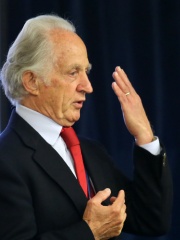
Mario Capecchi
BIOLOGIST
1937 - Present
HPI: 68.21
Rank: 62
Others Deceased in 2002
Go to all Rankings
Robert Nozick
PHILOSOPHER
1938 - 2002
HPI: 69.33
Rank: 35

Juan Alberto Schiaffino
SOCCER PLAYER
1925 - 2002
HPI: 69.24
Rank: 36
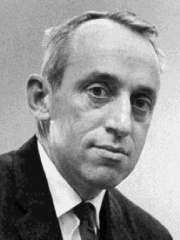
James Tobin
ECONOMIST
1918 - 2002
HPI: 69.22
Rank: 37
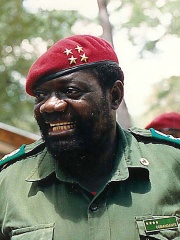
Jonas Savimbi
MILITARY PERSONNEL
1934 - 2002
HPI: 69.06
Rank: 38
Zizinho
SOCCER PLAYER
1921 - 2002
HPI: 68.74
Rank: 39
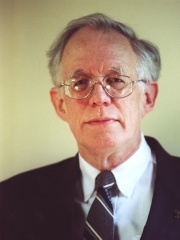
William Luther Pierce
SOCIAL ACTIVIST
1933 - 2002
HPI: 68.65
Rank: 40
Abu Nidal
EXTREMIST
1937 - 2002
HPI: 68.58
Rank: 41
Xi Zhongxun
POLITICIAN
1913 - 2002
HPI: 68.41
Rank: 42
John Cocke
COMPUTER SCIENTIST
1925 - 2002
HPI: 68.32
Rank: 43
Ne Win
POLITICIAN
1910 - 2002
HPI: 68.25
Rank: 44

Yoshio Okada
SOCCER PLAYER
1926 - 2002
HPI: 68.00
Rank: 45
Eduardo Chillida
SCULPTOR
1924 - 2002
HPI: 67.93
Rank: 46
Raf Vallone
ACTOR
1916 - 2002
HPI: 67.93
Rank: 47
In Israele
Among people born in Israele, Abu Nidal ranks 111 out of NaN. Before him are Ofra Haza (1957), Yitzhak Navon (1921), Zephaniah (-701), Natalie Portman (1981), Abdel Aziz al-Rantisi (1947), and Itzhak Perlman (1945). After him are Frederick VI, Duke of Swabia (1167), Isaac Luria (1534), Philip the Evangelist (100), Ghassan Kanafani (1936), Aristobulus II (-100), and Arieh Warshel (1940).
Others born in Israele
Go to all Rankings
Ofra Haza
SINGER
1957 - 2000
HPI: 69.16
Rank: 105
Yitzhak Navon
POLITICIAN
1921 - 2015
HPI: 69.16
Rank: 106
Zephaniah
RELIGIOUS FIGURE
701 BC - 609 BC
HPI: 69.09
Rank: 107
Natalie Portman
ACTOR
1981 - Present
HPI: 68.99
Rank: 108
Abdel Aziz al-Rantisi
POLITICIAN
1947 - 2004
HPI: 68.97
Rank: 109
Itzhak Perlman
MUSICIAN
1945 - Present
HPI: 68.92
Rank: 110
Abu Nidal
EXTREMIST
1937 - 2002
HPI: 68.58
Rank: 111
Frederick VI, Duke of Swabia
NOBLEMAN
1167 - 1191
HPI: 68.52
Rank: 112
Isaac Luria
RELIGIOUS FIGURE
1534 - 1572
HPI: 68.41
Rank: 113
Philip the Evangelist
RELIGIOUS FIGURE
100 - 100
HPI: 68.41
Rank: 114

Ghassan Kanafani
WRITER
1936 - 1972
HPI: 68.23
Rank: 115
Aristobulus II
POLITICIAN
100 BC - 49 BC
HPI: 68.01
Rank: 116
Arieh Warshel
CHEMIST
1940 - Present
HPI: 68.01
Rank: 117
Among Estremistas In Israele
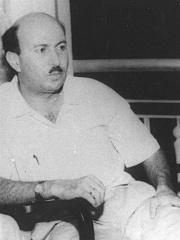
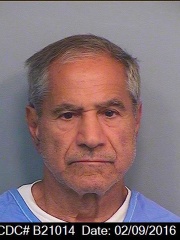
Among estremistas born in Israele, Abu Nidal ranks 2. Before him are George Habash (1926). After him are Wadie Haddad (1927), Sirhan Sirhan (1944), and Yigal Amir (1970).
George Habash
1926 - 2008
HPI: 69.27
Rank: 1
Abu Nidal
1937 - 2002
HPI: 68.58
Rank: 2
Wadie Haddad
1927 - 1978
HPI: 63.84
Rank: 3
Sirhan Sirhan
1944 - Present
HPI: 63.82
Rank: 4

Yigal Amir
1970 - Present
HPI: 59.59
Rank: 5