Író
Udo Lindenberg
1946 - napjainkig
HU.WIKIPEDIA PAGE VIEWS (PV)
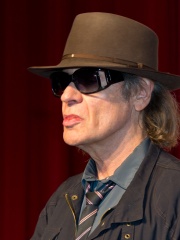

 Udo Lindenberg
Életrajza 26 különböző nyelven érhető el a Wikipédián. Udo Lindenberg a 2,633rd legnépszerűbb író (csökkenés a 2,233rd-ről 2024-ben), a 2,799th legnépszerűbb életrajz Németország országából (csökkenés a 2,372nd-ről 2019-ben) és a 171st legnépszerűbb Németországból író.
Memorability Metrics
Page views of Udo Lindenberg by language
Among Író
Among író, Udo Lindenberg ranks 2,633 out of 7,302. Before him are Vladimir Stasov, Martin Walser, Shah Abdul Latif Bhittai, Sylvain Maréchal, Seymour Hersh, and Alexander Kazbegi. After him are Cornelius Ryan, Carolyne zu Sayn-Wittgenstein, Han Suyin, Badi' al-Zaman al-Hamadani, Ramón Sampedro, and Maria Teresa Horta.
Most Popular ÍRó in Wikipedia
Go to all Rankings
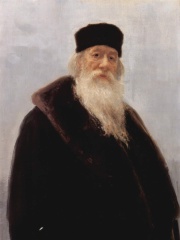
Vladimir Stasov
1824 - 1906
HPI: 61.38
Rank: 2,627
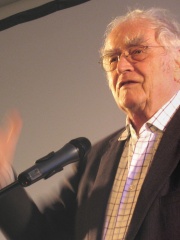
Martin Walser
1927 - 2023
HPI: 61.37
Rank: 2,628
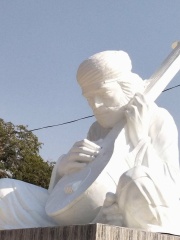
Shah Abdul Latif Bhittai
1690 - 1751
HPI: 61.37
Rank: 2,629
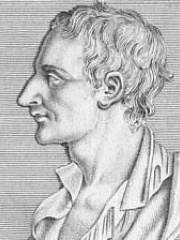
Sylvain Maréchal
1750 - 1803
HPI: 61.37
Rank: 2,630
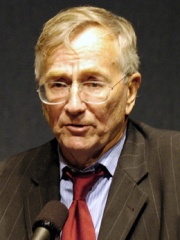
Seymour Hersh
1937 - Present
HPI: 61.36
Rank: 2,631
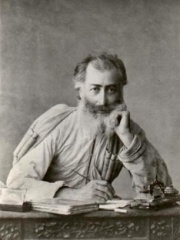
Alexander Kazbegi
1848 - 1893
HPI: 61.36
Rank: 2,632
Udo Lindenberg
1946 - Present
HPI: 61.36
Rank: 2,633
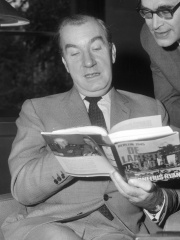
Cornelius Ryan
1920 - 1974
HPI: 61.35
Rank: 2,634
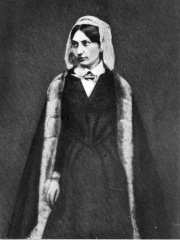
Carolyne zu Sayn-Wittgenstein
1819 - 1887
HPI: 61.35
Rank: 2,635

Han Suyin
1917 - 2012
HPI: 61.34
Rank: 2,636
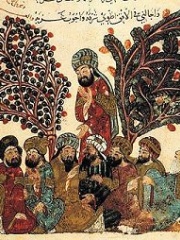
Badi' al-Zaman al-Hamadani
967 - 1007
HPI: 61.34
Rank: 2,637
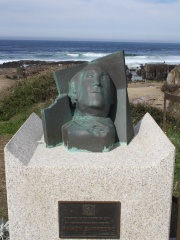
Ramón Sampedro
1943 - 1998
HPI: 61.34
Rank: 2,638
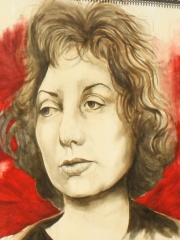
Maria Teresa Horta
1937 - 2025
HPI: 61.33
Rank: 2,639

Contemporaries
Among people born in 1946, Udo Lindenberg ranks 275. Before him are Andrzej Seweryn, Steve Kanaly, Silvio Rodríguez, Tyne Daly, Al Green, and Henryk Kasperczak. After him are Francesco Montenegro, Arnoldo Alemán, Jean-Baptiste Bagaza, Peter Sutcliffe, Johnson Toribiong, and Pierino Prati.
Others Born in 1946
Go to all Rankings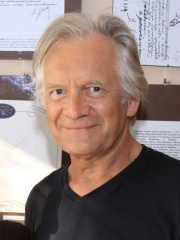
Andrzej Seweryn
ACTOR
1946 - Present
HPI: 61.53
Rank: 269

Steve Kanaly
ACTOR
1946 - Present
HPI: 61.51
Rank: 270
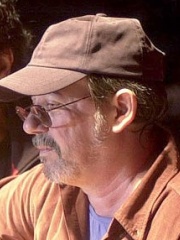
Silvio Rodríguez
SINGER
1946 - Present
HPI: 61.50
Rank: 271
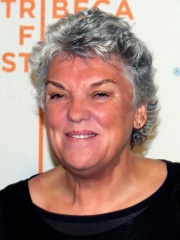
Tyne Daly
ACTOR
1946 - Present
HPI: 61.44
Rank: 272

Al Green
SINGER
1946 - Present
HPI: 61.44
Rank: 273
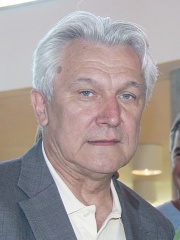
Henryk Kasperczak
COACH
1946 - Present
HPI: 61.36
Rank: 274
Udo Lindenberg
WRITER
1946 - Present
HPI: 61.36
Rank: 275
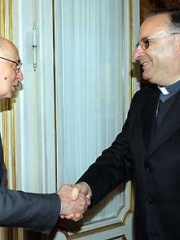
Francesco Montenegro
RELIGIOUS FIGURE
1946 - Present
HPI: 61.35
Rank: 276
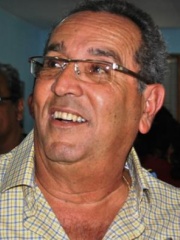
Arnoldo Alemán
POLITICIAN
1946 - Present
HPI: 61.32
Rank: 277
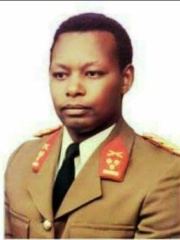
Jean-Baptiste Bagaza
POLITICIAN
1946 - 2016
HPI: 61.25
Rank: 278
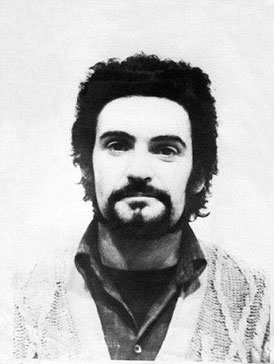
Peter Sutcliffe
EXTREMIST
1946 - 2020
HPI: 61.24
Rank: 279
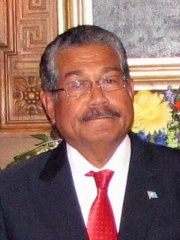
Johnson Toribiong
POLITICIAN
1946 - Present
HPI: 61.22
Rank: 280
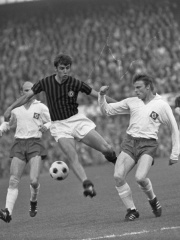
Pierino Prati
SOCCER PLAYER
1946 - 2020
HPI: 61.17
Rank: 281
In Németország
Among people born in Németország, Udo Lindenberg ranks 2,800 out of NaN. Before him are Princess Maria Augusta of Saxony (1782), Michael Rummenigge (1964), Franz Joseph Emil Fischer (1877), Martin Walser (1927), Werner Schroeter (1945), and Sabina of Bavaria (1492). After him are Leo Löwenthal (1900), Franz Reuleaux (1829), Hermann Breith (1892), Duke George of Oldenburg (1784), Tielman Susato (1500), and Augustus the Elder, Duke of Brunswick-Lüneburg (1568).
Others born in Németország
Go to all Rankings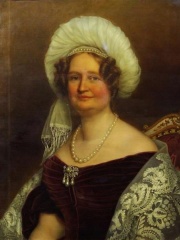
Princess Maria Augusta of Saxony
NOBLEMAN
1782 - 1863
HPI: 61.39
Rank: 2,794
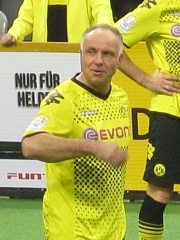
Michael Rummenigge
SOCCER PLAYER
1964 - Present
HPI: 61.39
Rank: 2,795
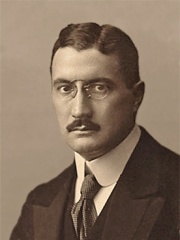
Franz Joseph Emil Fischer
CHEMIST
1877 - 1947
HPI: 61.38
Rank: 2,796
Martin Walser
WRITER
1927 - 2023
HPI: 61.37
Rank: 2,797
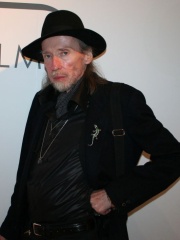
Werner Schroeter
FILM DIRECTOR
1945 - 2010
HPI: 61.36
Rank: 2,798
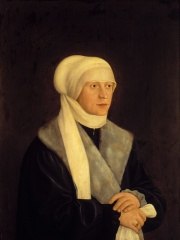
Sabina of Bavaria
POLITICIAN
1492 - 1564
HPI: 61.36
Rank: 2,799
Udo Lindenberg
WRITER
1946 - Present
HPI: 61.36
Rank: 2,800

Leo Löwenthal
PHILOSOPHER
1900 - 1993
HPI: 61.36
Rank: 2,801
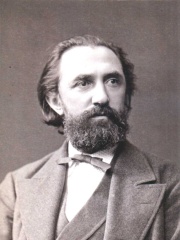
Franz Reuleaux
ENGINEER
1829 - 1905
HPI: 61.36
Rank: 2,802
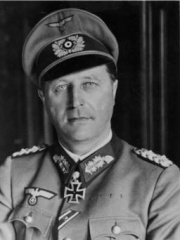
Hermann Breith
MILITARY PERSONNEL
1892 - 1964
HPI: 61.36
Rank: 2,803
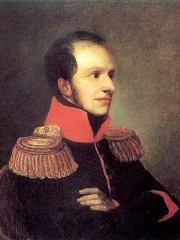
Duke George of Oldenburg
POLITICIAN
1784 - 1812
HPI: 61.35
Rank: 2,804
Tielman Susato
COMPOSER
1500 - 1570
HPI: 61.35
Rank: 2,805
Augustus the Elder, Duke of Brunswick-Lüneburg
NOBLEMAN
1568 - 1636
HPI: 61.35
Rank: 2,806
Among Író In Németország
Among író born in Németország, Udo Lindenberg ranks 171. Before him are Joseph Görres (1776), Matthias Claudius (1740), Christian Friedrich Daniel Schubart (1739), Cornelia Funke (1958), Friedrich Spee (1591), and Martin Walser (1927). After him are Malwida von Meysenbug (1816), Heinz G. Konsalik (1921), Johann Froben (1460), Dorothea von Schlegel (1764), Arno Schmidt (1914), and Heinrich Hoffmann (1809).
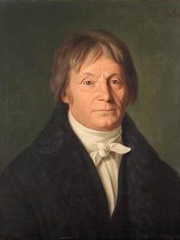
Joseph Görres
1776 - 1848
HPI: 61.51
Rank: 165
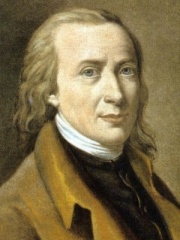
Matthias Claudius
1740 - 1815
HPI: 61.49
Rank: 166
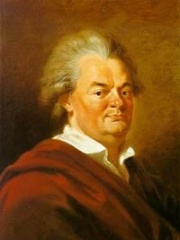
Christian Friedrich Daniel Schubart
1739 - 1791
HPI: 61.45
Rank: 167
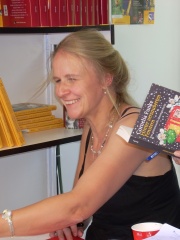
Cornelia Funke
1958 - Present
HPI: 61.44
Rank: 168
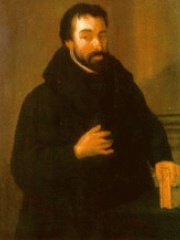
Friedrich Spee
1591 - 1635
HPI: 61.41
Rank: 169
Martin Walser
1927 - 2023
HPI: 61.37
Rank: 170
Udo Lindenberg
1946 - Present
HPI: 61.36
Rank: 171
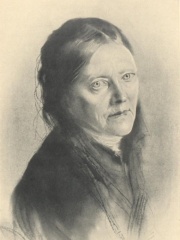
Malwida von Meysenbug
1816 - 1903
HPI: 61.24
Rank: 172

Heinz G. Konsalik
1921 - 1999
HPI: 61.24
Rank: 173
Johann Froben
1460 - 1527
HPI: 61.16
Rank: 174
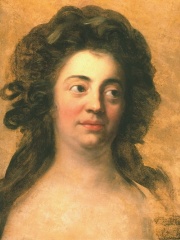
Dorothea von Schlegel
1764 - 1839
HPI: 61.10
Rank: 175
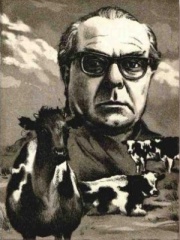
Arno Schmidt
1914 - 1979
HPI: 61.03
Rank: 176
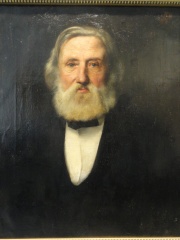
Heinrich Hoffmann
1809 - 1894
HPI: 60.95
Rank: 177