Politikus
Spitamenes
400 BC - 328 BC
HU.WIKIPEDIA PAGE VIEWS (PV)

 Spitamenes
Szpitamenész (i. e. 370 – i. e. Bővebben a Wikipédián
His biography is available in 26 different languages on Wikipedia (up from 24 in 2024). Spitamenes is the 3,509th most popular politikus (down from 3,087th in 2024), the 4th most popular biography from Tajikistan (down from 3rd in 2019) and the 2nd most popular Tadzhik Politikus.
Spitamenes was most famous for his role in the battle of Thermopylae, where he led the Persian cavalry.
Memorability Metrics
Page views of Spitamenes by language
Among Politikuses
Among politikuses, Spitamenes ranks 3,509 out of 19,576. Before him are Ahmad al-Khatib, Amel-Marduk, Haakon Sigurdsson, Hormizd II, Absalon, and Zhang Liang. After him are Cecily Neville, Duchess of York, Tetricus I, Urraca of León, Robert Smith, Muhammad I of Córdoba, and Al-Mu'tamid.
Most Popular Politikuses in Wikipedia
Go to all Rankings
Ahmad al-Khatib
1933 - 1982
HPI: 68.74
Rank: 3,505
Amel-Marduk
581 BC - 562 BC
HPI: 68.74
Rank: 3,506
Haakon Sigurdsson
930 - 995
HPI: 68.74
Rank: 3,507
Hormizd II
300 - 309
HPI: 68.74
Rank: 3,508
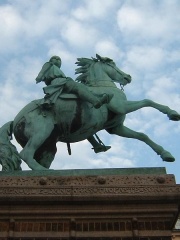
Absalon
1128 - 1201
HPI: 68.74
Rank: 3,509
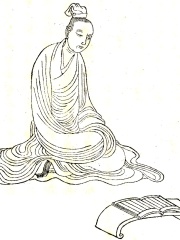
Zhang Liang
290 BC - 186 BC
HPI: 68.73
Rank: 3,510
Spitamenes
400 BC - 328 BC
HPI: 68.73
Rank: 3,511
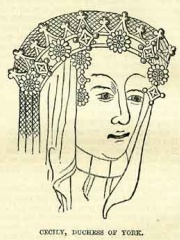
Cecily Neville, Duchess of York
1415 - 1495
HPI: 68.73
Rank: 3,512
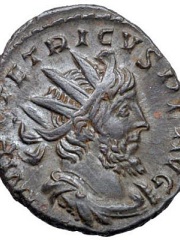
Tetricus I
250 - 274
HPI: 68.73
Rank: 3,513
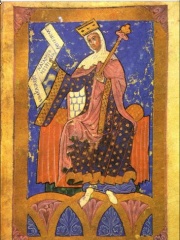
Urraca of León
1081 - 1126
HPI: 68.73
Rank: 3,514
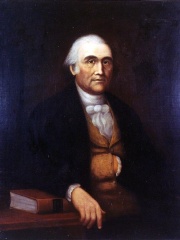
Robert Smith
1757 - 1842
HPI: 68.72
Rank: 3,515
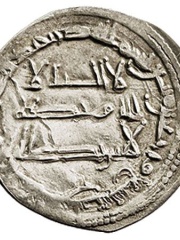
Muhammad I of Córdoba
823 - 886
HPI: 68.72
Rank: 3,516
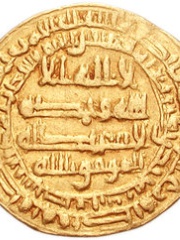
Al-Mu'tamid
844 - 892
HPI: 68.72
Rank: 3,517

Contemporaries
Among people born in 400 BC, Spitamenes ranks 13. Before him are Berossus, Nectanebo II, Theopompus, Atropates, Ephorus, and Leochares. After him are Agnodice, Teos of Egypt, Antipater II of Macedon, Drypetis, Hegesias of Cyrene, and Mithridates I of Pontus. Among people deceased in 328 BC, Spitamenes ranks 1. After him are Cleitus the Black, Mazaeus, and Erigyius.
Others Born in 400 BC
Go to all Rankings
Berossus
WRITER
400 BC - 300 BC
HPI: 70.12
Rank: 7
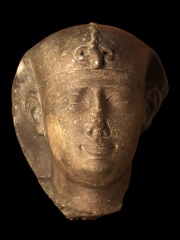
Nectanebo II
POLITICIAN
400 BC - 343 BC
HPI: 70.02
Rank: 8

Theopompus
HISTORIAN
400 BC - 320 BC
HPI: 69.44
Rank: 9
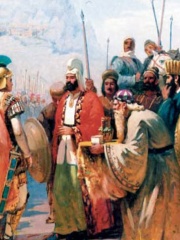
Atropates
POLITICIAN
400 BC - 360 BC
HPI: 69.37
Rank: 10

Ephorus
HISTORIAN
400 BC - 330 BC
HPI: 69.19
Rank: 11

Leochares
SCULPTOR
400 BC - 400 BC
HPI: 68.77
Rank: 12
Spitamenes
POLITICIAN
400 BC - 328 BC
HPI: 68.73
Rank: 13
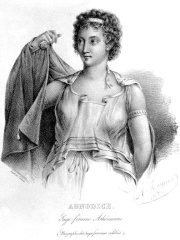
Agnodice
PHYSICIAN
400 BC - 360 BC
HPI: 68.41
Rank: 14
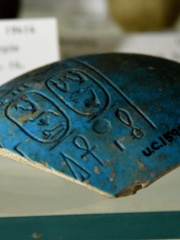
Teos of Egypt
POLITICIAN
400 BC - 400 BC
HPI: 67.41
Rank: 15

Antipater II of Macedon
POLITICIAN
400 BC - 287 BC
HPI: 67.18
Rank: 16
Drypetis
POLITICIAN
400 BC - 323 BC
HPI: 67.15
Rank: 17

Hegesias of Cyrene
PHILOSOPHER
400 BC - 300 BC
HPI: 67.07
Rank: 18

Mithridates I of Pontus
POLITICIAN
400 BC - 266 BC
HPI: 66.96
Rank: 19
Others Deceased in 328 BC
Go to all RankingsSpitamenes
POLITICIAN
400 BC - 328 BC
HPI: 68.73
Rank: 1
Cleitus the Black
POLITICIAN
370 BC - 328 BC
HPI: 68.16
Rank: 2
Mazaeus
POLITICIAN
385 BC - 328 BC
HPI: 62.69
Rank: 3

Erigyius
MILITARY PERSONNEL
400 BC - 328 BC
HPI: 58.23
Rank: 4
In Tajikistan
Among people born in Tajikistan, Spitamenes ranks 4 out of 35. Before him are Emomali Rahmon (1952), Rudaki (860), and Nasir Khusraw (1004). After him are Abu-Mahmud Khojandi (940), Oqil Oqilov (1944), Rahmon Nabiyev (1930), Khaydhar ibn Kawus al-Afshin (800), Kokhir Rasulzoda (1959), Qahhor Mahkamov (1932), Vladimir Voinovich (1932), and Nellie Kim (1957).
Others born in Tajikistan
Go to all Rankings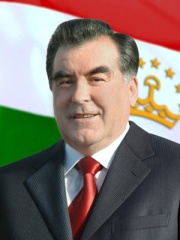
Emomali Rahmon
POLITICIAN
1952 - Present
HPI: 73.62
Rank: 1
Rudaki
WRITER
860 - 941
HPI: 72.17
Rank: 2
Nasir Khusraw
PHILOSOPHER
1004 - 1088
HPI: 69.26
Rank: 3
Spitamenes
POLITICIAN
400 BC - 328 BC
HPI: 68.73
Rank: 4

Abu-Mahmud Khojandi
ASTRONOMER
940 - 1000
HPI: 67.36
Rank: 5
Oqil Oqilov
POLITICIAN
1944 - Present
HPI: 65.39
Rank: 6
Rahmon Nabiyev
POLITICIAN
1930 - 1993
HPI: 65.07
Rank: 7
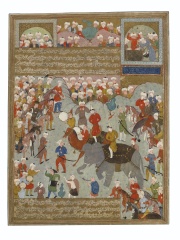
Khaydhar ibn Kawus al-Afshin
MILITARY PERSONNEL
800 - 841
HPI: 62.35
Rank: 8
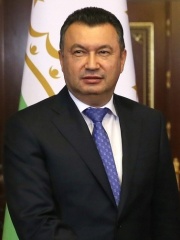
Kokhir Rasulzoda
POLITICIAN
1959 - Present
HPI: 62.32
Rank: 9
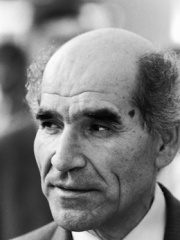
Qahhor Mahkamov
POLITICIAN
1932 - 2016
HPI: 62.24
Rank: 10
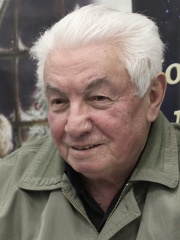
Vladimir Voinovich
WRITER
1932 - 2018
HPI: 61.01
Rank: 11
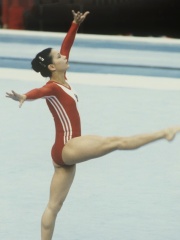
Nellie Kim
GYMNAST
1957 - Present
HPI: 60.94
Rank: 12
Among Politikuses In Tajikistan
Among politikuses born in Tajikistan, Spitamenes ranks 2. Before him are Emomali Rahmon (1952). After him are Oqil Oqilov (1944), Rahmon Nabiyev (1930), Kokhir Rasulzoda (1959), Qahhor Mahkamov (1932), Yuri Maslyukov (1937), Henri Weber (1944), and Rustam Emomali (1987).
Emomali Rahmon
1952 - Present
HPI: 73.62
Rank: 1
Spitamenes
400 BC - 328 BC
HPI: 68.73
Rank: 2
Oqil Oqilov
1944 - Present
HPI: 65.39
Rank: 3
Rahmon Nabiyev
1930 - 1993
HPI: 65.07
Rank: 4
Kokhir Rasulzoda
1959 - Present
HPI: 62.32
Rank: 5
Qahhor Mahkamov
1932 - 2016
HPI: 62.24
Rank: 6
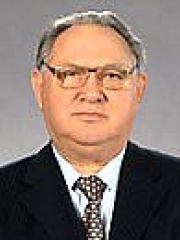
Yuri Maslyukov
1937 - 2010
HPI: 54.37
Rank: 7
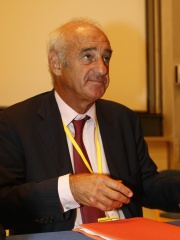
Henri Weber
1944 - 2020
HPI: 52.48
Rank: 8
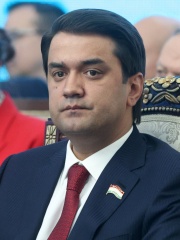
Rustam Emomali
1987 - Present
HPI: 42.23
Rank: 9