Író
Per Petterson
1952 - napjainkig
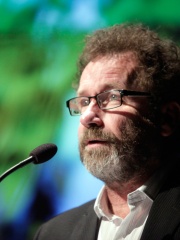
 Per Petterson
Per Petterson (Oslo, 1952. július 18. –) norvég regényíró. Debütáló könyve az Aske i munnen, sand i skoa (1987), novellagyűjtemény volt. Bővebben a Wikipédián
His biography is available in 34 different languages on Wikipedia (up from 32 in 2024). Per Petterson is the 2,851st most popular író (down from 2,397th in 2024), the 187th most popular biography from Norway (down from 142nd in 2019) and the 32nd most popular Norwegian ÍRó.
Memorability Metrics
Page views of Per Petterson by language
Among Író
Among író, Per Petterson ranks 2,851 out of 7,302. Before him are Kader Abdolah, Uladzimir Karatkievich, Roy Medvedev, Massimo Bontempelli, Benjamin Fondane, and Ramón Gómez de la Serna. After him are Theodore Prodromos, Adam Michnik, Francis de Laporte de Castelnau, Servius Sulpicius Rufus, Samson Raphael Hirsch, and Unsuri.
Most Popular ÍRó in Wikipedia
Go to all Rankings
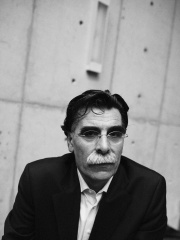
Kader Abdolah
1954 - Present
HPI: 60.74
Rank: 2,845
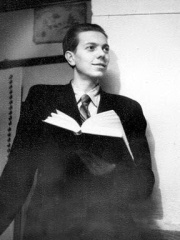
Uladzimir Karatkievich
1930 - 1984
HPI: 60.74
Rank: 2,846
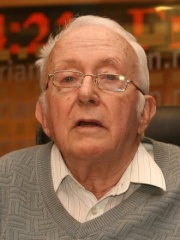
Roy Medvedev
1925 - Present
HPI: 60.74
Rank: 2,847
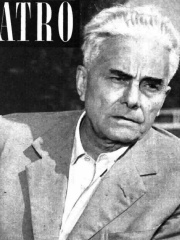
Massimo Bontempelli
1878 - 1960
HPI: 60.74
Rank: 2,848
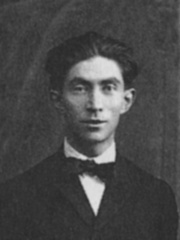
Benjamin Fondane
1898 - 1944
HPI: 60.74
Rank: 2,849
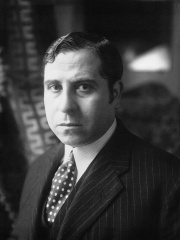
Ramón Gómez de la Serna
1888 - 1963
HPI: 60.74
Rank: 2,850
Per Petterson
1952 - Present
HPI: 60.74
Rank: 2,851

Theodore Prodromos
1115 - 1160
HPI: 60.73
Rank: 2,852
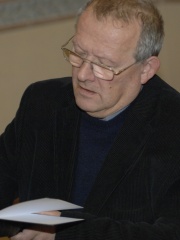
Adam Michnik
1946 - Present
HPI: 60.73
Rank: 2,853
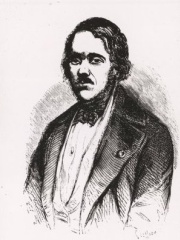
Francis de Laporte de Castelnau
1810 - 1880
HPI: 60.73
Rank: 2,854

Servius Sulpicius Rufus
100 BC - 43 BC
HPI: 60.73
Rank: 2,855
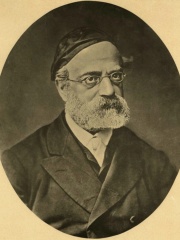
Samson Raphael Hirsch
1808 - 1888
HPI: 60.73
Rank: 2,856

Unsuri
980 - 1039
HPI: 60.72
Rank: 2,857

Contemporaries
Among people born in 1952, Per Petterson ranks 199. Before him are Robert C. Martin, Javier Urruticoechea, Stewart Copeland, Essam Sharaf, Jeff Fahey, and Marilyn Chambers. After him are Morgan Tsvangirai, Cécile La Grenade, Rishi Kapoor, Rosemarie Ackermann, Vasco Rossi, and Simon MacCorkindale.
Others Born in 1952
Go to all Rankings
Robert C. Martin
COMPUTER SCIENTIST
1952 - Present
HPI: 60.88
Rank: 193

Javier Urruticoechea
SOCCER PLAYER
1952 - 2001
HPI: 60.87
Rank: 194
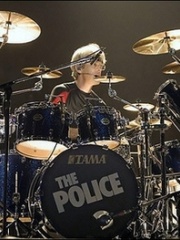
Stewart Copeland
MUSICIAN
1952 - Present
HPI: 60.86
Rank: 195
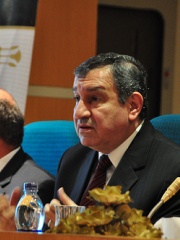
Essam Sharaf
ENGINEER
1952 - Present
HPI: 60.81
Rank: 196
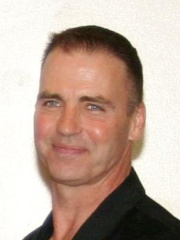
Jeff Fahey
ACTOR
1952 - Present
HPI: 60.76
Rank: 197
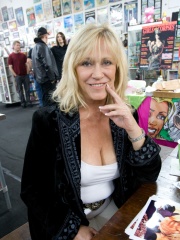
Marilyn Chambers
ACTOR
1952 - 2009
HPI: 60.74
Rank: 198
Per Petterson
WRITER
1952 - Present
HPI: 60.74
Rank: 199
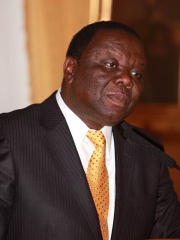
Morgan Tsvangirai
POLITICIAN
1952 - 2018
HPI: 60.71
Rank: 200
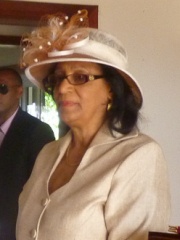
Cécile La Grenade
POLITICIAN
1952 - Present
HPI: 60.66
Rank: 201
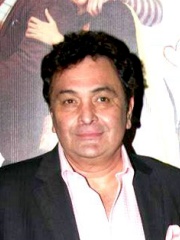
Rishi Kapoor
ACTOR
1952 - 2020
HPI: 60.61
Rank: 202
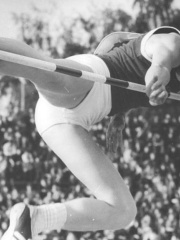
Rosemarie Ackermann
ATHLETE
1952 - Present
HPI: 60.55
Rank: 203
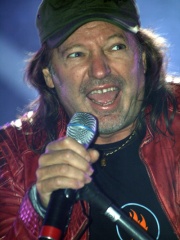
Vasco Rossi
MUSICIAN
1952 - Present
HPI: 60.54
Rank: 204
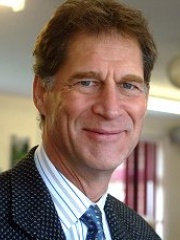
Simon MacCorkindale
ACTOR
1952 - 2010
HPI: 60.54
Rank: 205
In Norway
Among people born in Norway, Per Petterson ranks 187 out of 1,039. Before him are Kristofer Hivju (1978), Thekla Resvoll (1871), Oscar Wisting (1871), Amalie Skram (1846), Henrik Steffens (1773), and Sigurd Slembe (1100). After him are Berit Mørdre (1940), Arnfinn Bergmann (1928), Magnar Solberg (1937), Knud Knudsen (1812), Hjalmar Johansen (1867), and Jørgen Juve (1906).
Others born in Norway
Go to all Rankings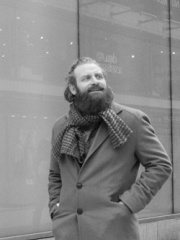
Kristofer Hivju
ACTOR
1978 - Present
HPI: 61.20
Rank: 181
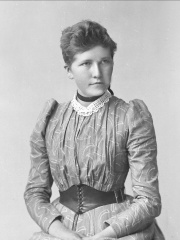
Thekla Resvoll
EXPLORER
1871 - 1948
HPI: 61.06
Rank: 182
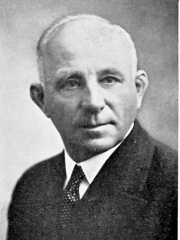
Oscar Wisting
EXPLORER
1871 - 1936
HPI: 61.04
Rank: 183
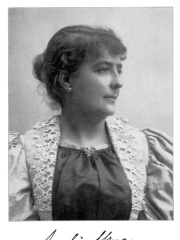
Amalie Skram
WRITER
1846 - 1905
HPI: 61.03
Rank: 184
Henrik Steffens
BIOLOGIST
1773 - 1845
HPI: 60.87
Rank: 185
Sigurd Slembe
POLITICIAN
1100 - 1139
HPI: 60.80
Rank: 186
Per Petterson
WRITER
1952 - Present
HPI: 60.74
Rank: 187
Berit Mørdre
ATHLETE
1940 - Present
HPI: 60.69
Rank: 188
Arnfinn Bergmann
SOCCER PLAYER
1928 - 2011
HPI: 60.66
Rank: 189
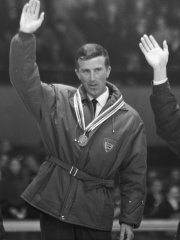
Magnar Solberg
ATHLETE
1937 - Present
HPI: 60.55
Rank: 190
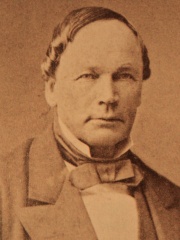
Knud Knudsen
WRITER
1812 - 1895
HPI: 60.51
Rank: 191
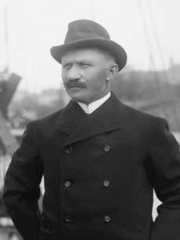
Hjalmar Johansen
EXPLORER
1867 - 1913
HPI: 60.50
Rank: 192
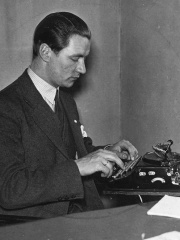
Jørgen Juve
SOCCER PLAYER
1906 - 1983
HPI: 60.37
Rank: 193
Among Író In Norway
Among író born in Norway, Per Petterson ranks 32. Before him are Karin Fossum (1954), Margit Sandemo (1924), Kjell Askildsen (1929), Dorothe Engelbretsdatter (1634), Dagny Juel (1867), and Amalie Skram (1846). After him are Knud Knudsen (1812), Hans Aanrud (1863), Aasmund Olavsson Vinje (1818), Þorbjörn Hornklofi (900), Sigurd Hoel (1890), and Johan Bojer (1872).

Karin Fossum
1954 - Present
HPI: 61.54
Rank: 26
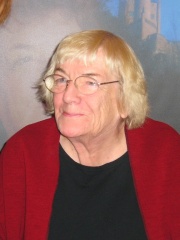
Margit Sandemo
1924 - 2018
HPI: 61.53
Rank: 27
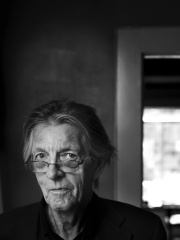
Kjell Askildsen
1929 - 2021
HPI: 61.25
Rank: 28

Dorothe Engelbretsdatter
1634 - 1716
HPI: 61.21
Rank: 29
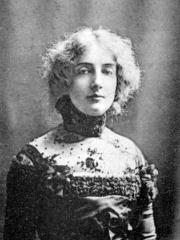
Dagny Juel
1867 - 1901
HPI: 61.20
Rank: 30
Amalie Skram
1846 - 1905
HPI: 61.03
Rank: 31
Per Petterson
1952 - Present
HPI: 60.74
Rank: 32
Knud Knudsen
1812 - 1895
HPI: 60.51
Rank: 33
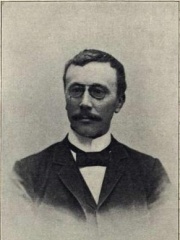
Hans Aanrud
1863 - 1953
HPI: 60.37
Rank: 34
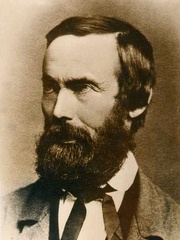
Aasmund Olavsson Vinje
1818 - 1870
HPI: 60.35
Rank: 35

Þorbjörn Hornklofi
900 - 1000
HPI: 60.27
Rank: 36
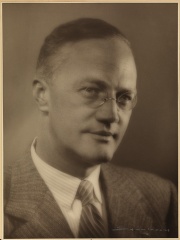
Sigurd Hoel
1890 - 1960
HPI: 60.23
Rank: 37
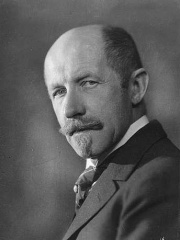
Johan Bojer
1872 - 1959
HPI: 60.10
Rank: 38