Író
Ildefonsus
607 - 667
HU.WIKIPEDIA PAGE VIEWS (PV)
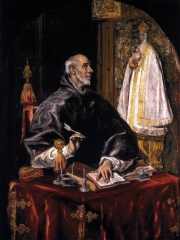
 Ildefonsus
Szent Ildefonz O.S.B. (latinul: Ildefonsus, spanyolul: San Ildefonso), (Toledo, 607 körül – Toledo, 667. január 23.) szentként tisztelt kora középkori hispániai érsek, egyházi író, Spanyolország egyik védőszentje. Bővebben a Wikipédián
Életrajza 27 különböző nyelven érhető el a Wikipédián (növekedés 26-ről 2024-ben). Ildefonsus a 1,649th legnépszerűbb író (csökkenés a 1,367th-ről 2024-ben), a 568th legnépszerűbb életrajz Spanyolország országából (csökkenés a 467th-ről 2019-ben) és a 54th legnépszerűbb Spanyolországból író.
Memorability Metrics
Page views of Ildefonsus by language
Among Író
Among író, Ildefonsus ranks 1,649 out of 7,302. Before him are Fran Krsto Frankopan, Petar Zrinski, John Gay, Hassan ibn Thabit, Consuelo de Saint-Exupéry, and Giuseppe Ungaretti. After him are Attila József, Maria Valtorta, Quintus Smyrnaeus, Malcolm Lowry, Andreas Gryphius, and Adèle Hugo.
Most Popular ÍRó in Wikipedia
Go to all Rankings

Fran Krsto Frankopan
1643 - 1671
HPI: 64.61
Rank: 1,643

Petar Zrinski
1621 - 1671
HPI: 64.61
Rank: 1,644
John Gay
1685 - 1732
HPI: 64.61
Rank: 1,645
Hassan ibn Thabit
554 - 674
HPI: 64.61
Rank: 1,646
Consuelo de Saint-Exupéry
1901 - 1979
HPI: 64.60
Rank: 1,647
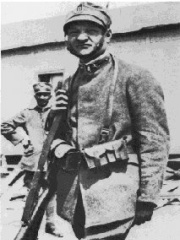
Giuseppe Ungaretti
1888 - 1970
HPI: 64.59
Rank: 1,648
Ildefonsus
607 - 667
HPI: 64.59
Rank: 1,649
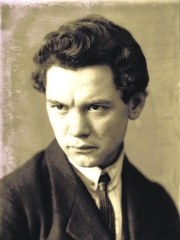
Attila József
1905 - 1937
HPI: 64.58
Rank: 1,650
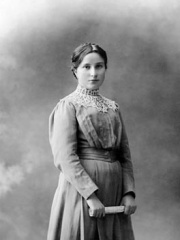
Maria Valtorta
1897 - 1961
HPI: 64.58
Rank: 1,651

Quintus Smyrnaeus
400 - 400
HPI: 64.58
Rank: 1,652
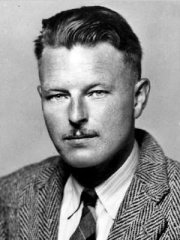
Malcolm Lowry
1909 - 1957
HPI: 64.57
Rank: 1,653
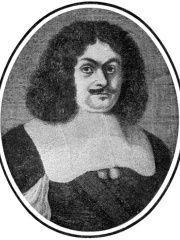
Andreas Gryphius
1616 - 1664
HPI: 64.57
Rank: 1,654
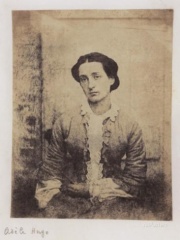
Adèle Hugo
1830 - 1915
HPI: 64.57
Rank: 1,655

Contemporaries
Among people born in 607, Ildefonsus ranks 2. Before him is Jabir ibn Abd Allah. After him are Saint Fiacre, and Gyebaek. Among people deceased in 667, Ildefonsus ranks 1.
Others Born in 607
Go to all Rankings
Jabir ibn Abd Allah
COMPANION
607 - 697
HPI: 66.91
Rank: 1
Ildefonsus
WRITER
607 - 667
HPI: 64.59
Rank: 2
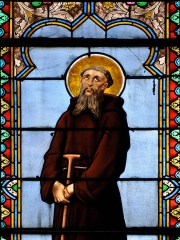
Saint Fiacre
RELIGIOUS FIGURE
607 - 668
HPI: 64.56
Rank: 3

Gyebaek
POLITICIAN
607 - 660
HPI: 62.87
Rank: 4
Others Deceased in 667
Go to all RankingsIn Spanyolország
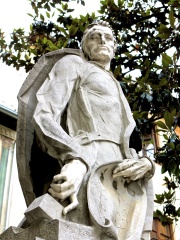
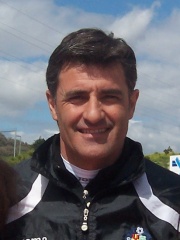
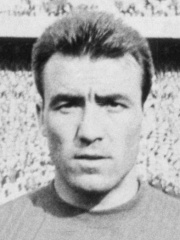
Among people born in Spanyolország, Ildefonsus ranks 568 out of NaN. Before him are García Ramírez of Navarre (1110), Theudigisel (500), Estanislau Basora (1926), Gaspar de Portolá (1716), Abraham Zacuto (1452), and Alonzo Cano (1601). After him are Míchel (1963), Josefa de Óbidos (1630), Luis del Sol (1935), Manuel Marín (1949), Chintila (606), and Antonio de Nebrija (1441).
Others born in Spanyolország
Go to all Rankings
García Ramírez of Navarre
POLITICIAN
1110 - 1150
HPI: 64.75
Rank: 562
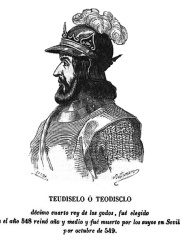
Theudigisel
POLITICIAN
500 - 549
HPI: 64.70
Rank: 563
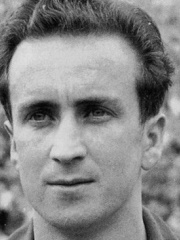
Estanislau Basora
SOCCER PLAYER
1926 - 2012
HPI: 64.68
Rank: 564
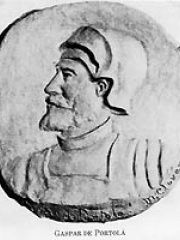
Gaspar de Portolá
EXPLORER
1716 - 1786
HPI: 64.68
Rank: 565
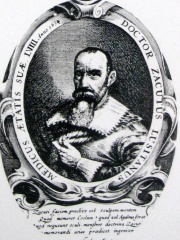
Abraham Zacuto
MATHEMATICIAN
1452 - 1515
HPI: 64.68
Rank: 566
Alonzo Cano
ARCHITECT
1601 - 1667
HPI: 64.67
Rank: 567
Ildefonsus
WRITER
607 - 667
HPI: 64.59
Rank: 568
Míchel
SOCCER PLAYER
1963 - Present
HPI: 64.58
Rank: 569
Josefa de Óbidos
PAINTER
1630 - 1684
HPI: 64.57
Rank: 570
Luis del Sol
SOCCER PLAYER
1935 - 2021
HPI: 64.52
Rank: 571
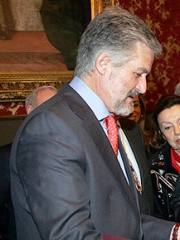
Manuel Marín
POLITICIAN
1949 - 2017
HPI: 64.50
Rank: 572
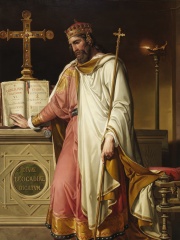
Chintila
POLITICIAN
606 - 639
HPI: 64.50
Rank: 573
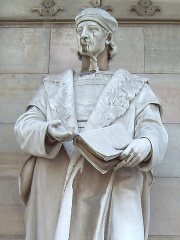
Antonio de Nebrija
WRITER
1441 - 1522
HPI: 64.49
Rank: 574
Among Író In Spanyolország
Among író born in Spanyolország, Ildefonsus ranks 54. Before him are Manuel Vázquez Montalbán (1939), Ibn al-Khatib (1313), Rafael Alberti (1902), Ausiàs March (1400), Sabino Arana (1865), and Joseph Karo (1488). After him are Antonio de Nebrija (1441), Ramón del Valle-Inclán (1866), Mateo Alemán (1547), Caterina Albert (1869), Josep Pla (1897), and Fernando Arrabal (1932).
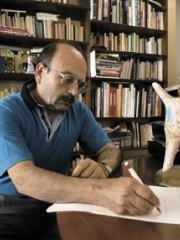
Manuel Vázquez Montalbán
1939 - 2003
HPI: 65.51
Rank: 48
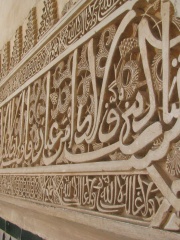
Ibn al-Khatib
1313 - 1374
HPI: 65.27
Rank: 49
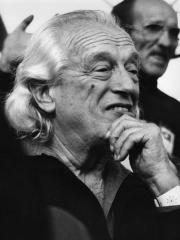
Rafael Alberti
1902 - 1999
HPI: 65.21
Rank: 50
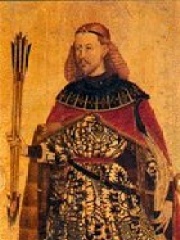
Ausiàs March
1400 - 1459
HPI: 65.12
Rank: 51
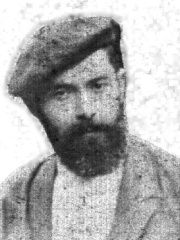
Sabino Arana
1865 - 1903
HPI: 65.04
Rank: 52
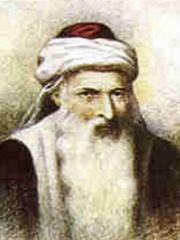
Joseph Karo
1488 - 1575
HPI: 64.96
Rank: 53
Ildefonsus
607 - 667
HPI: 64.59
Rank: 54
Antonio de Nebrija
1441 - 1522
HPI: 64.49
Rank: 55
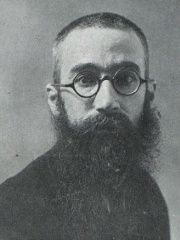
Ramón del Valle-Inclán
1866 - 1936
HPI: 64.39
Rank: 56
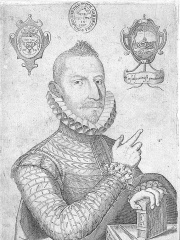
Mateo Alemán
1547 - 1613
HPI: 64.38
Rank: 57
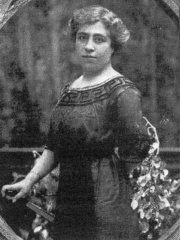
Caterina Albert
1869 - 1966
HPI: 64.25
Rank: 58
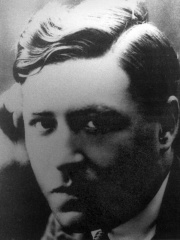
Josep Pla
1897 - 1981
HPI: 64.19
Rank: 59
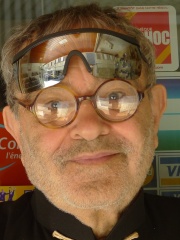
Fernando Arrabal
1932 - Present
HPI: 64.18
Rank: 60