Író
Cecco Angiolieri
1260 - 1312

 Cecco Angiolieri
Életrajza 15 különböző nyelven érhető el a Wikipédián. Cecco Angiolieri a 4,565th legnépszerűbb író (csökkenés a 4,046th-ről 2024-ben), a 3,503rd legnépszerűbb életrajz Olaszország országából (csökkenés a 3,240th-ről 2019-ben) és a 244th legnépszerűbb Olaszországból író.
Memorability Metrics
Page views of Cecco Angiolieri by language
Among Író
Among író, Cecco Angiolieri ranks 4,565 out of 7,302. Before him are Gordon Willis, Nísia Floresta, Enric Valor i Vives, Anita Loos, Ladislav Mňačko, and Sue Grafton. After him are Musa Anter, Hulda Garborg, Grace Aguilar, Jean-Richard Bloch, Tankred Dorst, and Bill Lawrence.
Most Popular ÍRó in Wikipedia
Go to all Rankings
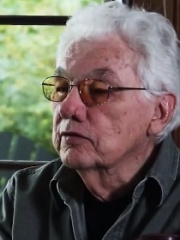
Gordon Willis
1931 - 2014
HPI: 56.68
Rank: 4,559
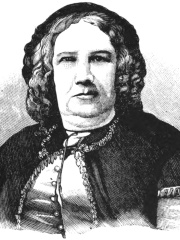
Nísia Floresta
1810 - 1885
HPI: 56.68
Rank: 4,560

Enric Valor i Vives
1911 - 2000
HPI: 56.68
Rank: 4,561
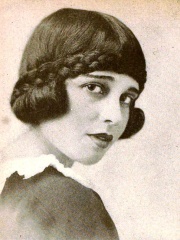
Anita Loos
1889 - 1981
HPI: 56.68
Rank: 4,562
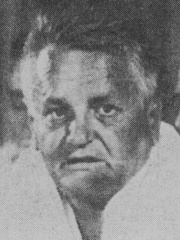
Ladislav Mňačko
1919 - 1994
HPI: 56.68
Rank: 4,563

Sue Grafton
1940 - 2017
HPI: 56.67
Rank: 4,564
Cecco Angiolieri
1260 - 1312
HPI: 56.66
Rank: 4,565

Musa Anter
1920 - 1992
HPI: 56.66
Rank: 4,566
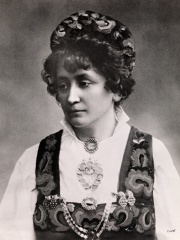
Hulda Garborg
1862 - 1934
HPI: 56.66
Rank: 4,567
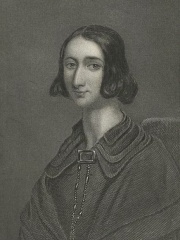
Grace Aguilar
1816 - 1847
HPI: 56.66
Rank: 4,568
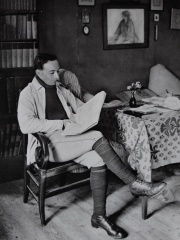
Jean-Richard Bloch
1884 - 1947
HPI: 56.66
Rank: 4,569
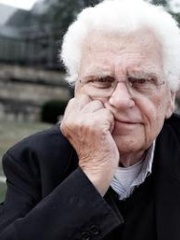
Tankred Dorst
1925 - 2017
HPI: 56.65
Rank: 4,570

Bill Lawrence
1968 - Present
HPI: 56.65
Rank: 4,571

Contemporaries
Among people born in 1260, Cecco Angiolieri ranks 19. Before him are Matthew III Csák, Hedwig of Holstein, Bartolomeo Gradenigo, John XIII of Constantinople, Theodoric IV, Landgrave of Lusatia, and Augustin Kažotić. Among people deceased in 1312, Cecco Angiolieri ranks 13. Before him are John II, Duke of Brabant, Arthur II, Duke of Brittany, Isabella of Villehardouin, Ibn Manzur, Theobald II, Duke of Lorraine, and Marino Zorzi.
Others Born in 1260
Go to all Rankings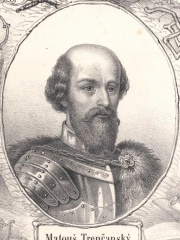
Matthew III Csák
RELIGIOUS FIGURE
1260 - 1321
HPI: 64.26
Rank: 13
Hedwig of Holstein
COMPANION
1260 - 1324
HPI: 59.68
Rank: 14

Bartolomeo Gradenigo
POLITICIAN
1260 - 1342
HPI: 59.17
Rank: 15

John XIII of Constantinople
RELIGIOUS FIGURE
1260 - Present
HPI: 58.56
Rank: 16
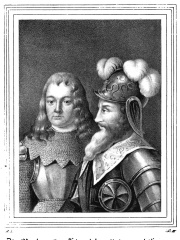
Theodoric IV, Landgrave of Lusatia
POLITICIAN
1260 - 1307
HPI: 58.46
Rank: 17
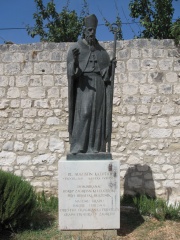
Augustin Kažotić
RELIGIOUS FIGURE
1260 - 1323
HPI: 56.91
Rank: 18
Cecco Angiolieri
WRITER
1260 - 1312
HPI: 56.66
Rank: 19
Others Deceased in 1312
Go to all Rankings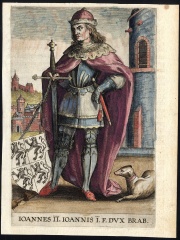
John II, Duke of Brabant
POLITICIAN
1275 - 1312
HPI: 63.28
Rank: 7
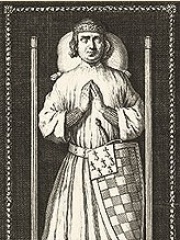
Arthur II, Duke of Brittany
POLITICIAN
1261 - 1312
HPI: 62.19
Rank: 8
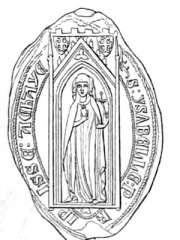
Isabella of Villehardouin
POLITICIAN
1263 - 1312
HPI: 62.13
Rank: 9

Ibn Manzur
WRITER
1233 - 1312
HPI: 60.90
Rank: 10
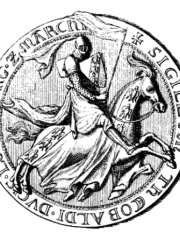
Theobald II, Duke of Lorraine
POLITICIAN
1263 - 1312
HPI: 59.11
Rank: 11
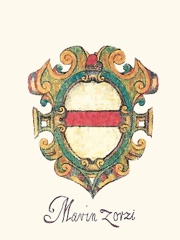
Marino Zorzi
POLITICIAN
1231 - 1312
HPI: 58.25
Rank: 12
Cecco Angiolieri
WRITER
1260 - 1312
HPI: 56.66
Rank: 13
In Olaszország
Among people born in Olaszország, Cecco Angiolieri ranks 3,504 out of NaN. Before him are Sergio Toppi (1932), Primo Nebiolo (1923), Claudia Muzio (1889), Franco Faggi (1926), Siegfried Stohr (1952), and Carlo Verdone (1950). After him are Aldo Serena (1960), Angelo Mai (1782), Angelo de Gubernatis (1840), Tommaso Salvadori (1835), Consalvo Sanesi (1911), and Massimo Pallottino (1909).
Others born in Olaszország
Go to all Rankings
Sergio Toppi
COMIC ARTIST
1932 - 2012
HPI: 56.68
Rank: 3,498
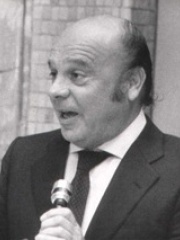
Primo Nebiolo
POLITICIAN
1923 - 1999
HPI: 56.68
Rank: 3,499
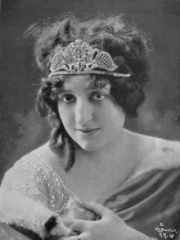
Claudia Muzio
SINGER
1889 - 1936
HPI: 56.67
Rank: 3,500

Franco Faggi
ATHLETE
1926 - 2016
HPI: 56.67
Rank: 3,501
Siegfried Stohr
RACING DRIVER
1952 - Present
HPI: 56.67
Rank: 3,502

Carlo Verdone
ACTOR
1950 - Present
HPI: 56.66
Rank: 3,503
Cecco Angiolieri
WRITER
1260 - 1312
HPI: 56.66
Rank: 3,504
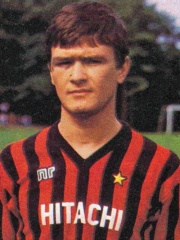
Aldo Serena
SOCCER PLAYER
1960 - Present
HPI: 56.66
Rank: 3,505
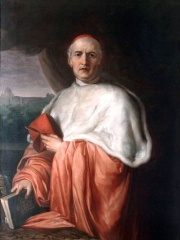
Angelo Mai
RELIGIOUS FIGURE
1782 - 1854
HPI: 56.65
Rank: 3,506
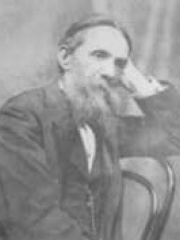
Angelo de Gubernatis
WRITER
1840 - 1913
HPI: 56.64
Rank: 3,507
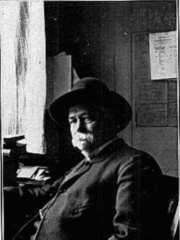
Tommaso Salvadori
BIOLOGIST
1835 - 1923
HPI: 56.62
Rank: 3,508
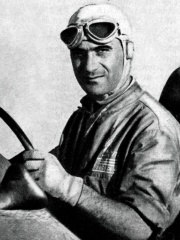
Consalvo Sanesi
RACING DRIVER
1911 - 1998
HPI: 56.62
Rank: 3,509
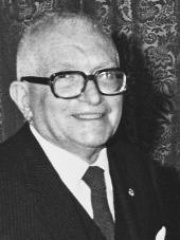
Massimo Pallottino
ARCHAEOLOGIST
1909 - 1995
HPI: 56.62
Rank: 3,510
Among Író In Olaszország
Among író born in Olaszország, Cecco Angiolieri ranks 244. Before him are Mario Rigoni Stern (1921), Ippolito Nievo (1831), Marco Girolamo Vida (1485), Tullio Pinelli (1908), William of Apulia (1100), and Rafael Sánchez Ferlosio (1927). After him are Angelo de Gubernatis (1840), Vincenzo Monti (1754), Vittoria Aganoor (1855), Vittorio Messori (1941), Aleardo Aleardi (1812), and Stefano Benni (1947).
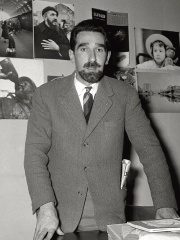
Mario Rigoni Stern
1921 - 2008
HPI: 56.99
Rank: 238

Ippolito Nievo
1831 - 1861
HPI: 56.96
Rank: 239
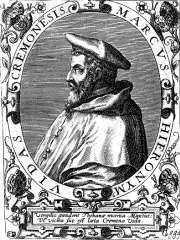
Marco Girolamo Vida
1485 - 1566
HPI: 56.87
Rank: 240
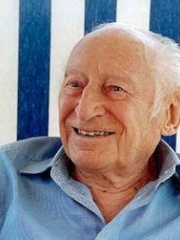
Tullio Pinelli
1908 - 2009
HPI: 56.83
Rank: 241

William of Apulia
1100 - 1200
HPI: 56.81
Rank: 242
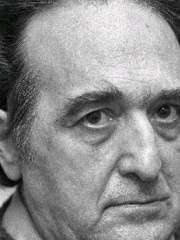
Rafael Sánchez Ferlosio
1927 - 2019
HPI: 56.79
Rank: 243
Cecco Angiolieri
1260 - 1312
HPI: 56.66
Rank: 244
Angelo de Gubernatis
1840 - 1913
HPI: 56.64
Rank: 245
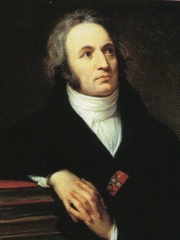
Vincenzo Monti
1754 - 1828
HPI: 56.62
Rank: 246
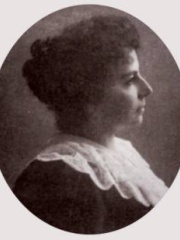
Vittoria Aganoor
1855 - 1910
HPI: 56.54
Rank: 247
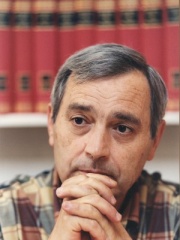
Vittorio Messori
1941 - Present
HPI: 56.53
Rank: 248
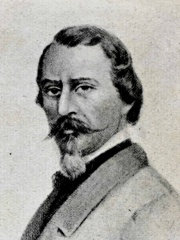
Aleardo Aleardi
1812 - 1878
HPI: 56.34
Rank: 249
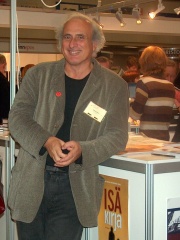
Stefano Benni
1947 - 2025
HPI: 56.21
Rank: 250