Politikus
Attila (egyértelműsítő lap)
406 - 453
HU.WIKIPEDIA PAGE VIEWS (PV)
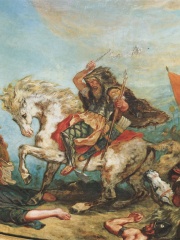
 Attila (egyértelműsítő lap)
Életrajza 105 különböző nyelven érhető el a Wikipédián (növekedés 104-ről 2024-ben). Attila (egyértelműsítő lap) a 66th legnépszerűbb politikus (csökkenés a 31st-ről 2024-ben), a 3rd legnépszerűbb életrajz Grúzia országából (csökkenés a 2nd-ről 2019-ben) és a 3rd legnépszerűbb Grúziaból politikus.
Memorability Metrics
Page views of Attila (egyértelműsítő lap) by language
Among Politikuses
Among politikuses, Attila (egyértelműsítő lap) ranks 66 out of 19,576. Before him are James II of England, Pompey, Darius the Great, Mikhail Gorbachev, Kim Jong-il, and Charles V, Holy Roman Emperor. After him are Maria Theresa, Osman I, Marcus Aurelius, Maximilien Robespierre, Mansa Musa, and Hafez al-Assad.
Most Popular Politikuses in Wikipedia
Go to all Rankings
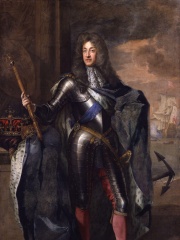
James II of England
1633 - 1701
HPI: 87.79
Rank: 60
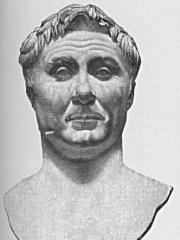
Pompey
106 BC - 48 BC
HPI: 87.68
Rank: 61
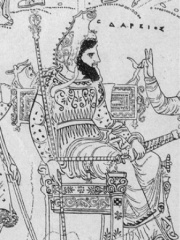
Darius the Great
550 BC - 486 BC
HPI: 87.66
Rank: 62
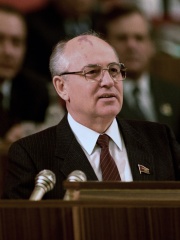
Mikhail Gorbachev
1931 - 2022
HPI: 87.63
Rank: 63
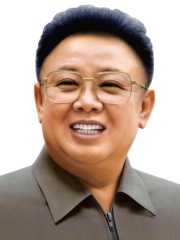
Kim Jong-il
1941 - 2011
HPI: 87.59
Rank: 64
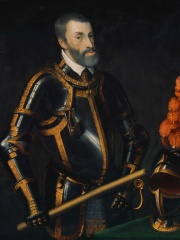
Charles V, Holy Roman Emperor
1500 - 1558
HPI: 87.50
Rank: 65
Attila
406 - 453
HPI: 87.44
Rank: 66
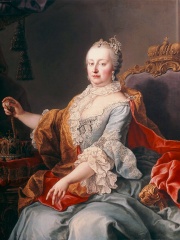
Maria Theresa
1717 - 1780
HPI: 87.44
Rank: 67
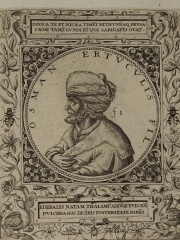
Osman I
1254 - 1327
HPI: 87.41
Rank: 68
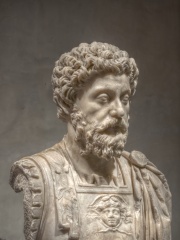
Marcus Aurelius
121 - 180
HPI: 87.41
Rank: 69
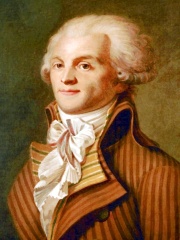
Maximilien Robespierre
1758 - 1794
HPI: 87.37
Rank: 70
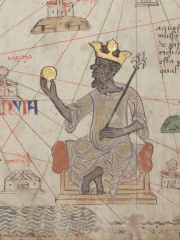
Mansa Musa
1280 - 1337
HPI: 87.24
Rank: 71
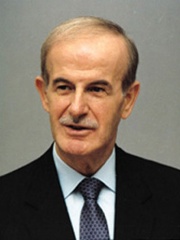
Hafez al-Assad
1930 - 2000
HPI: 87.19
Rank: 72

Contemporaries
Among people born in 406, Attila (egyértelműsítő lap) ranks 1. After him is Bahram V. Among people deceased in 453, Attila (egyértelműsítő lap) ranks 1. After him are Pulcheria, Thorismund, Emperor Ingyō, and Emperor Wen of Liu Song.
Others Born in 406
Go to all Rankings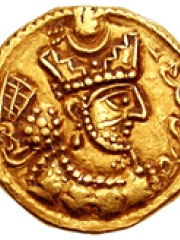
Others Deceased in 453
Go to all RankingsAttila
POLITICIAN
406 - 453
HPI: 87.44
Rank: 1
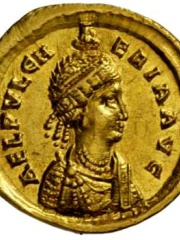
Pulcheria
COMPANION
399 - 453
HPI: 73.65
Rank: 2
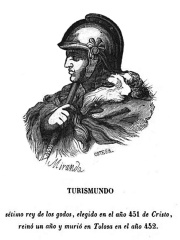
Thorismund
POLITICIAN
420 - 453
HPI: 69.87
Rank: 3
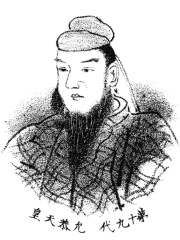
Emperor Ingyō
POLITICIAN
376 - 453
HPI: 67.05
Rank: 4
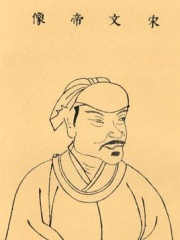
Emperor Wen of Liu Song
POLITICIAN
407 - 453
HPI: 62.58
Rank: 5
In Grúzia
Among people born in Grúzia, Attila (egyértelműsítő lap) ranks 3 out of NaN. Before him are Joseph Stalin (1879), and Darius the Great (-550). After him are Aram Khachaturian (1903), Eduard Shevardnadze (1928), Shota Rustaveli (1172), Tamar of Georgia (1166), Vladimir Mayakovsky (1893), Tigran Petrosian (1929), Zviad Gamsakhurdia (1939), Yakov Dzhugashvili (1907), and Sergei Parajanov (1924).
Others born in Grúzia
Go to all Rankings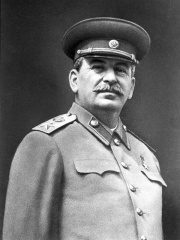
Joseph Stalin
POLITICIAN
1879 - 1953
HPI: 92.22
Rank: 1
Darius the Great
POLITICIAN
550 BC - 486 BC
HPI: 87.66
Rank: 2
Attila
POLITICIAN
406 - 453
HPI: 87.44
Rank: 3
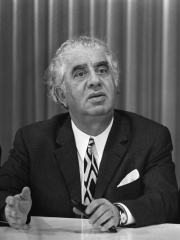
Aram Khachaturian
COMPOSER
1903 - 1978
HPI: 79.24
Rank: 4
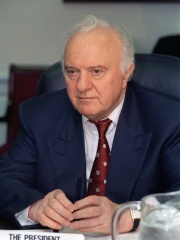
Eduard Shevardnadze
POLITICIAN
1928 - 2014
HPI: 79.00
Rank: 5
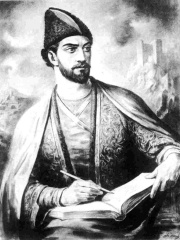
Shota Rustaveli
WRITER
1172 - 1216
HPI: 77.21
Rank: 6
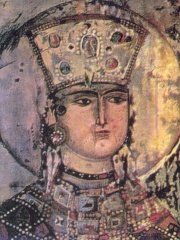
Tamar of Georgia
POLITICIAN
1166 - 1213
HPI: 76.80
Rank: 7
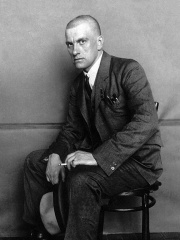
Vladimir Mayakovsky
WRITER
1893 - 1930
HPI: 76.22
Rank: 8
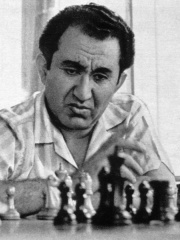
Tigran Petrosian
CHESS PLAYER
1929 - 1984
HPI: 74.52
Rank: 9
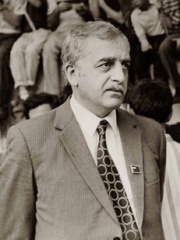
Zviad Gamsakhurdia
POLITICIAN
1939 - 1993
HPI: 73.86
Rank: 10
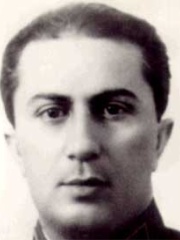
Yakov Dzhugashvili
MILITARY PERSONNEL
1907 - 1943
HPI: 73.68
Rank: 11
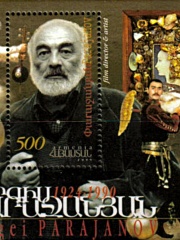
Sergei Parajanov
FILM DIRECTOR
1924 - 1990
HPI: 72.77
Rank: 12
Among Politikuses In Grúzia
Among politikuses born in Grúzia, Attila (egyértelműsítő lap) ranks 3. Before him are Joseph Stalin (1879), and Darius the Great (-550). After him are Eduard Shevardnadze (1928), Tamar of Georgia (1166), Zviad Gamsakhurdia (1939), Kato Svanidze (1885), Mikheil Saakashvili (1967), Rusudan of Georgia (1194), David IV of Georgia (1073), Sergei Witte (1849), and Sergo Ordzhonikidze (1886).
Joseph Stalin
1879 - 1953
HPI: 92.22
Rank: 1
Darius the Great
550 BC - 486 BC
HPI: 87.66
Rank: 2
Attila
406 - 453
HPI: 87.44
Rank: 3
Eduard Shevardnadze
1928 - 2014
HPI: 79.00
Rank: 4
Tamar of Georgia
1166 - 1213
HPI: 76.80
Rank: 5
Zviad Gamsakhurdia
1939 - 1993
HPI: 73.86
Rank: 6
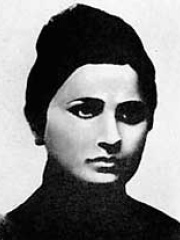
Kato Svanidze
1885 - 1907
HPI: 71.78
Rank: 7

Mikheil Saakashvili
1967 - Present
HPI: 71.33
Rank: 8
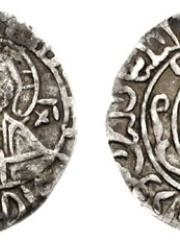
Rusudan of Georgia
1194 - 1245
HPI: 70.46
Rank: 9
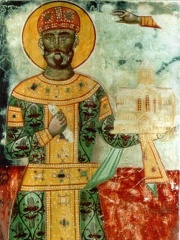
David IV of Georgia
1073 - 1125
HPI: 70.36
Rank: 10
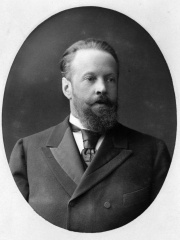
Sergei Witte
1849 - 1915
HPI: 69.97
Rank: 11
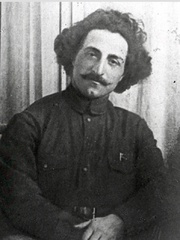
Sergo Ordzhonikidze
1886 - 1937
HPI: 69.76
Rank: 12