Festő
Antiphilus
400 BC - 360 BC
HU.WIKIPEDIA PAGE VIEWS (PV)

 Antiphilus
Antiphilosz (Kr. e. 4. század) görög festő. Bővebben a Wikipédián
Életrajza 16 különböző nyelven érhető el a Wikipédián (növekedés 15-ről 2024-ben). Antiphilus a 1,185th legnépszerűbb festő (csökkenés a 1,089th-ről 2024-ben), a 397th legnépszerűbb életrajz Egyiptom országából (csökkenés a 378th-ről 2019-ben) és a legnépszerűbb Egyiptomból festő.
Memorability Metrics
Page views of Antiphilus by language
Among Festő
Among festő, Antiphilus ranks 1,185 out of 2,023. Before him are Mariam Aslamazian, Antoine Coypel, Michiel Sweerts, Marcel Broodthaers, Tawaraya Sōtatsu, and Ambrosius Holbein. After him are Jan Rustem, Douris, Robert Peake the Elder, Paja Jovanović, Jean-Jules-Antoine Lecomte du Nouÿ, and Eugen Dücker.
Most Popular Festő in Wikipedia
Go to all Rankings
Mariam Aslamazian
1907 - 2006
HPI: 60.17
Rank: 1,179
Antoine Coypel
1661 - 1722
HPI: 60.16
Rank: 1,180
Michiel Sweerts
1618 - 1664
HPI: 60.12
Rank: 1,181

Marcel Broodthaers
1924 - 1976
HPI: 60.10
Rank: 1,182

Tawaraya Sōtatsu
1570 - 1643
HPI: 60.10
Rank: 1,183
Ambrosius Holbein
1494 - 1519
HPI: 60.10
Rank: 1,184
Antiphilus
400 BC - 360 BC
HPI: 60.10
Rank: 1,185
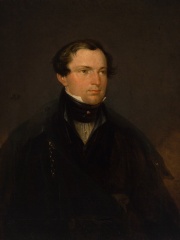
Jan Rustem
1762 - 1835
HPI: 60.09
Rank: 1,186
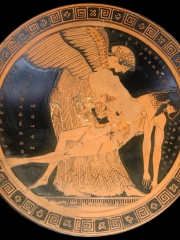
Douris
600 BC - 500 BC
HPI: 60.09
Rank: 1,187

Robert Peake the Elder
1551 - 1619
HPI: 60.08
Rank: 1,188
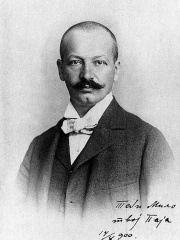
Paja Jovanović
1859 - 1957
HPI: 60.08
Rank: 1,189
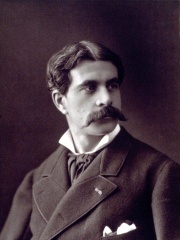
Jean-Jules-Antoine Lecomte du Nouÿ
1842 - 1923
HPI: 60.07
Rank: 1,190
Eugen Dücker
1841 - 1916
HPI: 60.07
Rank: 1,191

Contemporaries
Among people born in 400 BC, Antiphilus ranks 80. Before him are Philitas of Cos, Nausiphanes, Agathocles, Lanassa, Aeneas Tacticus, and Quintus Hortensius. After him are Lagus, Leontion, Phila, Orestes of Macedon, Laomedon of Mytilene, and Cineas. Among people deceased in 360 BC, Antiphilus ranks 18. Before him are Palaephatus, Timotheus of Miletus, Lais of Hyccara, Bryaxis, Philitas of Cos, and Quintus Hortensius. After him are Leontion, Laomedon of Mytilene, Phaenias of Eresus, Taxiles, Anniceris, and Marsyas of Pella.
Others Born in 400 BC
Go to all Rankings
Philitas of Cos
WRITER
400 BC - 360 BC
HPI: 60.47
Rank: 74

Nausiphanes
PHILOSOPHER
400 BC - 400 BC
HPI: 60.41
Rank: 75

Agathocles
POLITICIAN
400 BC - 283 BC
HPI: 60.40
Rank: 76
Lanassa
COMPANION
400 BC - 300 BC
HPI: 60.34
Rank: 77

Aeneas Tacticus
WRITER
400 BC - 400 BC
HPI: 60.25
Rank: 78

Quintus Hortensius
POLITICIAN
400 BC - 360 BC
HPI: 60.22
Rank: 79
Antiphilus
PAINTER
400 BC - 360 BC
HPI: 60.10
Rank: 80

Lagus
POLITICIAN
400 BC - 400 BC
HPI: 60.09
Rank: 81
Leontion
PHILOSOPHER
400 BC - 360 BC
HPI: 60.07
Rank: 82
Phila
POLITICIAN
400 BC - 287 BC
HPI: 60.00
Rank: 83

Orestes of Macedon
POLITICIAN
400 BC - 396 BC
HPI: 59.87
Rank: 84
Laomedon of Mytilene
MILITARY PERSONNEL
400 BC - 360 BC
HPI: 59.81
Rank: 85
Cineas
PHILOSOPHER
400 BC - 300 BC
HPI: 59.80
Rank: 86
Others Deceased in 360 BC
Go to all Rankings
Palaephatus
WRITER
400 BC - 360 BC
HPI: 61.46
Rank: 12

Timotheus of Miletus
WRITER
450 BC - 360 BC
HPI: 61.45
Rank: 13
Lais of Hyccara
POLITICIAN
400 BC - 360 BC
HPI: 61.38
Rank: 14

Bryaxis
SCULPTOR
400 BC - 360 BC
HPI: 61.30
Rank: 15
Philitas of Cos
WRITER
400 BC - 360 BC
HPI: 60.47
Rank: 16
Quintus Hortensius
POLITICIAN
400 BC - 360 BC
HPI: 60.22
Rank: 17
Antiphilus
PAINTER
400 BC - 360 BC
HPI: 60.10
Rank: 18
Leontion
PHILOSOPHER
400 BC - 360 BC
HPI: 60.07
Rank: 19
Laomedon of Mytilene
MILITARY PERSONNEL
400 BC - 360 BC
HPI: 59.81
Rank: 20

Phaenias of Eresus
PHILOSOPHER
400 BC - 360 BC
HPI: 59.39
Rank: 21
Taxiles
POLITICIAN
400 BC - 360 BC
HPI: 59.17
Rank: 22

Anniceris
PHILOSOPHER
400 BC - 360 BC
HPI: 58.89
Rank: 23

Marsyas of Pella
HISTORIAN
400 BC - 360 BC
HPI: 58.87
Rank: 24
In Egyiptom
Among people born in Egyiptom, Antiphilus ranks 397 out of NaN. Before him are Hypsicles (-190), Sayed Darwish (1892), Al-Zafir (1133), Kamal Ganzouri (1933), Domitius Domitianus (300), and Henuttaneb (-1350). After him are Nabil Elaraby (1935), Gohar Gasparyan (1924), An-Nasir Hasan (1334), Ibrahim Mahlab (1949), Malak Hifni Nasif (1886), and Pishoy (320).
Others born in Egyiptom
Go to all Rankings
Hypsicles
MATHEMATICIAN
190 BC - 120 BC
HPI: 60.26
Rank: 391
Sayed Darwish
SINGER
1892 - 1923
HPI: 60.19
Rank: 392

Al-Zafir
POLITICIAN
1133 - 1154
HPI: 60.19
Rank: 393

Kamal Ganzouri
POLITICIAN
1933 - 2021
HPI: 60.17
Rank: 394
Domitius Domitianus
POLITICIAN
300 - 297
HPI: 60.15
Rank: 395
Henuttaneb
POLITICIAN
1350 BC - Present
HPI: 60.13
Rank: 396
Antiphilus
PAINTER
400 BC - 360 BC
HPI: 60.10
Rank: 397
Nabil Elaraby
POLITICIAN
1935 - 2024
HPI: 60.08
Rank: 398
Gohar Gasparyan
SINGER
1924 - 2007
HPI: 60.05
Rank: 399
An-Nasir Hasan
POLITICIAN
1334 - 1361
HPI: 60.03
Rank: 400
Ibrahim Mahlab
POLITICIAN
1949 - Present
HPI: 60.01
Rank: 401
Malak Hifni Nasif
WRITER
1886 - 1918
HPI: 59.96
Rank: 402
Pishoy
RELIGIOUS FIGURE
320 - 417
HPI: 59.93
Rank: 403
Among Festő In Egyiptom
Among festő born in Egyiptom, Antiphilus ranks 1. After him are Inji Aflatoun (1924), Amasis Painter (-550), Ghada Amer (1963), and Fathi Hassan (1957).
Antiphilus
400 BC - 360 BC
HPI: 60.10
Rank: 1

Inji Aflatoun
1924 - 1989
HPI: 58.62
Rank: 2
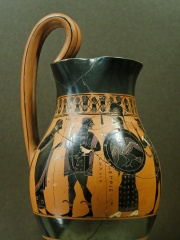
Amasis Painter
550 BC - 510 BC
HPI: 58.48
Rank: 3

Ghada Amer
1963 - Present
HPI: 50.14
Rank: 4

Fathi Hassan
1957 - Present
HPI: 48.56
Rank: 5