Historien
Theopompus
400 BC - 320 BC
FR.WIKIPEDIA PAGE VIEWS (PV)

 Theopompus
Théopompe (en grec ancien Θεόπομπος / Theópompos), né à Chios en 403 av. J.-C. ou en 378 av. J.-C. est un historien, homme politique et orateur grec . Il est mort vers 320 av. En savoir plus sur Wikipédia
Sa biographie est disponible en 36 langues sur Wikipédia. Theopompus est le 69th historien le plus populaire (en baisse du 65th en 2024), la 207th biographie la plus populaire de Grèce (en baisse du 191st en 2019), ainsi que le 6th historien de Grèce le plus populaire.
Memorability Metrics
Page views of Theopompus by language
Among Historiens
Among historiens, Theopompus ranks 69 out of 561. Before him are Tzvetan Todorov, Jared Diamond, Libanius, Movses Khorenatsi, Callisthenes, and Benzion Netanyahu. After him are Bernard Lewis, Theophylact Simocatta, Geoffrey of Villehardouin, Ephorus, Johann Jakob Bachofen, and Henri Pirenne.
Most Popular Historiens in Wikipedia
Go to all Rankings

Tzvetan Todorov
1939 - 2017
HPI: 70.42
Rank: 63
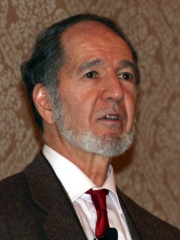
Jared Diamond
1937 - Present
HPI: 70.39
Rank: 64
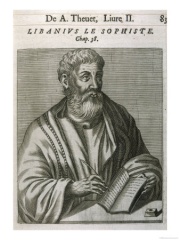
Libanius
314 - 393
HPI: 69.87
Rank: 65
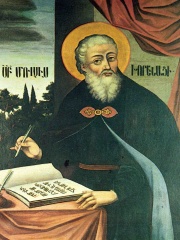
Movses Khorenatsi
410 - 490
HPI: 69.73
Rank: 66

Callisthenes
360 BC - 327 BC
HPI: 69.54
Rank: 67

Benzion Netanyahu
1910 - 2012
HPI: 69.50
Rank: 68
Theopompus
400 BC - 320 BC
HPI: 69.44
Rank: 69
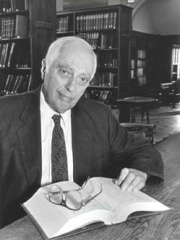
Bernard Lewis
1916 - 2018
HPI: 69.41
Rank: 70

Theophylact Simocatta
580 - 630
HPI: 69.32
Rank: 71
Geoffrey of Villehardouin
1150 - 1210
HPI: 69.24
Rank: 72

Ephorus
400 BC - 330 BC
HPI: 69.19
Rank: 73
Johann Jakob Bachofen
1815 - 1887
HPI: 69.01
Rank: 74

Henri Pirenne
1862 - 1935
HPI: 68.87
Rank: 75

Contemporaries
Among people born in 400 BC, Theopompus ranks 9. Before him are Tollund Man, Parmenion, Stateira I, Thaïs, Berossus, and Nectanebo II. After him are Atropates, Ephorus, Leochares, Spitamenes, Agnodice, and Teos of Egypt. Among people deceased in 320 BC, Theopompus ranks 1. After him are Anaxarchus, Zoilus, Anaximenes of Lampsacus, and Dinostratus.
Others Born in 400 BC
Go to all Rankings
Tollund Man
CELEBRITY
400 BC - 384 BC
HPI: 72.13
Rank: 3
Parmenion
MILITARY PERSONNEL
400 BC - 329 BC
HPI: 71.79
Rank: 4

Stateira I
COMPANION
400 BC - 331 BC
HPI: 70.44
Rank: 5
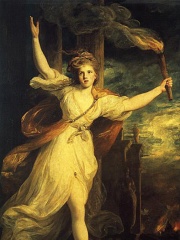
Thaïs
POLITICIAN
400 BC - 400 BC
HPI: 70.25
Rank: 6

Berossus
WRITER
400 BC - 300 BC
HPI: 70.12
Rank: 7
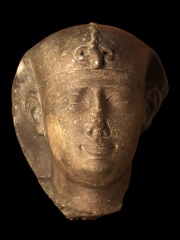
Nectanebo II
POLITICIAN
400 BC - 343 BC
HPI: 70.02
Rank: 8
Theopompus
HISTORIAN
400 BC - 320 BC
HPI: 69.44
Rank: 9
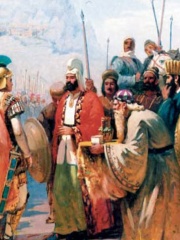
Atropates
POLITICIAN
400 BC - 360 BC
HPI: 69.37
Rank: 10
Ephorus
HISTORIAN
400 BC - 330 BC
HPI: 69.19
Rank: 11

Leochares
SCULPTOR
400 BC - 400 BC
HPI: 68.77
Rank: 12

Spitamenes
POLITICIAN
400 BC - 328 BC
HPI: 68.73
Rank: 13
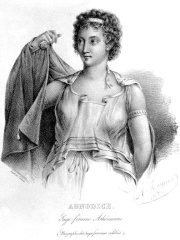
Agnodice
PHYSICIAN
400 BC - 360 BC
HPI: 68.41
Rank: 14
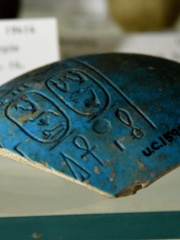
Teos of Egypt
POLITICIAN
400 BC - 400 BC
HPI: 67.41
Rank: 15
Others Deceased in 320 BC
Go to all RankingsTheopompus
HISTORIAN
400 BC - 320 BC
HPI: 69.44
Rank: 1
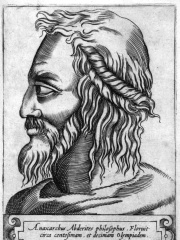
Anaxarchus
PHILOSOPHER
380 BC - 320 BC
HPI: 65.78
Rank: 2
Zoilus
PHILOSOPHER
400 BC - 320 BC
HPI: 64.73
Rank: 3

Anaximenes of Lampsacus
POLITICIAN
380 BC - 320 BC
HPI: 63.34
Rank: 4

Dinostratus
MATHEMATICIAN
390 BC - 320 BC
HPI: 58.29
Rank: 5
In Grèce
Among people born in Grèce, Theopompus ranks 207 out of NaN. Before him are Brasidas (-500), Callisthenes (-360), Gazi Husrev-beg (1480), Phoebe (50), Nicholas Kabasilas (1322), and Nearchus (-356). After him are Nicias (-500), Crates of Thebes (-365), Aelia Eudocia (401), Bacchylides (-490), Telamon (null), and Stilpo (-359).
Others born in Grèce
Go to all Rankings
Brasidas
POLITICIAN
500 BC - 422 BC
HPI: 69.63
Rank: 201
Callisthenes
HISTORIAN
360 BC - 327 BC
HPI: 69.54
Rank: 202

Gazi Husrev-beg
POLITICIAN
1480 - 1541
HPI: 69.49
Rank: 203
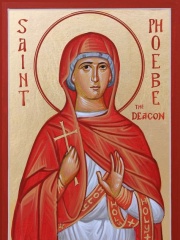
Phoebe
RELIGIOUS FIGURE
50 - 100
HPI: 69.48
Rank: 204
Nicholas Kabasilas
RELIGIOUS FIGURE
1322 - 1391
HPI: 69.48
Rank: 205
Nearchus
MILITARY PERSONNEL
356 BC - 300 BC
HPI: 69.47
Rank: 206
Theopompus
HISTORIAN
400 BC - 320 BC
HPI: 69.44
Rank: 207
Nicias
POLITICIAN
500 BC - 413 BC
HPI: 69.38
Rank: 208
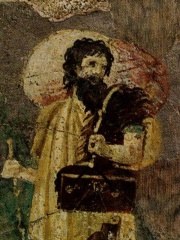
Crates of Thebes
PHILOSOPHER
365 BC - 285 BC
HPI: 69.38
Rank: 209
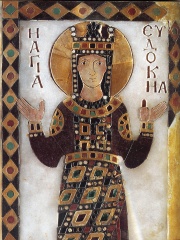
Aelia Eudocia
WRITER
401 - 460
HPI: 69.36
Rank: 210

Bacchylides
WRITER
490 BC - 451 BC
HPI: 69.29
Rank: 211
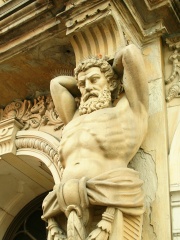
Telamon
POLITICIAN
HPI: 69.16
Rank: 212
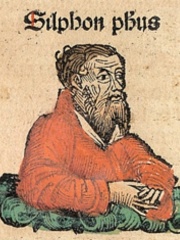
Stilpo
PHILOSOPHER
359 BC - 279 BC
HPI: 69.16
Rank: 213
Among Historiens In Grèce
Among historiens born in Grèce, Theopompus ranks 6. Before him are Thucydides (-460), Xenophon (-430), Polybius (-208), Quintus Curtius Rufus (41), and Callisthenes (-360). After him are Michael Glykas (1125), Afet İnan (1908), Krste Misirkov (1874), Philochorus (-340), Marsyas of Pella (-400), and Leo Allatius (1586).
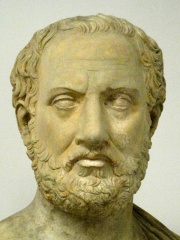
Thucydides
460 BC - 397 BC
HPI: 83.71
Rank: 1
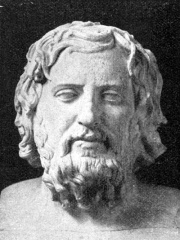
Xenophon
430 BC - 354 BC
HPI: 82.05
Rank: 2
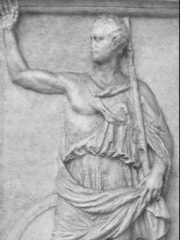
Polybius
208 BC - 126 BC
HPI: 77.83
Rank: 3
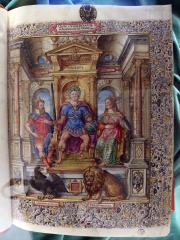
Quintus Curtius Rufus
41 - 53
HPI: 72.96
Rank: 4
Callisthenes
360 BC - 327 BC
HPI: 69.54
Rank: 5
Theopompus
400 BC - 320 BC
HPI: 69.44
Rank: 6

Michael Glykas
1125 - 1204
HPI: 64.91
Rank: 7
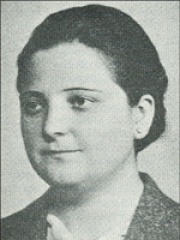
Afet İnan
1908 - 1985
HPI: 62.44
Rank: 8
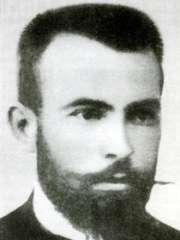
Krste Misirkov
1874 - 1926
HPI: 61.77
Rank: 9

Philochorus
340 BC - 260 BC
HPI: 60.65
Rank: 10

Marsyas of Pella
400 BC - 360 BC
HPI: 58.87
Rank: 11
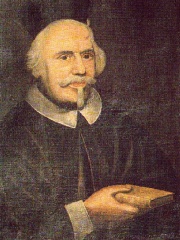
Leo Allatius
1586 - 1669
HPI: 57.12
Rank: 12